Boiler Heating Repair: A Practical Step-by-Step Guide
Step-by-step guidance for diagnosing and safely repairing common boiler heating issues. Learn troubleshooting, when to call a pro, and maintenance tips to extend boiler life.


This guide helps homeowners perform safe, informed boiler heating repair for common issues, from diagnosing leaks and strange noises to resetting pressure and testing safety controls. It emphasizes safety first, knowing when to DIY versus when to hire a licensed professional, and how to document the repair for future maintenance.
Understanding boiler heating repair: purpose, scope, and safety
Boiler heating repair encompasses diagnosing and fixing issues that prevent a residential boiler from delivering reliable heat. It covers mechanical parts (burners, pumps, valves), electrical controls, and safety components (low-water cutoffs, pressure relief valves, CO detectors). By understanding typical failure modes, homeowners can triage problems, prevent escalating damage, and decide when to escalate to a professional. This guide centers on safe practices and practical steps, recognizing that boiler heating repair can involve high pressure, heat, and hazardous gases if mishandled. It also helps caretakers document symptoms and interventions for future reference, which improves reliability and energy efficiency over time. Throughout, we reference general best practices without implying specific warranties or guarantees; always consult local codes and a licensed technician when in doubt.
In the context of boiler heating repair, the aim is to restore heat, maintain safe operation, and improve efficiency. The Boiler Hub team emphasizes that proactive maintenance often reduces downtime and extends the system’s life. Regular checks on combustions, venting, and circulation can prevent emergency calls and costly fixes. This section sets the stage for practical diagnostics and safe, small-step interventions you can perform to stabilize a malfunctioning boiler while you prepare for a more thorough service if needed.
Common boiler problems that trigger repairs and how to recognize them
Boilers fail for a variety of reasons, but some symptoms strongly indicate repair is needed. Common issues include: inconsistent heat output, banging or kettling noises, frequent pilot light outages or ignition failures, low or fluctuating boiler pressure, water leaks around valves or fittings, and an unusual odor or dense smoke near the boiler. Such symptoms often signal problems with ignition systems, heat exchangers, pump operation, or pressure safety devices. Observing temperature fluctuations and listening for abnormal sounds can help you narrow down the likely cause. Remember, some problems may stem from related plumbing or thermostat wiring, so a broader diagnostic approach can pay off. This section highlights typical repair-worthy signs and sets expectations for the steps that follow.
In many cases, addressing nuisance issues early—like minor leaks or sediment buildup—preserves efficiency and reduces the odds of a major breakdown. Boiler heating repair is often a balance between quick fixes that restore basic function and longer-term strategies that improve energy efficiency and safety.
Safety first: turning off power, gas, and isolating the boiler
Before any inspection, shut off the boiler’s power and, if applicable, the gas supply. Don’t attempt repairs when the system is hot or under pressure. Use the boiler’s manual to locate the power switch and the gas shutoff valve, then verify that the boiler has cooled and is depressurized. If you detect a gas smell, leave the area immediately and contact emergency services. Wearing protective gloves and eye protection is advised for any inspection. After powering down, keep a written log of symptoms and observed conditions. This disciplined approach reduces risk and supports accurate diagnostics during later steps.
The Boiler Hub team notes that safety is the foundation of any effective boiler heating repair plan. Proper isolation prevents accidental ignition, scalding, or gas exposure and ensures you can inspect components with reduced risk. Always confirm that the area is well-ventilated and free of clutter before beginning.
Note: If you must handle electrical connections or gas piping, err on the side of caution and seek professional assistance. Safety should never be compromised for the sake of speed.
Diagnosing the issue: tools, checks, and stepwise testing
Effective diagnosis combines visual inspection, measurement, and functional testing. Gather essential tools: a digital multimeter, a manometer or pressure gauge, a flashlight, a non-contact voltage tester, a screwdriver set, and the boiler’s service manual. Begin with exterior checks: look for signs of water leaks, corroded fittings, or discolored electrical components. Move to internal checks: verify ignition components, flame color, and burner operation if safe to access. Check pressure gauges for stable readings within the manufacturer’s specified range, and inspect safety devices like the low-water cutoff and high-limit switch. If panels need removal, note screw locations and avoid leaving exposed wiring.
Testing steps may include: verifying the thermostat signal, cycling the boiler on and off, inspecting venting for blockages, and confirming that circulation pumps move water effectively. When diagnosing, document every observation and correlate symptoms with potential fault sources. If a diagnostic result points to an internal component (such as the heat exchanger or a burned-out igniter), assess whether replacement parts are readily available and whether DIY replacement is within your skill set.
Important: Some diagnostics require specialized tools or knowledge. If you’re unsure about safe testing, stop and consult a professional. This approach minimizes mistakes and ensures any fixes address the root cause.
Step-by-step homeowner repair plan (where safe): replace or reseat components, clear obstructions, top up water, test run
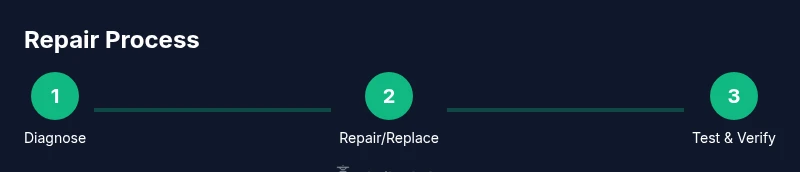
Step 1: Reset and verify basic operation. Power down, wait 60 seconds, then restore power to see if the issue resets. Step 2: Check and reseat electrical connections at the control board and thermostat terminals; loose wires are a common cause of intermittent heat. Step 3: Inspect and clean audible or visual indicators (igniter, flame sensor) if you can access them safely. Step 4: Clean or replace accessible filters and ensure air intake paths are clear of obstructions. Step 5: Check pressure and replenish if within the manufacturer’s recommended range; avoid overfilling. Step 6: Clear minor blockages from vents or condensate drains with proper tools, taking care not to damage components. Step 7: Reassemble panels, restore power, and monitor boiler behavior for a full heat cycle. Step 8: Document results and plan a professional service if symptoms persist.
Time estimates: 30-60 minutes for initial checks; 60-90 minutes for more involved inspections; 1-2 hours if parts need replacement.
Tip: Work methodically, testing after each action to isolate the effect of every adjustment. If a fix seems above your skill level, stop and contact a licensed technician for a safe and compliant solution.
When to call a professional: red flags and decision criteria
Some problems are best handled by licensed technicians. Call a pro if you notice gas smells, hissing or whistling sounds under pressure, persistent loss of heat despite safe DIY steps, or signs of carbon monoxide exposure (headache, dizziness, or chest tightness). Also seek expertise if the system leaks water that can’t be contained, if ignition is failing and the burner won’t light after multiple attempts, or if high-pressure readings exceed the safe range. A professional can perform a thorough combustion analysis, verify venting integrity, inspect heat exchangers for cracks, and recheck CO detector functionality. Even if you can perform minor repairs at home, schedule a formal service to ensure safety codes and manufacturer requirements are satisfied.
The Boiler Hub recommendation emphasizes timely escalation: small problems today can escalate into expensive, dangerous failures tomorrow. Professional service also provides documentation for warranty compliance and future maintenance scheduling.
Tip: If you’re unsure about the repair path, request a remote diagnosis first via a video call; many issues can be identified safely without an on-site visit.
Maintenance mindset: preventative care to reduce future boiler heating repairs
Prevention is more cost-effective than frequent repairs. Establish a maintenance routine that includes annual professional inspections, flushing and cleaning to remove sediment buildup, testing safety devices, and verifying thermostat performance. Regularly check for leaks around joints and valves, keep area around the boiler clean and unobstructed, and replace worn gaskets or seals as recommended by the manufacturer. Schedule seasonal checks to ensure the boiler is ready for winter demand. Improved efficiency from clean burners and calibrated controls translates to lower fuel costs and fewer repair events.
The Boiler Hub guidance here is practical: a proactive maintenance schedule reduces unscheduled downtime and extends equipment life. Maintain a log of all maintenance actions, part replacements, and observed performance trends so you can compare year over year and detect deteriorating performance early.
Energy efficiency considerations during boiler heating repair
During repairs, it’s wise to consider energy efficiency implications. Replacing older, less efficient components with newer, energy-saving alternatives can lower operating costs over the boiler’s life. Pay attention to burner alignment, ignition timing, and fuel-to-air ratio, as optimization can reduce fuel consumption and emissions. When components are replaced, ensure compatibility with your current system and confirm proper sealing and venting to prevent heat loss. If you’re considering upgrades, compare efficiency ratings (AFUE) and potential payback periods using reputable energy calculators. Always balance upfront costs with long-term savings and safety benefits.
Boiler heating repair is not just about restoring heat; it’s an opportunity to improve comfort, reduce energy waste, and ensure safe operation. Boiler Hub advocates for thoughtful decisions that align repair actions with long-term reliability.
Safety reminders and common mistakes to avoid
Never bypass safety controls or operate the boiler without CO detectors in working condition. Avoid opening combustion chambers or attempting to reseat burners unless you’re trained and equipped for such tasks. Do not mix old and new parts without verifying compatibility. Avoid over-shortcuts that skip steps—hasty repairs frequently lead to rework or hazardous situations. Always verify power is locked out and the gas supply is isolated when working on the boiler. Finally, if you’re unsure about any step, stop and consult a professional. Following proper procedure protects you, your home, and your occupants.
Recap and next steps: building a repair plan that works for you
To finish with confidence, summarize what you observed, what you attempted, and what remains unresolved. Create a repair plan that prioritizes safety, followed by small, testable fixes, and then a professional service if necessary. Schedule annual maintenance with a qualified technician, maintain a parts inventory for common needs, and keep a bathroom or utility room log so that future repairs can reference past issues and solutions. By adopting a methodical approach to boiler heating repair and maintenance, you can extend system life, improve reliability, and maintain warmth and comfort for the home.
Tools & Materials
- Digital multimeter(Measure voltage and continuity on control circuits)
- Manometer or pressure gauge(Check boiler operating pressure per manual)
- Screwdriver set (Phillips and flathead)(Access panels and control boards)
- Non-contact voltage tester(Verify live circuits before touching)
- Flashlight/headlamp(Illuminate dark compartments)
- Wrenches and pliers set(Tighten/loosen fittings safely)
- Consumption-safe gloves and eye protection(Personal protective equipment)
- Drain pan and towels(Catch leaks and spills)
- Manual for your boiler model(Model-specific specs and safety limits)
- Cleaning brushes and compressed air (optional)(Remove dust and debris from burners and vents)
Steps
Estimated time: 2-3 hours
- 1
Power down and isolate
Shut off the boiler power at the switch and, if applicable, close the gas valve. Wait 5-10 minutes for components to cool and depressurize before inspection.
Tip: Verify zero voltage with a tester before touching any wires. - 2
Inspect exterior for leaks
Look for signs of water around joints, valves, and the heat exchanger. Photograph any leaks for reference and note where they originate.
Tip: Leak signs often indicate worn seals or loose fittings rather than a failed component. - 3
Check pressure and water level
Using the pressure gauge, confirm the boiler pressure is within the manufacturer’s recommended range. Top up if necessary according to the manual, ensuring you don’t overfill.
Tip: Too-high pressure can cause safety relief valve activation; adjust gradually. - 4
Test ignition and flame
If safe to access, inspect the ignition system and flame color. A blue flame indicates proper combustion; yellow/orange can signal incomplete combustion or sooting.
Tip: Only perform this step if you’re trained and the area is well-ventilated. - 5
Clean accessible burners/air intakes
Clear dust and debris from burner slots and air intakes; ensure unobstructed air and vent paths for efficient combustion.
Tip: Use a soft brush or compressed air; avoid bending metal fins. - 6
Test run after reassembly
Reassemble panels, restore power, and observe the boiler through a full heating cycle. Listen for abnormal noises and confirm heating output.
Tip: If heat is inconsistent, recheck connections and verify safety devices reset correctly. - 7
Document results and plan next steps
Record what was tested, what fixed the issue, and what remains. Schedule professional service if symptoms persist or safety concerns arise.
Tip: Maintain a home maintenance log for future reference and warranty documentation.
Questions & Answers
What is the most common cause of boiler heating failure?
Many boiler failures originate from ignition problems, faulty sensors, or low water pressure. Start with checking the thermostat, ignition module, and pressure levels before pursuing more invasive repairs.
Most boiler failures come from ignition or pressure problems. Start with the thermostat, ignition module, and pressure first.
Can I repair a boiler leak myself?
Small hose or fitting leaks can sometimes be tightened or resealed by a confident DIYer with the right tools. Persistent or large leaks near the heat exchanger require professional repair due to safety and warranty concerns.
Tightening small leaks may be possible for some DIYers, but big leaks near the heat exchanger need a pro.
When should I replace a boiler versus repair it?
Repair is often cost-effective for minor issues on relatively new boilers. Replacement makes sense for aging systems with frequent failures or when energy efficiency upgrades offer a strong payback.
Repair is good for minor issues on newer boilers; replace older, inefficient systems if repairs become frequent.
Is carbon monoxide a risk with boilers?
Yes. A malfunctioning boiler can produce CO. Install CO detectors, ensure proper venting, and schedule annual inspections to prevent CO-related health risks.
Yes—CO risk exists if venting is blocked or in poor condition. Use detectors and have yearly inspections.
What maintenance can reduce future repairs?
Annual professional inspection, regular pressure checks, burner cleaning, and sediment flushing help maintain efficiency and prevent many common boiler problems.
Regular annual checks and basic cleaning keep your boiler reliable and efficient.
What safety steps should I take before DIY repairs?
Power down, isolate gas if present, ventilate the area, wear PPE, and avoid opening combustion chambers unless trained.
Shut off power and gas, ventilate, wear PPE, and only work on safe, accessible parts.
Watch Video
Key Points
- Begin with safety and isolation before any inspection.
- Most issues are diagnosed through systematic checks of controls, ignition, and pressure.
- DIY fixes are appropriate for simple, documented steps; complex problems require a licensed professional.
- Regular maintenance reduces future boiler heating repairs and increases efficiency.
- Keep detailed records for warranty, maintenance, and future troubleshooting.