Boiler Heater Repair: Step-by-Step Guide
Learn how to diagnose and safely repair common boiler heater issues. This step-by-step guide covers safety, tools, troubleshooting, and when to call a pro. Includes maintenance tips and authoritative sources for further reading.


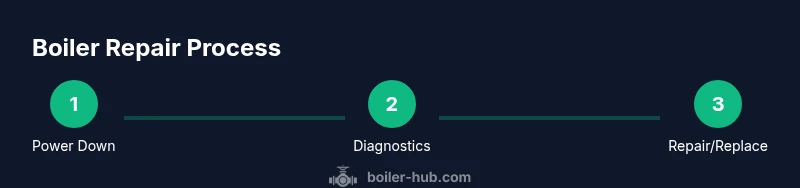
This guide helps you diagnose and safely troubleshoot common boiler heater issues and perform basic repairs with everyday tools. You’ll learn shutdown procedures, how to read error codes, and a clear, step-by-step repair workflow. Important: if you smell gas, hear a hiss, or see a CO alarm, stop immediately and contact a licensed professional.
What is boiler heater repair and when is it needed
Boiler heater repair refers to the diagnosis and correction of faults in residential or commercial boilers that supply hot water or steam for heating. Problems can range from simple thermostat glitches to more involved issues with the burner or heat exchanger. Prompt attention often prevents escalation to expensive parts or full replacement. According to Boiler Hub, many routine fixes begin with a safety check and a cautious diagnostic approach, especially for gas-fired systems. Homeowners should recognize common early signs like inconsistent heat, banging noises, fluctuating pressure, or unexplained rise in energy bills. When you identify any persistent odd behavior, you should start a controlled troubleshooting path and document symptoms to share with a technician if you need one.
In essence, boiler heater repair is about restoring safety, reliability, and efficiency to your heating system using methodical inspection and careful part replacement where appropriate.
Safety first: shutting down the system and secure working conditions
This section emphasizes safe handling before any work on a boiler. Always shut off power at the boiler and the corresponding breaker, and if you have a gas boiler, close the gas valve and ensure proper ventilation. CO detectors should be tested, and a clear path to fresh air must be maintained. Never attempt repairs if you detect strong gas odors, hissing sounds, or CO alarms. Keep a fire extinguisher nearby and wear protective gloves and eye protection. Comply with local codes and manufacturer instructions to reduce the risk of injury or carbon monoxide exposure. Boiler Hub’s safety guidance underscores working only when conditions are calm and well-lit.
Finally, document your steps and know your emergency exit routes; if you’re unsure, stop and consult a professional.
Understanding boiler components and common failure modes
A typical boiler contains the burner or electric heating element, heat exchanger, circulating pump, expansion tank, pressure relief valve, and thermostat or control board. Failures often involve ignition problems, defective sensors, pump failures, or circulating water blockages. Leaks at joints or the pressure relief valve can also cause hard shutdowns, while mineral build-up reduces efficiency. By familiarizing yourself with these components, you can spot whether a fault is likely electrical, mechanical, or a control issue. The goal of repair isn’t just to fix heat; it’s to restore safe operation and correct water chemistry when relevant to prevent scale and corrosion.
Make a simple visual check first, then move to system diagnostics as outlined later.
Diagnostic approach: DIY vs. professional intervention
Start with basic, low-risk checks such as thermostat calibration, circuit breaker status, and water pressure. If you discover gas-related issues, electrical faults beyond a reset, or signs of a gas leak, call a licensed technician immediately. For non-critical symptoms like intermittent firing, strange noises, or pressure fluctuations, you may proceed with guided troubleshooting and selective component tests. Always prioritize safety and avoid disassembly of sealed chambers or high-pressure sections without training. Boiler Hub advises homeowners to keep a diagnostic log and to defer advanced repairs when specialized tools or gas work are involved.
This section helps you determine whether a repair is within reach or if professional service is a safer and more cost-effective path.
Tools, parts, and common repair scenarios
Typical repairs involve replacing a faulty thermostat, igniter, flame sensor, pressure relief valve, or pump seal. You may also need to address leaks around fittings or expand the expansion tank if the system shows persistent high or low pressure. Stock up on common tools: a multimeter, adjustable wrenches, screwdrivers, and a flashlight. For gas boilers, many repairs require professional gas certifications and code-compliant venting checks. Always consult the manual for part compatibility and torque specs before ordering replacements. Routine service can dramatically extend boiler life, especially in hard water areas where mineral buildup is a chronic problem.
Maintenance practices to prevent future failures
Preventive maintenance is cheaper than emergency repairs. Schedule annual inspections, replace filters, and flush the system to reduce mineral deposits. Check pressure gauges regularly and verify the expansion tank is functioning properly to avoid pressure issues. Test the low-water cutoff and safety devices to ensure protections are working. Keep the surrounding area clean and accessible, which makes future inspections faster and safer. Boiler Hub’s maintenance recommendations emphasize consistency and documentation, which aid both reliability and resale value.
Tools & Materials
- Multimeter(For voltage and resistance checks on controls)
- Adjustable wrenches(Use for valve fittings and unions)
- Screwdrivers (Phillips and flat-head)(For panel screws and terminals)
- Non-contact voltage tester(Optional safety check for live circuits)
- Pipe wrench or pliers(For pipe fittings on gas or water lines)
- Torque wrench or manufacturer torque specs(Critical for pressure relief valve and flanged joints)
- Towel, bucket, rags(Contain spills and protect areas)
- Gloves and eye protection(Personal protection)
- Owner’s manual for boiler model(Model-specific instructions and parts)
- Digital manometer or water pressure gauge(Check system pressure accurately)
- Leak detection solution (soap water)(Locate minor leaks around joints)
Steps
Estimated time: 60-90 minutes
- 1
Shut down power and gas safely
Power off the boiler at the wall switch and switch off the circuit breaker. If you have a gas boiler, close the gas supply valve and ventilate the area. Confirm there is no ignition source nearby and allow components to cool before touching any parts.
Tip: Always verify there is no voltage present with a multimeter before touching wires. - 2
Verify system is depressurized and cooled
Open a high-vent valve or drain a small amount of water to ensure there is no pressure. Wait 10-15 minutes for components to cool if you have recently run the boiler. This reduces burn risk when inspecting heat exchangers and fittings.
Tip: Do not depressurize if you’re unsure about the water temperature; overheating can cause scalding. - 3
Check error codes and reset controls
Read any diagnostic codes displayed by the control board or thermostat. Consult the user manual to interpret codes. If a safe reset is recommended, perform it and test again before proceeding with parts inspection.
Tip: Document codes and any LED blink patterns to help with later technician visits. - 4
Inspect controls, flame sensor, and ignition
Examine the thermostat, relay, and flame sensor for soot buildup or misalignment. Clean flame sensors with a soft cloth; if ignition is weak or intermittent, consider replacing the sensor or cleaning the burner assembly following the manual.
Tip: Avoid touching the flame area while it is warm; use a blower to help clear dust without forcing debris into the burner. - 5
Check pressure, expansion tank, and leaks
Read the boiler pressure using the built-in gauge. If pressure is outside the recommended range, adjust per manual instructions. Inspect for leaks at joints, valves, and around the expansion tank; note any damp spots and address promptly.
Tip: Record the pressure range on your boiler’s label and aim to stay within that band after adjustments. - 6
Bleed air and test operation
For hot-water systems, bleed air from radiators to improve circulation. Refill the system with water to restore proper pressure and resume the heat cycle. Observe operation for 10-15 minutes, listening for odd noises and checking for stable heat output.
Tip: If cold spots persist after bleeding, there may be a circulation issue or pump fault that a pro should assess. - 7
Decision point: repair or call a professional
If tests indicate electrical faults, gas-related concerns, or uncertain parts, stop and seek professional service. Complex repairs may require certification and specialized tools. For safe operation and code compliance, rely on a licensed technician for critical components.
Tip: When in doubt, don’t push ahead; professional help can prevent dangerous consequences.
Questions & Answers
Is it safe to attempt boiler heater repair myself if I’m not a professional?
Basic maintenance and minor checks can be safe for capable homeowners, but work involving gas, electrical components, or sealed combustion should be handled by a licensed professional. Always consult the boiler manual and local codes before proceeding.
DIY safe for basic checks, but avoid gas or electrical repairs—call a pro if unsure.
What are the most common causes of boiler failure?
Common causes include ignition problems, thermostat or control failures, circulating pump faults, leaks, and mineral buildup from hard water. Identifying the root cause helps determine whether a repair is cost-effective or a replacement is wiser.
Ignition failures, faulty controls, pump problems, leaks, and mineral buildup are typical culprits.
How often should I service my boiler?
Most boilers benefit from an annual professional inspection and service. Regular maintenance improves efficiency, reduces breakdowns, and extends the unit’s lifespan. Always follow the manufacturer’s recommendations.
Annual professional servicing is generally recommended.
When should I replace instead of repair a boiler?
If repairs exceed a significant fraction of the boiler’s replacement cost or the unit is over its expected life, replacement is often the more economical option. Consider efficiency gains with newer models as well.
If repairs cost more than half the replacement or the boiler is old, replacement may be best.
What signs indicate a gas leak or CO risk?
Unusual hissing sounds, strong gas odor, or a CO detector alarm require immediate evacuation and calling emergency services. Do not operate the boiler until a qualified technician confirms it is safe.
If you smell gas or CO alarm sounds, evacuate and call emergency services.
Can hard water damage a boiler?
Yes. Mineral buildup from hard water reduces heat transfer and efficiency. Regular flushing and the use of water treatment can help minimize scale formation.
Hard water can cause mineral buildup; regular flushing helps.
Watch Video
Key Points
- Power down safely before any work
- Know your boiler’s pressure and safety valves
- Differentiate DIY fixes from professional needs
- Document codes and symptoms for accuracy
- Maintain regular servicing to prevent failures