Boiler Repair and Service: A Practical How-To
A practical, step-by-step guide to boiler repair and service. Learn safety checks, common issues, DIY maintenance, and when to call a pro to keep your system efficient and reliable.


Step 1: Verify safety and power shutoff before touching the boiler. Step 2: Diagnose common issues like loss of heat, strange noises, or cycling. Step 3: Decide between DIY-safe maintenance and calling a pro based on risk and code requirements. Step 4: Perform essential maintenance such as cleaning accessible parts and checking pressure, then schedule a professional service if issues persist.
Why boiler repair and service matter for safety and reliability
Regular boiler repair and service protect your home from unexpected outages and help maintain energy efficiency. A well-maintained boiler heats your spaces reliably and reduces wasted fuel. A proactive approach lowers the risk of dangerous failures and extends equipment life when performed by qualified technicians. Homeowners and facility managers should view maintenance as a preventative investment, not an afterthought. In the long term, routine checks catch small problems before they become expensive repairs, ensuring comfort and safety during cold months. According to Boiler Hub, proactive service also supports proper gas safety and venting, reducing carbon monoxide risk. A clear service history can strengthen warranty validity and aid insurance claims after incidents. Scheduling service within the boiler’s recommended cycle helps create predictable maintenance and fewer emergency calls.
How boilers work: a quick refresher
A typical residential boiler heats water or produces steam to distribute warmth via radiators or underfloor coils. Core components include the burner, heat exchanger, circulator pump, pressure vessel, and safety devices. When the thermostat calls for heat, the burner ignites, transferring energy through the heat exchanger to the water. The circulator then moves this warm water through the system. Regular service checks calibration, seals, and venting to maintain efficient combustion and prevent condensate or soot buildup that can reduce performance and shorten boiler life. Understanding these basics helps homeowners recognize when something is off and when professional intervention is warranted.
Safety first: essential precautions before you start
Before touching any boiler components, power down and lock out electrical circuits, shut off the gas supply, and ventilate the area if you detect gas odors. Wear PPE: protective gloves and safety glasses. Keep a clear workspace and never bypass safety devices or pressure relief valves. If you’re uncertain about any step, stop and contact a licensed technician. Do not attempt gas valve or burner adjustments if you’re not trained and certified. Proper safety measures protect you, others in the building, and the boiler system.
Common issues and early warning signs
Common problems include loss of heat, inconsistent temperatures, unusual banging or hissing sounds, and visible leaks around pipes or valves. Low pressure can indicate a leak or sensor fault, while frequent cycling wastes energy and increases wear. Soot and yellowish flames signal incomplete combustion that requires professional inspection. Recognize symptoms early to prevent further damage and to protect occupants from potential gas safety concerns. Identifying issues early also helps you document concerns for technicians and warranty records.
DIY maintenance you can perform safely
You can safely perform tasks within your comfort zone, such as clearing debris around the boiler, visually inspecting for corrosion, and testing basic thermostat responses. Clean exterior surfaces with a damp cloth and ensure condensate traps are free of obstruction. Check that radiator bleed valves are not dripping and that air is purging correctly from radiators. Do not attempt gas line work or burner adjustments without training or authorization. Always consult the manual before performing any action beyond basic exterior care.
When to call a professional and what to expect
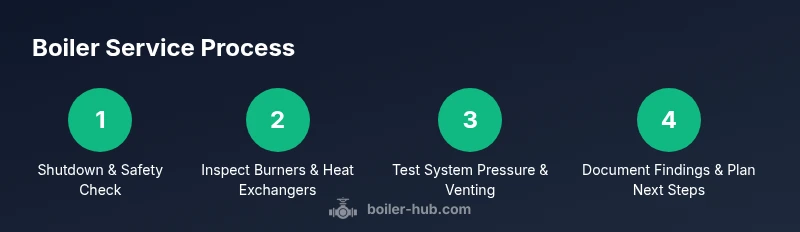
If you notice persistent leaks, significant pressure changes, gas smells, or abnormal flame color, contact a licensed boiler technician immediately. A professional will perform a combustion analysis, verify venting, inspect safety devices, and run post-service tests to confirm safe operation. Expect a detailed written report, a parts checklist, and recommendations for follow-up maintenance. Fees vary by region and service scope, and a professional visit often includes documentation for warranty or insurance.
How to prep for a service appointment
Gather the boiler’s model number, recent service history, and any error codes seen on the display. Prepare access to the mechanical room, minimize other activities in the area, and note any symptoms you’ve observed. Ask the technician to explain findings in plain terms and request a printed maintenance checklist for your records. Confirm warranty considerations and parts compatibility beforehand to avoid surprises.
Building a preventive maintenance plan
Create a simple schedule that includes annual professional service, quarterly visual checks, and prompt action on small issues. Keep a log of what was inspected, parts replaced, and any readings such as pressure or temperature. Consider a remote monitoring option if your system supports it. A practical plan reduces downtime, extends life, and helps you budget for future replacements or upgrades when needed.
Cost considerations and warranties: what to know
Prices for boiler service vary by location and service scope, but you should expect a transparent estimate that covers inspection, safety checks, and routine cleaning. Verify what is included and whether diagnostic charges apply. Many warranties require regular service by qualified technicians to remain valid, so keep receipts and service reports. Understanding these factors helps you plan and protect your investment.
Tools & Materials
- Owner's manual for your boiler(Model-specific maintenance section)
- Gas leak detector(Check connections and venting for leaks)
- Digital multimeter(Voltage and resistance checks where applicable)
- Screwdriver set (Phillips and flat-head)(Assorted sizes for panels and covers)
- Wrench open-end set(For fittings and valves)
- Personal protective equipment (gloves, safety glasses)(Always wear PPE)
- Flashlight or headlamp(Illumination for tight spaces)
- Torque wrench (optional)(For precise fittings when needed)
Steps
Estimated time: 60-90 minutes
- 1
Shut off power and gas and verify safety
Power down the boiler and main electrical supply. Close the gas valve and verify there are no gas odors before you begin any inspection. This prevents electrical shocks and gas-ignition hazards while you work.
Tip: Always use a non-contact tester to confirm no live circuits before touching components. - 2
Inspect exterior and venting
Check the boiler cabinet for signs of damage, corrosion, or soot buildup. Inspect vent pipes for obstructions and proper termination to ensure safe exhaust.
Tip: Look for any soot around the burner area as a sign of incomplete combustion. - 3
Check pressure and water level
Read the pressure gauge when the system is cold. Compare with the manufacturer’s specification. Low or high pressure can indicate leaks or improper filling.
Tip: Do not adjust pressure beyond the manual’s recommended range without guidance. - 4
Test thermostat and controls
Set the thermostat to demand heat and observe burner ignition. Verify safety controls engage when limits are reached and that higher demand produces steady heat.
Tip: If the thermostat is slow to respond, consider calibrating or replacing sensors with a pro. - 5
Clean accessible components
Wipe exterior surfaces and gently brush burners or heat exchanger access points. Clear any debris around the condensate drain and trap to prevent blockages.
Tip: Avoid strong cleaners; use a soft brush to prevent damage to delicate parts. - 6
Run a test cycle and document results
Refill or repressurize as needed, then run a full heat cycle. Record pressure, temperature, and any unusual readings. Note whether heat distribution is even.
Tip: Keep a simple checklist for future reference and warranty records.
Questions & Answers
Is DIY boiler maintenance safe for homeowners?
Basic exterior checks and cleaning are safer DIY tasks, but gas lines, burners, and venting require a licensed professional. Always follow the boiler manual and local codes.
DIY safe for simple exterior checks, but avoid gas and burner work. When in doubt, call a pro.
How often should a boiler be serviced?
Most boilers benefit from an annual professional service to maintain safety and efficiency. Check your manufacturer’s recommendations and local regulations.
Annual service is typically recommended, but verify with your manual and local rules.
What are signs my boiler needs repair?
Signs include heat loss, odd noises, leaks, low pressure, and uneven heat. Gas smells or flame discoloration require immediate professional attention.
Look for heat loss, leaks, or strange noises; gas smells need urgent help.
What happens during a boiler service?
A technician inspects safety devices, tests combustion, checks pressure and venting, cleans accessible parts, and provides a report with recommendations.
A professional checks safety, efficiency, and overall function, then explains findings.
Can a failing boiler pose safety risks?
Yes. Gas leaks or improper venting can create carbon monoxide risks. If you suspect a problem, shut off the boiler and contact a licensed pro immediately.
Gas leaks or venting problems can be dangerous; get professional help fast.
How long does boiler repair take?
Most repairs take a few hours, but complex fixes or part replacements may require additional time. The technician will estimate after diagnosis.
Most repairs are a few hours; complex issues may take longer.
Watch Video
Key Points
- Schedule annual maintenance for safety and efficiency.
- Always shut off power and gas before work begins.
- Know when to call a professional for complex issues.
- Keep a maintenance log and post-service checks.
- Proper venting and combustion checks prevent hazards.