Utica Boiler Repair: A Practical Step-by-Step Guide
Learn safe Utica boiler repair with a practical, step-by-step guide. Diagnose issues, perform basic fixes, and understand maintenance to restore heat while avoiding common mistakes.


This guide helps homeowners perform safe, basic Utica boiler repair, diagnose common faults, and decide when to call a professional. You’ll learn essential safety checks, practical troubleshooting steps, maintenance routines, and cost considerations to restore heat efficiently. By following these steps, you can handle many routine issues and know when a licensed technician is required for Utica boiler repair.
What Utica Boiler Repair Involves
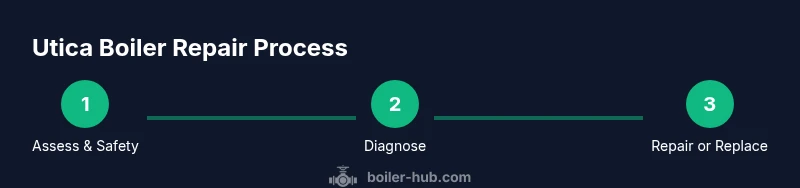
Utica boilers are a common heating solution in many homes and small facilities. A typical Utica boiler repair involves verifying safe operation, checking gas supply, confirming electrical power, testing controls, and inspecting vital components like the heat exchanger and burner. This guide emphasizes safety first and frames the process around documented best practices. According to Boiler Hub, proper Utica boiler repair begins with thorough safety checks and identifying common failure points. By following a structured diagnostic approach, homeowners can handle many routine faults and know when to call a licensed professional. The goal is to restore reliable heat while minimizing risk of gas leaks or carbon monoxide exposure. A careful assessment also helps you decide whether a repair is cost-effective or if replacement should be considered.
Common Problems Signal Utica Boiler Repair is Needed
Common issues include fluctuating temperature, no heat, strange banging noises, misfiring burners, and frequent cycling. Leaking or rust around shutoff valves is another signal of potential problems. In these cases, start with simple checks such as ensuring the thermostat is set correctly and that the boiler has adequate water pressure. If symptoms persist, consult a professional. Boiler Hub Analysis, 2026 notes that routine maintenance reduces unexpected outages, reinforcing the value of early diagnosis. Homeowners should also watch for error codes on the control panel, which often point to specific components like ignition, flame sensing, or pressure regulation.
Safety First: Gas, Carbon Monoxide, and Venting
Gas-fired boilers pose serious risks of asphyxiation and carbon monoxide poisoning if venting is blocked or safety devices fail. Never bypass the pressure relief valve or gas controls. Install and maintain working carbon monoxide detectors, ventilate the area if you smell gas, and shut off the boiler using the proper shutoff switch if you suspect a leak. Regular inspection by a licensed professional remains essential to keep your Utica boiler operating safely. If you’re running older equipment, consider adding a CO detector near the boiler room as a preventative measure.
Diagnostic Approach: How to Identify Root Causes
Start with a structured checklist: check thermostat settings, inspect the ignition sequence, verify water pressure, and inspect for error codes on the control board. Use a multimeter to test low-voltage circuits, and a manometer or gas valve tester for gas pressure in safe conditions. Document observed symptoms, track the sequence of events leading to the fault, and compare with Utica boiler manuals. This systematic method reduces unnecessary part swaps and speeds up resolution.
DIY Fixes You Can Try Safely
For basic, non-hazardous tasks you can perform: adjust thermostat, reset the boiler following the manual, bleed radiators to relieve air, and replace a dirty flame sensor if accessible. Do not attempt internal gas valve work or disassemble sealed assemblies. If you smell gas or encounter error codes indicating ignition or flame problems, shut down the unit and call a licensed technician immediately. Remember to wear PPE and work in a well-ventilated area.
When to Call a Pro: Codes, Warnings, and Permits
If you encounter persistent ignition failures, gas pressure anomalies, or CO detector alerts, contact a licensed boiler technician. Many repairs require gas piping, venting adjustments, or control-board replacement that should be handled by a pro. Depending on your location, permits or inspections may apply for significant repairs or replacement. A professional can perform a comprehensive safety check, calibrate controls, and verify venting integrity to prevent future issues.
How to Choose the Right Utica Boiler Repair Technician
Look for technicians with experience repairing Utica boilers and proper licensing. Check reviews, ask for references, and verify insurance and warranty terms. Request a clear written estimate that itemizes labor and parts, and confirm that the technician will test safety devices after the repair. Boilermakers and HVAC professionals from reputable companies often provide preventative maintenance plans that extend boiler life and improve efficiency.
Maintenance Tips to Extend Life and Reliability
Schedule seasonal tune-ups, replace worn gaskets, and flush the system to remove sediment. Regularly check the expansion tank, pressure relief valve, and water pressure gauge. Keep the area around the boiler clean and free of clutter to improve venting and safety. Following a routine maintenance plan reduces the risk of costly Utica boiler repair and improves overall efficiency.
Cost Considerations for Utica Boiler Repair
Repair costs depend on the fault, parts availability, and labor rates. Typical ranges for common issues fall between a few hundred and several thousand dollars depending on complexity and whether replacement parts are needed. Staying on top of maintenance can lower the likelihood of expensive, emergency repairs and extend boiler life. Note: prices vary by region and contractor.
Tools & Materials
- Digital multimeter(Test electrical circuits and control boards)
- Non-contact voltage tester(Verify power is off before touching wires)
- Adjustable wrench set(Common sizes for fittings and valves)
- Screwdrivers (Phillips + flat-head)(General disassembly tasks)
- Gas leak detector solution (soapy water)(Identify leaks around joints safely)
- Safety gear (gloves, goggles)(Personal protection)
- Flashlight(Illuminates dim boiler compartments)
- Owner’s manual for your Utica boiler(Refer to model-specific guidance)
- Leak detection device (optional)(Detect lingering gas traces)
Steps
Estimated time: 45-90 minutes
- 1
Power down and verify safety
Shut off the boiler at the wall switch and, if applicable, the service panel. Confirm no gas smell and that the area is well-ventilated. If you detect a gas odor, evacuate and call the gas company or emergency services immediately.
Tip: Double-check that the main power is off and verify the breaker is not supplying any power to the boiler before touching any components. - 2
Check thermostat and boiler switch
Make sure the thermostat is set to heat and the unit is in the correct mode. If the thermostat is wireless, ensure the receiver is responsive. A mis-set thermostat often causes heating issues.
Tip: Replace batteries if needed and calibrate the thermostat according to its manual. - 3
Inspect water pressure and gauge
Locate the pressure gauge; typical residential boilers run around 12-15 psi when idle. If pressure is too low or too high, follow the manual’s steps to adjust or add water using the filling loop.
Tip: Do not overfill; small increments are safer and easier to back out. - 4
Test ignition sequence and safety devices
For gas boilers, observe whether the ignition sequence occurs and flame stays lit. If you see flame failure, check the flame sensor and igniter connections (only if accessible and safe).
Tip: If ignition is erratic, do not force further attempts—call a professional. - 5
Bleed radiators and remove air
Bleed radiators to remove trapped air that can impede heating performance. Use a radiator key or screwdriver on the bleed valve until a steady stream of water comes out.
Tip: Keep a cloth handy to catch any spurts of water and avoid scalding. - 6
Document symptoms and plan next steps
Note any error codes, sounds, or leaks and compare with the Utica boiler manual. If issues persist after basic steps, schedule a professional inspection with a clear list of observed problems.
Tip: Take photos of the control board and gauges for reference.
Questions & Answers
What are the most common signs that an Utica boiler needs repair?
Look for inconsistent heat, banging noises, frequent cycling, leaks around valves, or a pilot light that won’t stay lit. These symptoms often indicate ignition, gas valve, or pressure issues that require diagnosis.
Watch for heat loss, odd noises, leaks, or a pilot light that won’t stay lit; these are common repair signals.
Is it safe to attempt Utica boiler repair myself?
Only safe, basic maintenance tasks should be attempted by non-professionals. Gas, combustion, and high-voltage components pose serious risks, so consult a licensed technician for anything beyond routine checks.
DIY is only for simple checks; for gas or electrical work, call a professional.
How long does a typical Utica boiler repair take?
Repair duration varies with fault complexity. Minor fixes can take a few hours; more involved issues may require a follow-up visit or part replacements.
It depends on the problem; simple fixes are quicker, complex repairs take longer.
What factors influence the cost of Utica boiler repair?
Costs depend on fault type, parts availability, labor rates, and whether venting or gas piping work is needed. Obtaining a written estimate helps compare options.
Costs hinge on the fault, required parts, and labor; always get an itemized quote.
When should Utica boiler be replaced rather than repaired?
If failures become frequent, the boiler is old, or repair costs approach the replacement cost, replacement is generally more economical and reliable long-term.
If repairs happen often or the unit is aging, replacement is usually wiser.
What safety steps should I take before starting any repair?
Shut off power and gas, ventilate the area, and ensure CO detectors are functioning. If you smell gas or CO alarms, evacuate and call emergency services.
Power off, ventilate, check detectors, and call for help if gas or CO is detected.
Watch Video
Key Points
- Prioritize safety and power down before any work
- Diagnose with a structured checklist and reference manuals
- Know when to call a licensed pro for complex issues
- Maintain a regular tune-up schedule to extend boiler life