Fix Boiler Leak: A Comprehensive Step-By-Step Home Guide
Learn how to fix a boiler leak safely with a practical, step-by-step approach from Boiler Hub. Explore causes, safety checks, tools, and when to call a pro for lasting peace of mind.


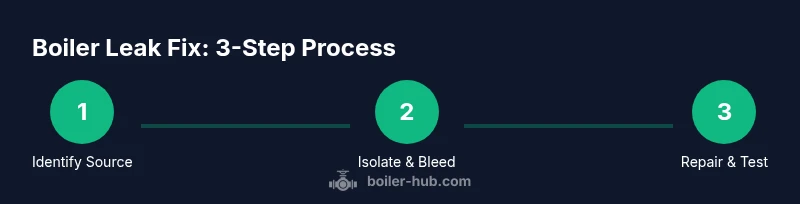
You will learn how to locate and fix a boiler leak safely, including turning off power, isolating water, identifying the leak source, and deciding between DIY repair or professional service. This guide covers safety steps, tools, and when to call a pro. We’ll outline precautions, common leak points, and step-by-step procedures that minimize risk to you and your home.
Understanding Boiler Leaks: Causes and Risks
Boiler leaks are not just a nuisance; they can damage floors, promote mold, and reduce heating efficiency. According to Boiler Hub, most residential leaks stem from aging seals, corrosion at joints, or failing gaskets in valves and fittings. Leaks may appear as steady drips, pinhole streams, or moisture around the boiler cabinet. Understanding where leaks originate helps you decide whether you can address the issue safely or if professional service is required. Common hotspots include the pressure relief valve, boiler drain valve, pump seals, and heat exchanger joints. Even small drips should be assessed, because they can escalate quickly, especially in older systems or boilers with hard water. By recognizing patterns—constant dampness after a heating cycle, or a sudden wet area after maintenance—you’ll be better prepared to act promptly and protect home structure.
Safety First: Immediate Actions You Should Take
If you notice a leak, shut down the boiler following the manufacturer’s instructions and cut power at the circuit breaker to prevent electrical shock. If your unit is gas-powered, DO NOT switch off the gas supply yourself unless you are certain you can do so safely. Place a bucket under the drip, lay towels, and keep children and pets away from the area. Do not attempt to seal a leak while the boiler is hot; wait for it to cool and wear goggles and gloves. If the leak involves steam or scorchingly hot water, evacuate to a safe distance and call emergency services if needed. After shutting down, relieve pressure if you know how, using the appropriate valve per your boiler model. Note any warning lights on the control panel; this can help a technician diagnose the problem later. Documenting the exact location of the leak helps technicians isolate the cause quickly.
Diagnostic Checklist: Where the Leak Is Coming From
Inspect typical leak sources: - Pressure relief valve: Leaks around the PRV are common; this may signal overpressure or a faulty relief valve. Check if the valve drips after a heat cycle. - Boiler drain valve: A loose or corroded drain valve will leak near the base of the boiler. - Pipe joints and fittings: Leaks often occur at threaded joints; tighten only if you know what you’re doing. - Pump and gasket seals: Leaks at the pump shaft or gasket can indicate wear. - Heat exchanger connections: Pinhole leaks on heat exchangers are a sign of aging metal and may require specialized repair. - Condensate line: Blocked lines can cause condensation leaks near piping. If you observe a wet area on the floor around the boiler or pooling water, trace back along the pipes to see where the moisture comes from. Use a dry cloth to wipe up moisture and inspect again after a few hours.
Tools, Materials, and Prep
Before you begin, gather essential tools and safety gear. A well-prepared workspace reduces the risk of slips and mistakes. Have a bucket to catch drips, towels for cleanup, gloves and safety goggles, and a flashlight to inspect joints. Keep a notebook or phone handy to document the leak location and any changes during the inspection. Use manufacturer-approved parts when a replacement is necessary, and avoid makeshift fixes that can worsen the problem or void warranties. If you’re unsure about any step, pause and consult the boiler’s manual or reach out to a licensed technician.
Step-By-Step Repair Process: Non-Professional Repairs
Many small leaks can be addressed safely if you are comfortable with basic hand tools and the boiler is not a gas-fired system. Start with mild, equipment-appropriate fixes like tightening a loose valve or replacing a worn gasket. Do not force parts or apply hacks that could damage the boiler or void warranties. Always defer to the manufacturer’s guidance for any seals, gaskets, or sealants. If a leak is coming from a heat exchanger, or if the system pressure remains high after a basic fix, stop and call a professional. The goal is to stop the leak without compromising safety or system integrity, then monitor for continued moisture or changes in pressure after re-pressurizing and bleeding the lines.
When to Call a Professional
If the leak is persistent after a DIY adjustment, if the pressure relief valve continues to drip, or if you notice corrosion or cracking near gas lines, contact a licensed boiler technician immediately. Gas boilers carry additional hazards, including the risk of gas leaks or carbon monoxide; do not attempt repairs beyond basic shutoff and safe inspection. A pro can perform a pressure test, inspect the heat exchanger, verify safety devices, and replace worn parts with OEM components. If your boiler is under warranty, review the terms, because many warranties require professional service after a leak to remain valid.
Maintenance to Prevent Future Leaks
Prevention is better than repair. Schedule annual professional inspections, especially for older systems. Regularly test pressure relief valves, replace worn gaskets, and ensure the expansion tank is functioning correctly. Water treatment and softening can reduce corrosion and mineral buildup that contribute to leaks. Keep the area around the boiler clear of clutter, and address any weeping or damp spots promptly to avoid mold and structural damage. A proactive approach saves money and extends boiler life.
Cost Considerations and Warranties
Repair costs vary based on leak location, boiler type, and whether parts need replacement. In general, small fixes cost far less than major component replacement, but labor can add up quickly for older units. If the leak is due to a failed heat exchanger or a corroded component, replacement may be more cost-effective in the long term. Always check warranty terms; some warranties cover certain leaks or component failures, while others require proof of professional service for eligibility. A qualified technician can provide a detailed estimate after diagnosing the exact cause.
Quick Troubleshooting and Safe Reminders
If the leak is minor and localized, you can monitor it after a safe shutoff and re-pressurization. Keep a log of pressures and temperatures before and after any intervention. If you have any doubts—especially with gas boilers—stop and call a professional. Always ventilate the space if you suspect a gas build-up and avoid using electrical devices near the boiler during a leak.
Tools & Materials
- Wrench set (adjustable)(To tighten fittings and clamps)
- Non-shedding thread sealant or PTFE tape(For threaded joints)
- Replacement gaskets/seals(Match manufacturer specs where possible)
- Bucket or catch pan(Catch drips during repair)
- Rags or absorbent towels(Clean up spills and keep area dry)
- Safety goggles and gloves(Personal protective gear)
- Leak dye (optional)(For locating hard-to-see leaks)
- Flashlight or headlamp(Inspect dark corners and joints)
- Manual for the boiler model(Follow model-specific guidance)
Steps
Estimated time: 60-120 minutes
- 1
Power down and isolate power and water
Shut off the boiler at the circuit breaker and close the cold water supply valve if equipped. This prevents electrical shock and reduces system pressure. If there is any doubt about wiring, turn off power first and proceed only if you are comfortable with basic electrical safety.
Tip: Label switch positions and valves so you can restore to the original state. - 2
Relieve pressure safely
Carefully relieve pressure using the boiler's pressure-relief valve or the fill/bleed valve for your model. Do this slowly to avoid a sudden burst of steam or hot water. Have the bucket ready to catch any liquid.
Tip: If you hear hissing, stop and wait for the system to cool before proceeding. - 3
Locate the leak source
Visually inspect common hotspots: PRV, drain valve, pipe joints, pump seals, and heat exchanger connections. Use a flashlight to examine dark corners and run the system briefly if safe to observe fresh drips.
Tip: Mark the suspected area with painter’s tape for reference during repair. - 4
Prepare the area and gather parts
Place a bucket under the suspected joint, lay towels to absorb any moisture, and gather the appropriate replacement gasket or seal. Ensure you have the correct size and type for the specific valve or joint.
Tip: Inspect replacement parts against the boiler’s part number before installing. - 5
Tighten or replace simple components
If a fitting is loose, tighten gently with a wrench. If the gasket or seal is worn, replace it with a matching part. Re-apply thread sealant or PTFE tape only where approved by the manufacturer.
Tip: Do not overtighten; over-torquing can crack fittings and worsen leaks. - 6
Repressurize and bleed air
Slowly restore system pressure per the manual. If air is trapped, bleed the radiators or use the boiler’s bleed valve to remove air pockets until water appears steady at the outlets.
Tip: Keep a damp cloth handy to wipe away any drips while bleeding. - 7
Test for leaks after repair
With the system running, observe the patched area for several minutes. Check surrounding joints and valves. If moisture returns, recheck the components or consider moving to a professional assessment.
Tip: Take photos of the repaired area and note the time and system pressure for your records. - 8
Decide on next steps
If there is any doubt about gas lines, heat exchangers, or persistent leaks, stop and contact a licensed technician. For minor DIY fixes, monitor for 24-72 hours, ensuring the system is steady and leak-free.
Tip: When in doubt, prioritize safety and seek professional help early. - 9
Document and schedule follow-up
Record where and what you replaced, including part numbers and dates. Schedule a professional inspection if the leak recurs or you notice any new damp spots.
Tip: Keep a work log to support future maintenance and warranty coverage.
Questions & Answers
What causes boiler leaks?
Boiler leaks arise from aging seals, corroded joints, faulty valves, and pressure-related failures. Regular maintenance reduces risk.
Leaks come from worn seals or corrosion; regular checks help prevent them.
Can I fix a boiler leak myself?
Simple leaks from accessible fittings can often be addressed by a confident homeowner. Complex repairs, especially on gas boilers, should be handled by a licensed professional.
Some minor fixes are possible, but major repairs require a pro.
What should I do if I smell gas near the boiler?
If you detect a gas odor, evacuate immediately and call the gas emergency line. Do not operate electrical switches or use flame sources.
Leave the area and contact emergency services right away.
How do I tell if a leak is from a gasket or heat exchanger?
Gasket leaks are typically at joints and seals, while heat exchanger leaks are more severe, often producing continuous moisture and may require professional replacement.
Leak location and severity help distinguish gaskets from the heat exchanger.
Is it safe to repressurize after a leak?
Repressurizing is safe only after ensuring all leaks are addressed and the system is cool. Follow the manufacturer’s guidance and monitor pressure closely.
Do not rush re-pressurization; ensure there are no visible leaks.
Will a boiler leak affect warranty coverage?
Many warranties require professional service for certain repairs. Check your boiler’s warranty terms; misuse or DIY fixes could void coverage.
Warranty terms vary; confirm requirements with the manufacturer or installer.
Watch Video
Key Points
- Shut down safely before inspecting the boiler.
- Identify leak sources before attempting fixes.
- DIY fixes are limited for gas boilers; call a pro for complex repairs.
- Regular maintenance helps prevent leaks.