How to Increase Boiler Pressure: Safe, Step-by-Step Guide
Learn safe, practical methods to raise boiler pressure, troubleshoot common causes, and maintain a reliable heating system with expert guidance from Boiler Hub.


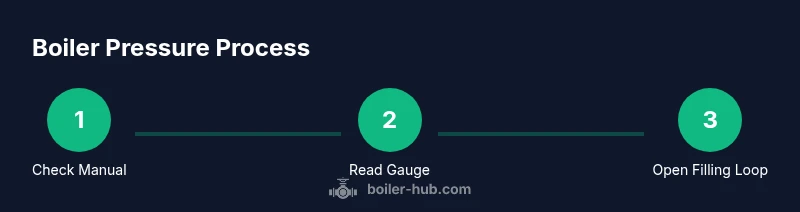
To increase boiler pressure safely, you’ll first verify your manufacturer’s guidance, then use the boiler’s filling loop to gently raise the pressure while watching the gauge. If you notice leaks, odd noises, or pressure won’t hold, stop and consult a professional. This guide explains steps, safety checks, and common mistakes to avoid.
Why boiler pressure matters
Boiler pressure is the driving force that pushes heated water through your radiators and hot-water taps. When pressure is too low, radiators warm slowly or not at all, and the boiler may cycle on and off more frequently, wasting fuel. If pressure gets too high, seals can fail, leading to leaks and expensive damage. According to Boiler Hub, maintaining an appropriate pressure range is essential for safe operation and optimal efficiency. Always consult your boiler’s manual for the recommended range and procedures, because different models vary in the exact targets. Understanding how pressure interacts with temperature helps you diagnose issues and prevent costly breakdowns.
A balanced pressure helps ensure consistent heating, quieter operation, and longer equipment life. Homeowners and facility managers should treat pressure readings as a normal part of boiler maintenance, not a one-off event. When you develop a routine—check the gauge monthly, and after any major system work—you reduce the risk of sudden breakdowns. Boiler Hub's guidance emphasizes safety first and sound diagnostics over guesswork.
Common causes of low boiler pressure
Low boiler pressure is often fixable, but it signals a problem somewhere in the system. The most frequent culprits include small external leaks from joints, worn seals, or faulty bleed valves. Another common cause is an exhausted expansion vessel that can’t absorb system pressure properly. In some cases, a recent radiator bleed can inadvertently drop the pressure if air has entered the loop and isn’t fully expelled. Regular checks help catch these issues early, and knowing the typical indicators helps you decide whether you can safely address them yourself or need professional help. Boiler Hub recommends starting with a visual inspection of joints and quickly testing for leaks with a soap solution on joints.
Safety considerations before adjusting pressure
Working with boilers involves gas, electricity, and hot water under pressure. Before you touch anything, shut off power to the boiler if it’s safe to do so and let the system cool. Wear protective gear and use a cloth to protect your hands from hot surfaces. Never force valves or hoses; open them slowly and monitor the gauge. If you smell gas, hear hissing sounds, or notice water pooling near the boiler, evacuate and call emergency services. These precautions protect you and your property.
How to check your boiler's pressure gauge
Most boilers show pressure on a round gauge marked in bars. Read the current level when the system is cold and then after heating up; the level will rise with temperature. Manufacturer manuals vary, but a common goal is to keep pressure within a safe range specified for your model. If readings are consistently off or you see a fluctuating needle, you may have a leak or a failing component. For precise targets, always reference your manual.
How the filling loop works and why it’s used to raise pressure
Many boilers include a secondary filling loop with two small valves connected to the cold-water supply. When the system is low, you open the valves slowly while watching the gauge, allowing fresh water to enter the closed loop. Close the valves once the gauge reaches the recommended range. Do not leave the loop open longer than necessary, as overfilling can damage the boiler. Use a cloth to catch drips.
Diagnosing issues that keep pressure low after filling
After filling, pressure might still drop if there is a hidden leak, an issue with the expansion vessel, or an internal fault. Check for damp patches around joints, radiators, and the boiler cabinet. Inspect bleed valves; if water leaks from them, reseat or replace. If the pressure keeps falling, the system may have a more serious problem and may require a professional assessment.
Post-adjustment maintenance: bleeding radiators and expansion vessel checks
Bleed all radiators to remove trapped air that can affect system pressure. Use a bleed key at each radiator valve until water runs steadily; recheck the pressure afterward. Inspect the expansion vessel for proper operation — a failing vessel often causes pressure instability. If you hear repeated tapping or see a flatted diaphragm, contact a professional for testing and replacement.
When to call a professional and safety warnings
If pressure loss recurs after adjustments, or if you notice persistent leaks, discolored water, or gas smells, shut down the boiler and call a licensed technician. A pro can test the pressure relief valve, expansion vessel, and piping with proper equipment. Boiler safety relies on correct gas control, venting, and electrical isolation; never bypass safety features.
Tools & Materials
- Filling loop and hoses(Use the boiler's built-in loop; ensure hoses are clear and sealed)
- Adjustable wrench(To loosen/tighten valves)
- Towels or rags(Catch drips; protect floors)
- Safety goggles and gloves(Heat protection and eye safety)
- Bucket(Optional catch container)
- Soap solution(Bubble test for leaks)
- Screwdrivers (flat-head or Phillips)(Valve caps or trim)
Steps
Estimated time: 30-60 minutes
- 1
Power off and cool the boiler
Switch the boiler to off at the wall or via the control panel and allow the unit to cool for 15-30 minutes. This reduces burn risk and lets internal pressure settle.
Tip: Never work on a hot boiler; hot surfaces can cause severe burns. - 2
Locate the filling loop and prepare valves
Find the two isolation valves and the filling loop attached to the boiler. If your model has a built-in loop, inspect hoses for wear and ensure seals are intact before opening.
Tip: If you’re unsure where the loop is, consult the manufacturer manual for your model. - 3
Open valves slowly to add water
Gently open the valves a small amount and watch the pressure gauge. Water should enter gradually; rushing water can overshoot the target and stress the system.
Tip: Do not stand directly in line with the filling hose to avoid splashes. - 4
Close valves and remove the filling loop
Once the gauge approaches the recommended level, close both valves and remove the loop. Check for drips at the fittings.
Tip: Wipe down connections to ensure a dry seal before the next step. - 5
Turn boiler back on and circulate heat
Restore power and allow the boiler to run for 10-15 minutes. Observe how pressure behaves as the system warms.
Tip: If the needle continues rising rapidly, stop the boiler and recheck for leaks. - 6
Bleed radiators to remove air
Starting with the highest radiator, use a bleed key to release trapped air until water appears steadily. Recheck the pressure after bleeding the entire system.
Tip: Needle movement while bleeding indicates air pockets are present; proceed methodically. - 7
Finalize and check for leaks
After bleeding, recheck the pressure and inspect all joints for moisture. If pressure returns to normal and no leaks are present, you’re finished.
Tip: Keep an eye on pressure over the next 24 hours to confirm stability.
Questions & Answers
Why is my boiler pressure low after topping up?
Low pressure after topping up often indicates a hidden leak, a faulty expansion vessel, or an issue with a valve. Inspect joints for dampness and check the expansion vessel. If problems persist, seek professional help.
If pressure stays low after topping up, check for leaks and a faulty expansion vessel, then consider calling a professional if it keeps happening.
Can I increase boiler pressure myself?
Yes, you can increase pressure yourself if you follow the boiler manual and take safety precautions. Use the filling loop slowly and avoid overfilling. If you’re unsure, contact a licensed technician.
Yes, but follow the manual and safety steps; don’t overfill, and call a pro if you’re unsure.
What is the safe pressure range for my boiler?
The safe range varies by model. Always refer to your boiler’s manual for the recommended range and avoid relying on guesses. If unsure, call the manufacturer’s support line or a qualified technician.
Check your manual for the model’s safe range and don’t guess the target pressure.
What should I do if I smell gas during this process?
If you smell gas, evacuate the area immediately and call the local gas emergency number. Do not operate electrical switches or open flames.
If you smell gas, leave the area and call emergency services right away.
What maintenance helps prevent pressure loss?
Regular checks, radiator bleeding, and annual service of the expansion vessel help prevent pressure loss. Keep an eye on leaks and address them early.
Do regular checks and service to catch issues early and keep pressure steady.
Key Points
- Verify the manufacturer’s guidance before adjusting pressure.
- Fill slowly and monitor the gauge to avoid overpressure.
- Bleed radiators after adjusting to remove air pockets.
- Inspect for leaks and diverging readings; address promptly.
- Call a professional if the issue recurs or you’re unsure.