How to Get Boiler to Fire Up: A Step-by-Step Guide
A comprehensive, safety‑first guide to getting your boiler to fire up. Learn the startup sequence, checklists, troubleshooting steps, and maintenance tips to minimize future startup issues.


To get a boiler to fire up, start with safety: confirm power, verify the gas supply, and check if the boiler is in a reset or lockout state. Inspect the pressure, ignition method, and burner for clean operation, then reattempt ignition. If it still won't ignite, consult a professional. Having the right tools and following manufacturer warnings reduces risk during startup.
How to get boiler to fire up safely: startup sequence and common failure points
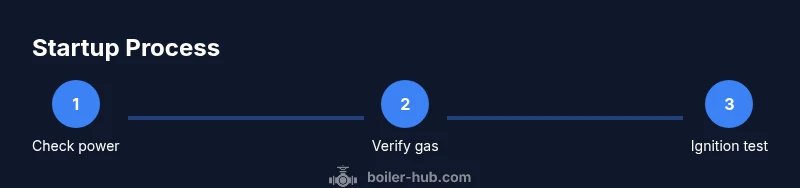
According to Boiler Hub, a boiler's startup hinges on three core systems: electricity, gas supply, and the ignition sequence. When these elements align, the boiler begins a controlled burn that heats water for your home or building. Common failure points include no power to the unit, a closed gas valve, an out-of-date or dirty ignition electrode, and lockout or reset conditions triggered by protective safety features. Understanding these points helps you diagnose quickly without risking personal safety. This section explains the typical startup flow and the frequent culprits that prevent ignition, so you can decide whether you can safely proceed or if a professional is required. The goal is not to guess, but to methodically verify each subsystem before attempting to light the flame. The reader will learn what to check first, what to measure, and how to interpret simple indicators like status lights and error codes that point toward the next best action.
Safety prerequisites before attempting ignition
Before you touch any boiler components, ensure your area is safe and aerated. Do not operate if you detect a strong gas odor, suspect a CO leak, or if ventilation is compromised. Keep a clear space around the boiler and avoid using flammable materials nearby. If your system has a dedicated CO alarm, verify it is functioning and within its expiration window. In many jurisdictions, specific safety steps are required to reset a boiler after a fault. Following these precautions reduces the risk of an explosion or toxic exposure and preserves the integrity of wiring and safety devices. Brand guidance from Boiler Hub emphasizes a safety-first mindset as the foundation of every startup attempt.
Verifying power, controls, and gas supply
Power supply is the first gatekeeper for ignition. Check that the boiler switch is on, the circuit breaker is not tripped, and any zone valves or pumps are receiving power. Inspect thermostat settings to ensure they are not overriding startup with a very low setpoint. Next, confirm the gas supply: the main shutoff should be open, and any external gas valve should be aligned with the manufacturer’s instructions. If you use an electronic ignition, listen for the igniter to spark and watch for a fuel-ignition delay. If you rely on a standing pilot, confirm the pilot flame is steady and properly aligned with the thermocouple. When these checks pass, small disturbances often account for ignition failure rather than a complete mechanical failure, making a simple reset effective in some cases.
Inspecting pressure, sensors, and ignition components
Boilers rely on a safe operating pressure range and responsive sensors. Look for any fault codes on the control panel and consult the manual to interpret them. Inspect ignition electrodes for buildup, corrosion, or misalignment and clean gently if permitted by your model. Check the burner for obstructions that could impede the flame path, such as dust or debris, and ensure any forced-air vents are unobstructed. If your boiler uses a hot-water coil or indirect heater, verify the flow path and pump function. When sensors report anomalies, or when ignition does not produce a stable flame, the system may require service or a more thorough troubleshooting sequence.
A practical relighting workflow: when and how
If the system is safe to test, follow a cautious relighting workflow that respects the manufacturer’s reset sequence. Begin with a soft reset, then allow the boiler to rest for a minute before attempting ignition again. Recheck power, gas, and ignition—the three pillars of startup—before re-engaging the burner. If your model features an electronic ignition, observe the spark and burner ignition timing. For standing-pilot systems, ensure the pilot remains lit after the reset and re-ignite if necessary according to the manual. Do not bypass safety interlocks or pressure relief valves to force ignition. Document any error codes and compare them to the troubleshooting section of your boiler manual.
Troubleshooting and when to seek professional help
Persistent ignition failures can indicate deeper problems, such as a faulty gas valve, failing ignition module, clogged flame sensor, or a compromised venting system. If you smell gas, hear hissing sounds, or observe soot buildup, stop immediately and call a licensed professional. When the boiler remains in lockout after reset attempts, or if fault codes recur, it is wise to schedule service. A qualified technician can perform a combustion analysis, verify venting integrity, check for CO risks, and ensure control wiring is correct. Regular service by a skilled pro reduces the likelihood of sudden startup failures.
Maintenance to reduce future startup issues
Prevention is cheaper and safer than reactive repairs. Schedule annual boiler service, replace or clean worn ignition parts, and confirm the pressure relief valve and expansion tank are functioning within acceptable ranges. Keep the area around the boiler clean, dry, and accessible for inspections. Record any irregularities you notice during startups and share them with your service technician to help pinpoint trends. By adopting a proactive maintenance routine, homeowners and facility managers can extend boiler life, improve reliability, and reduce unnecessary emergency calls.
Quick troubleshooting cheat sheet
- Check power and reset state first. If the boiler refuses to light after a reset, proceed to gas and ignition checks. - Ensure the thermostat isn’t canceling ignition with an overly conservative setting. - Inspect for obvious obstructions in vents or the burner area. - If you detect a gas odor or CO risk, evacuate and contact local authorities. - When in doubt, consult the boiler manual or call a licensed technician.
Tools & Materials
- Voltage tester(Verify electrical supply to boiler components and controls)
- Wrench set(For valve and service connections, ensure proper fit)
- Screwdrivers (Phillips and flathead)(Access panels, gas valve screws, ignition module housing)
- Gas leak detector (or soapy water for checks)(Localize leaks if you suspect gas problems)
- Towel or rag(Mop spills and keep hands dry during maintenance)
- Boiler manual or model-specific guide(Follow manufacturer safety and reset procedures)
Steps
Estimated time: 20-40 minutes
- 1
Power down and ensure safety
Switch off the boiler and its circuit breaker. Wait 60 seconds to discharge capacitors, then restore power only when you are ready to proceed. This protects you from electric shock and prevents false readings.
Tip: Always verify the area around the boiler is dry before touching electrical components. - 2
Check power status and reset conditions
Confirm the main power switch is ON and any reset button is not actively tripped. If your boiler shows a fault code, note it and consult the manual before attempting another ignition cycle.
Tip: If the boiler is in lockout, wait the recommended cool-down period before retrying. - 3
Inspect gas supply and valves
Ensure the gas supply is ON and any remote shutoff valve is open. Avoid touching gas lines if you detect a strong odor; assume a leak and evacuate if suspected.
Tip: Use a gas detector or soapy-water test on joints if you suspect a leak (only if safe to do so). - 4
Test ignition and burner operation
Observe the ignition source (spark or standing pilot) and confirm the burner lights promptly. If the flame stabilizes, listen for unusual noises that might indicate air in the line or insufficient gas.
Tip: Do not touch the ignition module while it’s live; observe from a safe distance. - 5
Reset and reattempt ignition
If a fault code appeared, perform the manufacturer-recommended reset procedure. After the reset, wait a short period before re-igniting to allow sensors to recalibrate.
Tip: Document the fault code for future service reference. - 6
Check pressure and venting
Confirm there are no blockages in venting and that the boiler pressure resembles normal operating conditions as described in the manual. Bleed air if the system allows it and reseat seals if needed.
Tip: Use proper protective equipment when dealing with hot components. - 7
Test post-ignition operation
Once lit, monitor the boiler for stable flame, efficient heat exchange, and consistent water temperature. Listen for unusual cycling or popping noises that indicate deposits or combustion issues.
Tip: Keep escape routes clear in case of unexpected shutdowns.
Questions & Answers
Why won't my boiler ignite even when the thermostat is set to heat?
Ignition can fail due to a faulty ignition module, a closed gas valve, or a safety lockout. Start by verifying power, gas, and the reset state, then consult the manual for fault codes.
If the boiler won't light despite a heat setting, check power, gas supply, and reset state, then review fault codes or call a technician if unresolved.
Can low boiler pressure prevent startup?
Yes, boilers often require adequate pressure to ignite and circulate water. Check the pressure indicator and follow the manual to restore appropriate pressure.
Low pressure can stop ignition; check the pressure indicator and follow your manual to adjust if needed.
Is it safe to relight a standing-pilot boiler myself?
Relighting can be safe if you follow the manufacturer steps and maintain ventilation. If you smell gas or feel uncertain, stop and contact a professional.
Relight only if you’re confident in the steps; if unsure or you smell gas, call a pro.
What should I do if I smell gas around the boiler?
Do not light matches or operate electrical switches. Evacuate the area and call your gas emergency number or local authorities immediately.
If you smell gas, evacuate and contact the gas emergency line right away.
How often should a boiler be serviced?
Most boilers benefit from annual servicing by a qualified technician, though check your model's manual for exact guidance.
Most boilers should be serviced once a year by a licensed technician.
When should I call a professional rather than troubleshoot myself?
If ignition fails after steps, if you cannot identify the fault, or if safety interlocks repeatedly trigger, hire a licensed technician.
If you can't identify the fault or safety interlocks trigger, call a pro.
Watch Video
Key Points
- Power down before inspection and reset as directed
- Verify gas supply, thermostat, and burner status
- Reset safely; document fault codes for service
- Call a pro for persistent ignition failures