Boiler Furnace Repair: A Practical DIY Guide for Homeowners and Managers
Learn how to diagnose and safely repair common boiler furnace problems. This comprehensive DIY guide covers causes, safety precautions, a practical step-by-step approach, and maintenance tips to prevent future breakdowns. Know when to call a pro and how to choose the right service.


This guide helps homeowners and facility managers understand boiler furnace repair by outlining common failures, safety precautions, and a practical, step-by-step approach. You’ll learn diagnostic checks, how to verify ignition and gas supply, basic wiring checks, and when to replace parts or call a licensed technician. Follow our maintenance tips to reduce future breakdowns and keep your system safe.
How a boiler furnace works and common failure modes
A residential or small-commercial boiler furnace typically heats water or produces steam that is circulated through a building’s radiant or baseboard heating system. The burner provides heat by burning natural gas, propane, or oil, and a series of controls regulates ignition, flame quality, and cycling. Common failure modes include ignition problems, clogged burners, low pressure, faulty thermostats, circulation issues, and leaks in the system. Understanding these mechanisms helps you diagnose issues without unnecessary disassembly. Regular maintenance—like cleaning burners, checking flame quality, and inspecting seals—can significantly extend the life of components. According to Boiler Hub, routine checkups reduce unexpected outages and support safer operation.
When a boiler starts misbehaving, you should document recent events (noise, smells, or changes in performance) and compare them against expected operating behavior. This baseline helps you identify whether the problem is electrical, gas-related, mechanical, or control-system related. A failure may be symptomatic of multiple issues, so a methodical approach is essential.
Signs of a deteriorating boiler include frequent cycling on/off, inadequate heat delivery, unusual noises, rising energy bills, and visible corrosion or leaks. If you notice a persistent flame that is yellow rather than blue, or a strong gas odor, evacuate the area and call your gas provider immediately.
Important safety note: CO and gas risks
Boilers run with combustion byproducts that can accumulate in enclosed spaces. Carbon monoxide is odorless and deadly in higher concentrations. Install or test CO detectors near the boiler and ensure good venting for combustion air. If you suspect a gas leak, do not operate electrical switches or create sparks; leave the area and call emergency services.
Diagnosing ignition, burner, and flame problems
Ignition and burner issues are among the most common causes of boiler repair needs. Symptoms include failing to ignite, intermittent ignition, or an erratic flame. A healthy flame is blue with a faint yellow tip at the end. If the flame is weak, flickering, or yellow, it may indicate improper gas pressure, dirty burners, or a faulty igniter. System controls, including thermostats and error codes, can guide you toward the faulty component.
Checking electrical controls and the thermostat
Electrical issues can mimic gas or mechanical failures. Inspect circuit breakers, fuses, and the thermostat wiring for loose connections or damaged insulation. A malfunctioning thermostat can cause short cycling or improper room temperature. When testing electrical components, always turn off power first and use appropriate safety gear. If you notice burned smells or melting insulation, stop and call a pro.
Pressure, water level, and expansion tank checks
Boilers rely on correct water pressure for safe operation. Low pressure can prevent ignition or cause pumps to cavitate, while high pressure may trigger relief valves. Check the pressure gauge on the daily, and verify that the expansion tank is properly charged. Leaks in the system can also alter pressure and performance. Regular checks help you catch issues before a failure occurs.
Burners, vents, and condensate drainage
Inspect the condensate drain line for blockages and ensure the venting system is clear of obstructions. A blocked vent or condensate line can trigger safety shutoffs and poor combustion. Clean or replace burners if soot buildup is evident, and ensure that gaskets and seals are intact to prevent heat loss and gas leaks.
Step-wise diagnostic workflow (overview)
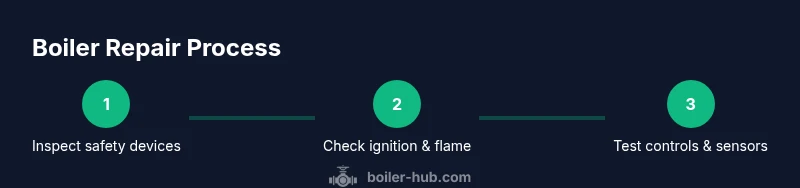
Adopt a structured diagnostic workflow: (1) verify safety devices and power/gas shutoffs, (2) inspect for obvious leaks and corrosion, (3) check ignition and flame quality, (4) test control signals and sensors, (5) review pressure and water levels, (6) assess venting and condensate drainage, and (7) perform a shutdown-test to observe behavior. This approach minimizes unnecessary disassembly and helps isolate root causes.
Preventive maintenance to reduce future failures
Create a simple maintenance calendar that includes burner cleaning, flame inspection, CO detector tests, filter replacements where applicable, and annual professional inspections. Regular servicing can catch wear before it becomes costly downtime. Maintain clear records of all service actions to track performance over time.
How to decide between DIY repair and hiring a professional
DIY troubleshooting is appropriate for basic checks (thermostat, visual inspection, simple cleaning) if you are comfortable with safety protocols. Complex issues—gas valve replacement, control board failure, major gas line work, or anything involving gas supply—should be handled by a licensed technician to protect occupant safety and code compliance. The Boiler Hub team recommends scheduling annual professional inspections to ensure safe, efficient operation.
Authority sources and reading
For safety guidelines and best practices, refer to authoritative sources such as energy.gov, EPA.gov, and nfpa.org. These resources provide general guidance on heating system safety, carbon monoxide awareness, and standards that reduce risk during boiler work. Boiler Hub Analysis, 2026 also informs best-practice recommendations for homeowners and facility managers.
Tools & Materials
- Multimeter (digital)(Testing control circuits and thermostat wiring)
- Adjustable wrench set(Gas valve and piping adjustments)
- Screwdrivers (Phillips & flathead)(Electrical covers and burner components)
- Manometer or pressure gauge(Check system pressure and gas pressure if accessible)
- Gas leak detector solution(Check for leaks along joints and valves)
- Replacement parts (thermocouple, igniter, thermostat)(Only if you have confirmed faulty components)
- Gasket sealant/ replacement gaskets(For resealing burner and valve areas)
- Emergency CO detector(Maintain a working CO detector near the boiler)
- Safety gear (gloves, eye protection)(Protective gear when handling hot surfaces and gases)
Steps
Estimated time: Total time: 90-120 minutes
- 1
Power down and isolate energy
Shut off the boiler’s electrical supply at the breaker and close the gas supply valve if safe to access. This reduces the risk of electric shock and gas ignition during inspection. Always verify power is off before touching components.
Tip: Use a non-contact voltage tester to confirm no live circuits before handling wires. - 2
Verify safety devices and gas readiness
Check that carbon monoxide detectors are functional and located near the boiler. Ensure the venting path is clear and that the combustion air supply is not obstructed. Do not start any work if you detect a gas odor; evacuate and contact your utility or gas provider.
Tip: Keep a hand on the main gas shutoff valve to be ready to close if you detect a leak during inspection. - 3
Inspect the burner and flame quality
Remove access panels and inspect the burner for soot buildup or corrosion. A clean, steady blue flame indicates proper combustion; a yellow flame or irregular flame suggests dirty burners or wrong gas pressure. If combustion looks off, do not adjust gas pressure yourself; call a pro.
Tip: Take a photo of the flame color for reference when speaking with a technician. - 4
Test ignition and spark components
Examine ignition electrodes for wear or buildup and confirm the spark is reaching the burner. Faulty ignition can cause repeated failures to ignite or delayed ignition. Replace worn electrodes if you have the correct part and safety capabilities.
Tip: Handle electrodes gently; oils on fingers can damage them. - 5
Evaluate the control system and thermostat
Inspect wiring connections at the thermostat and control board for loose or damaged wires. Verify sensor readings with a multimeter and compare to manufacturer specs. A misread sensor can cause incorrect cycling and heat output.
Tip: Document any code or fault on the controller display for reference. - 6
Check pressure, water level, and expansion components
Monitor system pressure with the built-in gauge and verify that the expansion tank is properly charged. Low pressure can prevent ignition; high pressure may trigger relief valves. Look for leaks around joints and seals that could alter pressure readings.
Tip: If your boiler uses a fill loop, ensure it’s closed after charging to correct pressure. - 7
Assess the venting and condensate systems
Ensure the vent pipe is unobstructed and the condensate drain is clear. A blocked vent or clogged condensate line can trigger safety shutoffs. Keep the vent termination area free of debris and verify drip pans are dry.
Tip: Never bypass a blocked vent; this creates hazardous conditions. - 8
Test run and monitor performance
Reassemble access panels carefully, restore power and gas with caution, and observe the ignition and cycling. Listen for unusual noises and watch for abnormal flame behavior. If the boiler cycles abnormally or fails to maintain heat, stop and seek professional help.
Tip: Record run times and temperatures to share with a technician.
Questions & Answers
What are the most common signs that my boiler furnace needs repair?
Frequent cycling, insufficient heat, unusual noises, and rising energy bills are typical indicators. If you smell gas or detect a persistent burner flame problem, schedule an inspection promptly.
Common signs include frequent cycling, weak heat, odd noises, and higher bills. If you smell gas, leave the area and call your provider.
Can I perform boiler furnace repair myself?
Basic diagnostics such as thermostat checks or cleaning may be safe for trained homeowners. More advanced tasks—gas valves, electrical control boards, or anybody dealing with gas supply—should be done by a licensed technician.
DIY is possible for simple checks, but complex tasks should be left to a licensed technician to ensure safety and code compliance.
What should I do if I smell gas around the boiler?
Immediately evacuate the area and call the gas emergency number. Do not operate switches or create sparks. Once cleared, contact your gas provider for guidance.
If you smell gas, leave the area and call the gas emergency line right away.
How long does a boiler repair typically take?
Repair duration depends on the issue and parts availability. Minor thermostat or ignition work may complete in a few hours, while major gas valve or control-board replacements could take longer.
Most common repairs can take a few hours, but complex gas valve or control-board work may extend the timeline.
Is it better to replace a boiler rather than repair it?
If the boiler is old, inefficient, or requires frequent repairs, replacement may be more cost-effective in the long term. A professional can run a total cost of ownership analysis.
Often, older boilers with frequent issues are better replaced than repeatedly repaired.
What maintenance helps prevent boiler failures?
Annual professional inspections, regular burner cleaning, flame checks, CO detector tests, and promptly addressing leaks and corrosion can prevent many failures.
Regular annual maintenance and quick attention to leaks and corrosion can prevent many boiler problems.
Watch Video
Key Points
- Never ignore warnings from CO detectors or gas odor.
- Follow a structured diagnostic workflow to isolate root causes.
- Know when DIY ends and professional service begins.
- Maintain annual professional inspections to reduce risk and extend life.