How to Replace a Boiler Pressure Relief Valve Safely
Boiler Hub's expert guide shows how to replace a boiler pressure relief valve safely with a clear, step-by-step approach. Learn tools, safety precautions, installation steps, and leak testing.


By the end of this guide you will know how to replace a boiler pressure relief valve safely and effectively. You'll learn the exact tools needed, the critical safety steps, how to depressurize and isolate the boiler, and a clear, step-by-step process. If you're unsure, consult a professional. Always follow local codes and manufacturer instructions.
Understanding the role of the pressure relief valve and why replacement may be needed
A boiler pressure relief valve (PRV) is a critical safety device designed to vent excess pressure from the boiler to prevent explosions or component damage. Over time, PRVs can corrode, become seized, or develop a slow leak due to mineral deposits, worn seals, or improper installation. Replacing a faulty valve promptly helps maintain system safety and efficiency. According to Boiler Hub analysis, aging systems with corroded fittings are more prone to overpressure events, underscoring the importance of proactive replacement when signs appear. common symptoms include frequent pressure spikes, visible corrosion around the valve, or water discharge from the discharge pipe. If you notice any of these, plan replacement rather than ignoring the issue.
Safety prerequisites and when to involve a professional
Work on boilers involves high temperatures, pressurized water, and, in some cases, gas or oil-fired systems. Before touching any component, ensure the boiler is completely shut down and cooled, the power is off, and the system is depressurized. Wear protective eyewear and gloves, and keep a clear workspace. If you smell gas, hear hissing sounds, or the boiler is under warranty or has complex integration with other safety controls, contact a licensed technician immediately. Boiler Hub teams emphasizes that safety is the top priority; do not bypass safety steps in order to speed up the process.
Planning and compatibility: choosing the right valve
Valve compatibility is more than just a decorative replacement. You must match the valve size, thread type (NPT), pressure rating (psig), and material to the boiler and the system design. Common sizes include 3/4-inch NPT, but some appliances use 1/2-inch or 1-inch threads. The replacement valve should be rated for the boiler’s maximum operating pressure and designed for the same fluid (water). Check the boiler manufacturer’s documentation or label on the old valve for these specifications. If in doubt, take the old valve to a plumbing supplier for exact matching, or consult a professional.
Tools and materials you will need (prepare before starting)
Having the right tools reduces risk and speeds up the job. You’ll want an adjustable wrench, a fixed-size wrench or pliers that fit the valve hex, thread sealant or Teflon tape rated for potable water, a bucket or towels to catch drips, replacement valve, silicone-free pipe dope if required, and a flashlight. A pipe wrench may be needed for stubborn fittings. Keep a spare set of fresh towels and a container to collect any residual water. Having all items at hand prevents mid-task trips to the hardware store, which can lead to mistakes or safety shortcuts.
Step-by-step overview of the process (high-level before detailed steps)
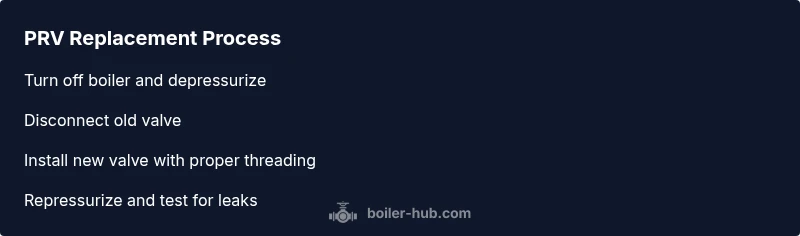
This overview sets expectations for the sequence: isolate and depressurize the boiler, remove the old PRV, prepare and install the new valve with correct threading and orientation, rejoin piping, purge air, and perform a leak test. After installation, you’ll recheck the system pressure and confirm the relief valve operation under a controlled test. This overview helps you anticipate each phase and reduces the risk of mistakes during hands-on work.
Step-by-step overview: preparing the installation site (practical details)
Position the boiler in a well-ventilated area with easy access to the discharge pipe and its drain. Ensure the discharge path is clear and protected from accidental contact, especially if the valve vents hot water. Make sure you have a stable, non-slip surface to work on and adequate lighting to inspect threads and seals. Review the replacement valve’s orientation to align with the discharge pipe direction.
Installation specifics: removing the old valve and installing the new one
To remove the old PRV, carefully unscrew the valve from the boiler fitting while catching any drips. Inspect the male threads and the pipestub for damage or corrosion. Apply thread sealant or Teflon tape rated for the valve’s material, then thread the new valve by hand to avoid cross-threading. Tighten with the appropriate wrench until snug—do not overtighten, which can crack fittings. Reconnect the discharge piping and ensure there is a proper seal.
Post-install тестing and maintenance: verifying proper operation
With the valve installed, slowly re-pressurize the system and monitor the relief valve for leaks. Bleed any trapped air from the system and verify that the boiler’s pressure gauge sits within the normal operating range. Trigger a test release by slightly increasing pressure to the valve’s rated limit, and observe that water is vented through the discharge line without leaks elsewhere. If leaks persist, re-tighten or reseal as needed and re-test.
What to do if you’re unsure or encounter problems
If you’re uncertain about valve compatibility or how to safely depressurize a hot boiler, call a licensed technician. Do not operate the boiler if you notice a strong gas odor, a persistent leak, or a malfunctioning safety device. Regular maintenance and periodic checks by a qualified pro help prevent dangerous situations and ensure the system remains within code requirements.
Tools & Materials
- Replacement boiler pressure relief valve(Match size (e.g., 3/4" NPT) and pressure rating to boiler spec)
- Adjustable wrench(Use for loosening/tightening valve fittings)
- Fixed-size wrench or pliers(Ensure fit to valve hex without rounding)
- Teflon tape or thread sealant rated for potable water(Avoid petroleum-based sealants on potable water lines)
- Bucket and rags or towels(Catch and manage residual water runoff)
- Flashlight(Inspect threads and seals clearly)
- Pipe dope (optional, compatible with valve material)(Only if manufacturer allows it)
- Safety goggles and gloves(Personal protective equipment for all steps)
Steps
Estimated time: 60-90 minutes
- 1
Power down and depressurize
Turn off the boiler and switch off the power supply. Allow the system to cool, then relieve pressure using the boiler’s relief mechanism or the manual vent if available. This reduces the risk of scalding and makes valve removal safer.
Tip: Verify the system is cool to the touch before touching any components. - 2
Isolate the boiler and drain a small amount of water
Close the feed valve or isolating valve to prevent water flow. Open a nearby faucet to vent air and help drain residual water from the line near the valve. Have a bucket ready to catch any remaining drips.
Tip: Keep towels handy for any spills; protect floors from water damage. - 3
Remove the old relief valve
Place a wrench on the valve nut and counterhold the fitting. Gently unscrew the valve, allowing any trapped water to escape into the bucket. Inspect threads for damage or corrosion.
Tip: Do not wrench the pipe stub; loosen the valve only. - 4
Prepare and install the new valve
Wrap threads with Teflon tape in the correct direction. Thread the new valve by hand to avoid cross-threading, then snug with a wrench. Reconnect the discharge piping securely.
Tip: Make sure the valve direction matches the discharge path. - 5
Repressurize and bleed the system
Slowly reopen the feed valve and monitor the gauge. Bleed air from the system and check for leaks around the valve fittings.
Tip: Keep an eye on the gauge; do not exceed the boiler’s rated pressure. - 6
Test and verify operation
Carefully test the relief valve at its rated pressure limit and observe venting through the discharge line. Confirm there are no leaks and that the system returns to normal operating pressure.
Tip: If you observe leaks or the valve doesn’t vent, power down and recheck seals.
Questions & Answers
Why would I need to replace a boiler pressure relief valve?
A failing PRV can leak, fail to vent excess pressure, or corrode, risking boiler damage or a dangerous overpressure event. Replacement restores safety and compliance with boiler codes.
A faulty valve can leak or fail to vent excess pressure, which can be dangerous. Replacing it restores safety and code compliance.
Can I replace any PRV on any boiler?
Not all valves fit all boilers. You must match the size, thread type, and pressure rating to the boiler’s specifications. Check the manufacturer’s guide or bring the old valve to a supplier for exact match.
Not all valves fit every boiler. Match size, threads, and pressure rating to the boiler specs and check the manual.
What signs indicate a faulty PRV besides leaks?
Frequent erratic pressure, air in radiators, and discharge from the relief line are common indicators. Corrosion or a stiff valve that won’t move also points to replacement.
Erratic pressure, radiator air, and discharge from the relief line can indicate a faulty valve.
Is professional help required for replacement?
For gas- or oil-fired boilers, or if you are unsure about depressurizing safely, hire a licensed technician. Complex systems may involve gas safety and warranty considerations.
If you’re unsure about depressurizing or if your boiler is gas or oil-fired, hire a licensed technician.
How long does replacement typically take?
Most replacements can be done in 60-90 minutes by a trained DIYer with the right tools. Complex systems or difficult access could take longer.
Typically about an hour or two for a trained DIYer; more for complex setups.
What codes or standards apply to PRV replacement?
Local building codes and national safety standards apply. Always verify compliance with manufacturer instructions and consult local authorities if needed.
Check local codes and the manufacturer instructions for compliance.
Watch Video
Key Points
- Power down and depressurize before starting
- Match valve size and rating to boiler specs
- Seal threads properly and avoid overtightening
- Bleed air and test for leaks after installation
- Consult a professional for complex or uncertain cases