Replace Boiler Relief Valve: A Comprehensive How-To Guide
Learn how to safely replace a boiler relief valve with clear, step-by-step instructions, essential tools, safety tips, and maintenance guidance from Boiler Hub. This practical guide covers valve selection, installation, testing, and long-term care to prevent overpressure and leaks.


Goal: replace boiler relief valve safely and correctly to maintain system pressure. You’ll learn the exact tools you need, how to depressurize the system, how to remove the old valve, install a compatible new unit, and verify operation. According to Boiler Hub, following these steps reduces leak risk and helps prevent dangerous pressure buildup.
What the boiler relief valve does and why replacement may be needed
The boiler relief valve is a safety device designed to vent steam or hot water when boiler pressure rises above a safe level. Its job is to prevent the boiler from overpressurizing, which can cause dangerous failures, leaks, or even property damage. Over time, a relief valve can wear out, corrode, or become stuck, reducing its ability to reseal and discharge properly. Signs that you may need to replace the valve include visible leaks at the valve body or discharge piping, a valve that sticks or vents unexpectedly, or frequent manual venting. According to Boiler Hub, maintaining a functional relief valve is a fundamental part of boiler safety and system reliability. While many homeowners can perform the replacement, any sign of valve failure should trigger a careful evaluation of the entire relief system and surrounding piping.
Safety first: crucial precautions before you begin
Safety is non-negotiable when working on a pressurized boiler system. Always verify the boiler is powered off at the main switch and that the fuel source (gas or oil) is secured according to the manufacturer’s instructions. Wear protective eyewear, gloves, and long sleeves. Keep a drain pan ready for steam or water discharge, and have rags handy for clean-up. Protecting yourself reduces the risk of burns, scalding, or sudden pressure release.
Tools, parts, and preparation checklist
Preparing the right tools and a compatible replacement valve is essential for a successful swap. Gather an adjustable wrench, pipe wrench, torque wrench (optional but helpful for precision), Teflon tape, plumber’s compound rated for boilers, a bucket or drain pan, rags, a marker for labeling, and a new relief valve that matches your boiler’s size and thread type. Also locate the boiler’s manual for valve specifications and ensure the discharge pipe is clear. Having everything on hand before you start minimizes delays and improves safety.
Choosing the right replacement valve
Valves come in different sizes, thread types, and pressure ratings. You want a valve with the same thread size as the old one and a compatible pressure rating for your boiler. If your valve uses a union, check that the replacement supports the same connection. It’s wise to opt for a valve manufactured from corrosion-resistant materials and that carries a reputable warranty. If you’re unsure, consult the boiler manufacturer’s guidance or a qualified technician. Boiler Hub Analysis, 2026 emphasizes matching the valve’s ratings to the boiler model to ensure reliable venting and avoid nuisance tripping.
The replacement procedure at a high level
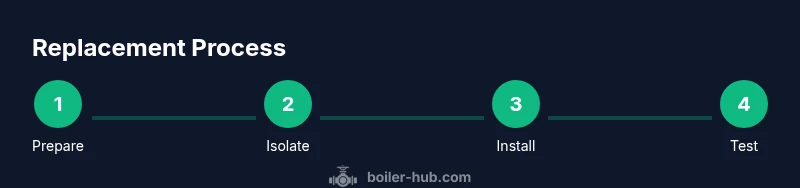
A replacement typically involves isolating and depressurizing the boiler, removing the old relief valve, preparing the mounting threads, applying suitable sealing material to the new valve, threading it into place with gentle torque, and reconnecting the discharge line. Finally, slowly re-pressurize the system and observe for leaks. The goal is a snug, leak-free seal that allows the valve to vent at the intended setpoint without leaking when the boiler is not overpressurized.
Testing for leaks and verifying operation
After installation, perform a careful leak test by running the boiler at its normal operating state and inspecting the valve attachment and discharge piping for any signs of moisture. If you detect a leak, power down and recheck the connections. Do not operate the boiler with a suspected leak. A functional relief valve should vent only when the pressure reaches its rated threshold; there should be no steady drip when the system is idle.
Troubleshooting common issues after replacement
If the relief valve continues to leak or vents spontaneously after replacement, double-check the thread fit, sealant choice, and whether the valve is the correct model for your boiler. Cross-threading or overtightening can damage threads and cause leaks. If the valve seems to vent at the wrong pressure or does not vent at all, consult the boiler manual or contact a licensed technician. Check for downstream blockages in the discharge line that may mimic valve problems.
Maintenance to extend valve life
Schedule periodic inspections of the relief valve and its discharge pathway as part of your boiler maintenance routine. Clean the area around the valve to prevent dust and corrosion from interfering with venting. If your boiler is in a corrosive environment or has hard water, consider additional protective measures such as filtration or water-treatment adjustments to reduce mineral buildup that can affect valve performance.
Documentation and next steps after replacement
Record the replacement date, valve model, and serial number, along with any observations from the test. Note the operating pressure setting that the valve vents at and keep a reminder for the next inspection. If you notice recurring leaks or performance issues, schedule a professional inspection to ensure compliance with local codes and safety standards. Regular documentation helps track valve health and supports future maintenance decisions.
Tools & Materials
- New boiler relief valve (correct size and rating)(Match the old valve’s thread size and boiler rating)
- Adjustable wrench(For loosening/tightening valve fittings)
- Pipe wrench(Useful for stubborn fittings without damaging threads)
- Teflon tape (PTFE) on male threads(Apply 2-3 wraps; ensure clean threads)
- Thread sealant rated for boilers(Optional depending on valve design)
- Bucket or drain pan(Catch water/steam during removal)
- Rags and towels(Clean spills and wipe fittings)
- Safety goggles(Eye protection against splashes)
- Thermal gloves(Protection when components may be hot)
- Marker or tag(Label piping connections for reassembly)
- Boiler manual or model number(Verify valve type and specs)
- Leak detection soap or spray(Identify slow leaks after reassembly)
Steps
Estimated time: 45-90 minutes
- 1
Power down and isolate boiler
Turn off the boiler at the thermostat and the main switch, then isolate the boiler from fuel supply if applicable. This prevents any heat or gas from entering the boiler while you work. Wait until the system is cool to avoid scalding or steam burns.
Tip: Verify the boiler is cold and depressurized before touching any components. - 2
Relieve residual pressure safely
Open the drain valve or vent to release any remaining pressure in the boiler loops. Keep your face away from the discharge path as pressure can release rapidly. Do not force the valve open if resistance is felt.
Tip: If you cannot safely vent, postpone replacement and consult a professional. - 3
Remove the old relief valve
Place a bucket under the valve, loosen the discharge line, and unscrew the valve from the boiler inlet with a wrench. Support the valve body to avoid twisting the pipe or damaging threads. Remove the old gasket or sealant if present.
Tip: Take note of the exact orientation of the valve during removal. - 4
Prepare and install the new valve
Wrap the male threads with PTFE tape in the direction of tightening, then thread the new valve by hand and tighten with a wrench until snug. Avoid over-tightening, which can damage threads or the valve seat.
Tip: Use two or three wraps of tape for a good seal without excess material. - 5
Reconnect the discharge piping
Reattach the discharge pipe to the valve, ensuring there are no cross threads and that the connection is secure. Hand-tighten first, then snug with a wrench without forcing. Replace any gaskets as needed.
Tip: Inspect the discharge path for kinks or obstructions. - 6
Repressurize and test for leaks
Gradually open the isolation valve to reintroduce system pressure. Check all joints for leaks; if soap bubbles appear on connections, tighten slightly and recheck. Do not run the boiler if a leak persists.
Tip: Test at operating temperature when possible, but monitor closely for leaks. - 7
Document and monitor
Record the replacement details (date, valve model, setpoint) and monitor for the first few cycles. If leaks or erratic venting occur, shut down and re-evaluate or call a professional.
Tip: Keep a maintenance log and set reminders for future inspection.
Questions & Answers
Do I need to drain the boiler to replace the relief valve?
Mostly yes. Depressurize and drain the section around the relief valve according to the boiler manual; this reduces the risk of scalding and spills during removal and installation.
Yes. Depressurize and drain the area around the valve per the manual to stay safe during replacement.
Can I reuse the old relief valve?
In most cases, it is not recommended to reuse a relief valve after removal. A new valve ensures a proper seal and venting reliability, reducing the risk of sudden failure.
Usually best to replace with a new valve to ensure a proper seal and avoid unpredictable venting.
What tools are essential for replacing the valve?
You’ll need wrenches suitable for the valve fittings, PTFE tape, a bucket, rags, and a compatible replacement valve. Having the boiler manual handy helps confirm part compatibility.
Wrenches, PTFE tape, a bucket, rags, and a compatible replacement valve are essential.
What are signs the new valve is not working correctly?
Persistent leaks at joints, discharge from the valve when not needed, or venting at the wrong setpoint indicate a problem. Stop and re-check fittings or consult a professional.
Leaks, improper venting, or venting at the wrong pressure means you should recheck or call a pro.
Is it safe to perform this task myself?
If you follow safe practices and the boiler is cold, replacing a relief valve can be a doable DIY for many homeowners. If you’re unsure, hire a licensed technician to ensure compliance and safety.
It can be safe as a DIY if the boiler is cold and you follow safety steps; otherwise, hire a professional.
How often should relief valves be inspected?
Regular inspections are part of boiler maintenance. Check for corrosion, leaks, and proper venting during routine service or annual checkups.
Inspect regularly for corrosion, leaks, and proper venting during annual maintenance.
Watch Video
Key Points
- Shut down and depressurize the boiler before any work.
- Match the valve size and rating to your boiler for reliable venting.
- Tighten connections carefully to avoid leaks; test thoroughly after installation.
- Document the replacement and monitor system performance over subsequent cycles.