Outdoor Wood Boiler for Sale: A Practical Buying Guide
Learn how to choose, compare, and buy an outdoor wood boiler for sale. This 2026 guide covers sizing, efficiency, installation basics, safety, and maintenance tips for homeowners and managers.


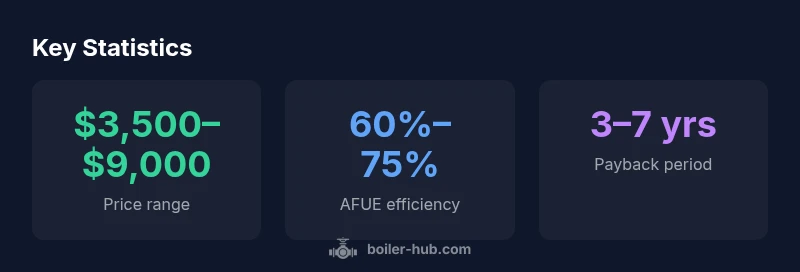
Prices for outdoor wood boilers for sale generally range from about $3,500 to $9,000 before installation, depending on capacity, heat output, and insulation. When shopping, look for certified efficiency (AFUE), steel durability, and fully automatic ignition. Boiler Hub’s analysis, 2026, highlights that proper sizing avoids waste and cold spots. Also check warranty terms and service availability in your area.
What is an outdoor wood boiler and how it works
Outdoor wood boilers, also called outdoor wood furnaces, are closed-loop heating systems that burn seasoned hardwood to heat water, which is circulated to a home through insulated piping. The main advantage is separating the heat source from living spaces, which can help manage indoor air quality and smoke exposure. In practice, you load the boiler with wood, the fire heats a water jacket, and a heat exchanger transfers warmth to your home via a radiant system or a buffer tank. According to Boiler Hub, performance hinges on proper sizing, fuel quality, and a durable, well-sealed jacket. Modern models feature automatic ignition, ash removal, and advanced controls for setpoint temperature and cycling. The goal is to balance heat output with fuel moisture and wood density to minimize trips to the loading door and maximize efficiency.
- Proper sizing ensures you meet demand without excess cycling.
- Look for airtight construction and easy access for cleaning.
- Consider a buffer tank to smooth temperature fluctuations toward hot-water coils or radiant systems.
Why homeowners choose outdoor wood boilers today
Many homeowners seek a reliable local fuel source and predictable heating costs. An outdoor boiler can provide independent heat during natural gas price swings or propane shortages, and it enables you to utilize locally sourced wood. For properties with abundant timber or seasonal wood supply, outdoor boilers can be a cost-controlling solution. The Boiler Hub team highlights that the most successful buyers plan around wood-supply reliability, seasonal maintenance windows, and a service network that can handle chimney and jacket inspections. When comparing models, assess heat output relative to climate, the number of zones, and compatibility with existing piping. Additionally, consider how a boiler’s automation—such as staged firing and digital thermostats—reduces labor during cold snaps.
Sizing and load calculations: getting it right
Sizing is about meeting peak winter load without oversizing for mild days, which wastes fuel and increases upfront costs. Start with a heat load calculation that considers climate, insulation level, window area, and occupancy. Use a safety margin of 10–20% for colder years, but avoid oversizing, which can lead to short cycling and reduced efficiency. In practice, homeowners can use online calculator tools, then verify with a local HVAC or boiler installer before purchase. Boiler Hub’s published guidance emphasizes aligning boiler output with actual demand and maintaining a reasonable buffer tank when adopting radiant or baseboard systems.
- Match BTU/hr rating to climate data and house load.
- Factor in passive solar gains and insulation levels.
- Plan for future expansions or additional zones.
Efficiency, emissions, and fuel considerations
AFUE (annual fuel utilization efficiency) is a primary efficiency metric. Outdoor wood boilers typically range in the lower to mid-efficiency spectrum compared with some indoor boilers, with typical AFUE around 60–75% depending on design and operating practices. Fuel quality matters: seasoned hardwood with low moisture yields more heat per load and less creosote; green or freshly cut wood burns inefficiently and creates more smoke. Emissions are influenced by burn temperature, air control, and chimney design. When shopping, seek models with enhanced combustion control, insulated jackets, and secondary burn features that reduce particulates. Evaluate the availability of clean-burning options approved in your region and consider wood species common to your area to maximize energy content.
- Prioritize moisture content below 20% for higher heat output.
- Favor models with automatic ignition and controlled air intake for stable burning.
- Compare maintenance intervals and ash disposal requirements.
Installation site and clearances
Site selection affects performance, safety, and permitting. Choose a level, well-drained area with below-freezing ground protection and easy access for loading and ash removal. Maintain recommended clearances from buildings, vents, and combustible materials, typically dictated by local codes and the boiler manufacturer’s manual. A dedicated, dedicated exhaust vent or chimney that meets height and clearance requirements minimizes smoke concerns for neighboring properties. If you intend to share a vent with an existing chimney, consult a licensed installer to evaluate backdraft risks and code compliance. A solid foundation—often concrete—supports weight and reduces vibration during operation.
- Ensure proper drainage around the pad to prevent water intrusion.
- Provide protective screen fencing if pets or children are present.
- Confirm electrical and fuel-supply routing to a safe, accessible location.
Pricing, warranties, and buying tips
Budgeting for an outdoor wood boiler means considering upfront cost plus installation and long-term maintenance. Expect a broad price corridor that reflects heat output, insulation, and automated controls. Warranties vary by brand and model, typically covering metal components for several years and burners for a period of time. In many regions, you may also need permitting or inspections, especially if the system interacts with the home’s venting or electrical system. When evaluating quotes, compare not only the price but also the installer’s credentials, service availability, and potential savings from higher efficiency models. Boiling down, prioritize reliability, long-term service, and a clear maintenance plan alongside purchase cost. Boiler Hub notes that staying within a reasonable payback window depends on choosing proper size and materials, along with efficient operation and professional installation.
- Verify transferability of warranties and what they cover (burner, jacket, heat exchanger).
- Request a written installation plan with duct routing, venting, and site preparation.
- Consider a model with a robust digital controller for easier operation.
Regulations, permits, and safety considerations
Code compliance and safety are essential with outdoor wood boilers. Local, state, and federal guidelines may require permits for installation, clearances, venting, and emissions controls. Installers should be licensed, and you should install CO detectors in living spaces, with regular battery checks. Regular inspection of the chimney and the jacket helps prevent creosote buildup, chimney fires, and potential backdrafts. Ensure you have a clear access path for maintenance personnel and that your system has a shut-off or emergency stop mechanism. Always follow the manufacturer’s instructions for fuel loading, ignition, and ash disposal to minimize hazards. In regions with strict air-quality rules, opting for a model with advanced combustion air controls and secondary burn features can help meet emissions targets and keep neighbors comfortable. For general guidance and jurisdiction-specific requirements, consult local codes and a qualified installer.
Authority and sources
- For broader regulatory context, see the U.S. Environmental Protection Agency (epa.gov) and U.S. Department of Energy guidelines on wood-burning heating equipment.
- You can also review state and local building codes for outdoor boilers and venting requirements to ensure compliance and safety.
Estimated technical ranges for outdoor wood boilers
| Category | Low range | High range | Notes |
|---|---|---|---|
| Output capacity (BTU/hr) | 60,000 | 300,000 | Typical outdoor units vary by climate and loading |
| Installation cost (non-slab) | $2,000 | $5,000 | Depends on site, venting, and piping |
| AFUE efficiency | 60% | 75% | Model-dependent and varies by brand |
Questions & Answers
What is an outdoor wood boiler and how does it operate?
An outdoor wood boiler is a heating system that burns wood outside the living space to heat water, which then circulates to the home. Through a heat exchanger, heat is transferred to a radiant or hydronic system. Proper sizing, fuel quality, and a sealed jacket are essential for efficient operation.
An outdoor wood boiler burns wood outside to heat water that warms your home via pipes or radiators.
What factors influence the price of an outdoor wood boiler?
Prices depend on output capacity, insulation, controls, and durability. Additional costs include installation, venting, and site preparation. Warranties and service availability can affect total cost over time.
Price depends on size, features, and installer access.
Do I need permits or inspections for installation?
Yes, many jurisdictions require permits for outdoor boilers, venting, and electrical work. Local codes determine specific requirements, and an installer can help secure the necessary approvals.
Check local codes; your installer can help with permits.
How do I know which size boiler to buy for my home?
Calculate your heating load based on climate, insulation, and home size. Pick a unit with some margin for peak cold days, but avoid excessive oversizing that wastes fuel and raises costs.
Size it to match your home's heating needs, plus a little buffer for very cold days.
What maintenance should I plan for after installation?
Regularly inspect the jacket and chimney, schedule seasonal cleaning, empty ash as recommended, and monitor controls for proper operation. A maintenance contract with a local service provider helps prevent downtime.
Keep up with seasonal checks and cleaning for reliable operation.
“When selecting an outdoor wood boiler, prioritize correct sizing, solid construction, and dependable local service. The right combination reduces costs and keeps your home reliably warm.”
Key Points
- Size to your heating load, not just a big unit for future needs
- Prioritize efficiency and a robust warranty to protect long-term value
- Account for installation costs and local permitting in total price
- Choose a reputable installer with service coverage and good support
- Regular maintenance pays off in reliability and comfort