How to Install a Boiler Heating System: A Step-by-Step Guide
Step-by-step instructions to install a boiler heating system safely and efficiently. Learn planning, tools, wiring, venting, commissioning, and maintenance with Boiler Hub guidance.


This guide explains how to install a boiler heating system, from planning and permits to safe commissioning. You’ll learn essential steps, required tools, safety checks, and best practices to ensure reliable heat delivery. Expect a clear, practical process that reduces risk and supports long-term performance.
Pre-installation safety and planning
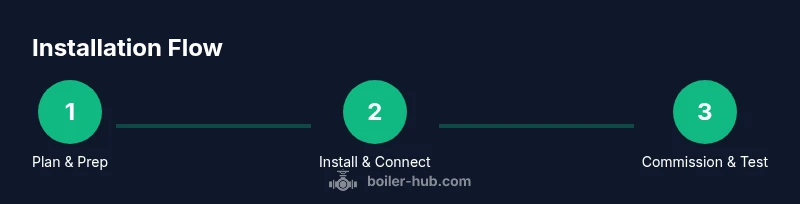
Installing a boiler heating system starts with solid planning and strict safety discipline. Begin by identifying the correct boiler type for your home (combination, system, or heat-only) and confirm the fuel source (gas, oil, or electric). Check local codes for permits, venting requirements, and combustion air needs. Schedule a professional inspection if you’re uncertain about existing gas lines, electrical panels, or the chimney. A thorough load assessment and a realistic design layout reduce the risk of undersized or oversized equipment, which can waste energy and shorten boiler life. Throughout planning, log references to clearances, vent paths, and service access so maintenance is straightforward later. This approach follows Boiler Hub Analysis, 2026, which emphasizes safety compliance and proper planning as the foundation of any boiler installation.
System design and component selection
Choosing the right boiler involves matching heat output to your home, considering fuel type, efficiency, and future needs. Common options include combi boilers (heat on demand with domestic hot water), system boilers (primarily for multiple radiators with a separate hot water cylinder), and heat-only boilers (simpler but often paired with an indirect water heater). Evaluate efficiency ratings (AFUE or ERP values) to minimize operating costs over time. Pair the boiler with a compatible circulator, expansion tank, air separator, pressure relief valve, and a properly sized flue or vent. Don’t skip controls—the thermostat, zone valves, and outdoor reset controls help optimize performance and comfort. Proper design reduces energy waste and improves reliability, as noted in Boiler Hub’s practical guidance for new installations.
Workspace safety, permits, and compliance
Before any bolt is turned, secure a clean, well-lit workspace with adequate ventilation. Confirm that permits are obtained and that inspections are scheduled as required by your local authority. Install CO detectors near sleeping areas and a smoke detector for early warning of combustion byproducts. Ensure access to shut-off valves, electrical disconnects, and service panels. If you’re replacing an old boiler, verify that the existing flue is suitable for the new unit and that clearances meet manufacturer specs. Safety and compliance are non-negotiable for gas-fired systems and are essential for safe operation and insurance coverage.
Tools, materials, and workspace setup
Accurate tool selection and organized materials prevent delays. Key tools include a set of pipe wrenches, a pipe cutter and deburring tool, PTFE tape or pipe sealant, copper/PEX piping and fittings, a multimeter, and appropriate PPE. Essential materials include the boiler unit, venting/ flue kit, gas or electrical supply components, expansion tank, air separator, condensate line, and thermostatic controls. Create a dedicated work area with clear staging space for parts, secured waste disposal, and a connected power source. Label all connections and keep manufacturer installation manuals within reach for reference during critical steps. A tidy, well-documented workspace reduces errors and improves safety.
Installation considerations by fuel type and location
Gas boilers require proper gas line installation, venting through a chimney or approved exhaust system, and combustion air provisions. Electric boilers involve straightforward electrical connections but still demand correct circuit sizing and GFCI protection. Oil boilers demand a secure oil line and proper burner alignment. In all cases, maintain proper clearance around the unit for maintenance and service access, and install in a location with dry, non-corrosive conditions. If you’re in a tight space or a multi-unit building, plan for future expansions and zoning. Follow manufacturer guidelines and local codes to ensure safe, efficient operation.
Commissioning, testing, and initial start-up
Commissioning covers leak testing, pressure checks, and verifying proper flame or electric heating operation. Purge air from the loop, fill the system to the correct pressure, and check for leaks at every joint. Bleed radiators or baseboard heaters to remove trapped air, then perform a cold and warm-up sequence to confirm even heat distribution. Validate thermostat controls, outdoor reset (if installed), and zone valve operation. After the first run, monitor for unusual noises, pressure drift, or CO detector alerts. Proper commissioning reduces call-backs and ensures long-term reliability.
Maintenance mindset for long-term reliability
Post-install maintenance is essential for energy efficiency and safety. Schedule annual professional servicing that includes combustion analysis (for gas/oil systems), boiler cleanout, actuator and pump checks, and vent/condensate line inspections. Regularly check pressure gauges, bleed radiators, and top up system water as required. Keep a maintenance log with dates, readings, and any part replacements. Early detection of corrosion, leaks, or cycling issues helps prevent costly breakdowns and maintains peak performance.
Tools & Materials
- Boiler unit (new)(Ensure model matches heat output and fuel type)
- Venting and flue kit(Match to boiler type and local code)
- Gas shut-off tool and non-sparking flashlight(For gas boilers; essential safety access)
- Pipe wrenches (set)(Adjustable, 8-12 inch recommended)
- Pipe cutter and deburring tool(For copper/PEX piping)
- PTFE tape and pipe sealant(Use appropriate sealant per code)
- Copper/PEX piping and fittings(Sizing must support system pressure)
- Air separator and expansion tank(Prevent air locks and pressure fluctuations)
- Condensate trap and drainage hose(Prevent backflow and spills)
- Thermostat, zone valves, and controls(For temperature zoning and efficiency)
- Electrical supplies (conduit, wire, connectors)(Ensure GFCI/proper protection where required)
- Multimeter and manometer(Electrical and pressure checks)
- Personal protective equipment (PPE)(Gloves, eye protection, and hearing protection)
Steps
Estimated time: 4-8 hours
- 1
Shut off utilities and plan
Turn off gas or electricity to the existing boiler, shut off the water supply, and drain the loop as needed. Review the layout and route for new piping, venting, and electrical connections. Ensure all safety devices are accessible and labeled before starting.
Tip: Double-check that the boiler room has adequate ventilation and that CO detectors are installed. - 2
Remove old boiler and prepare mounting space
Disconnect existing connections, remove the old unit, and clean the mounting area. Install a stable mounting bracket or pad if required, and verify clearances according to the new unit’s manual.
Tip: Take photos of existing plumbing and wiring for reference during reassembly. - 3
Install venting, flue, and combustion air provisions
Fit the venting kit to the new boiler, ensuring airtight seals. If required, upgrade the chimney or exhaust outlet per code. Provide adequate combustion air as specified by the boiler and room dimensions.
Tip: Never reuse an old vent with a new boiler unless the manufacturer approves it. - 4
Connect water, gas or electrical supply and condensate line
Run the cold feed and return lines, install the expansion tank and air separator, and connect the condensate drain. For gas, attach the gas supply and ensure tight, code-compliant joints; for electric, verify correct circuit protection and wire sizing.
Tip: Check all joints twice; a small leak can cause big problems later. - 5
Wire the controls and integrate with thermostat
Connect power, the boiler interlock, and the control wiring to the thermostat or zone sensors. Program basic settings and link any outdoor reset or weather compensation features if present.
Tip: Label every wire and keep the installation manual handy in case of future servicing. - 6
Fill, purge, test, and commission
Fill the system with water to the recommended pressure, purge air from loops, and check for leaks. Start the boiler and monitor flames or heating element operation, verify safety devices, and confirm proper heat delivery.
Tip: Record start-up pressures, temperatures, and any adjustments for future service.
Questions & Answers
Do I need a permit to install a boiler heating system?
In most jurisdictions, a permit is required for boiler installation. Local codes govern venting, gas supply, electrical work, and combustion safety. Obtain approvals before starting to avoid fines or unsafe installations.
Most areas require a permit for boiler installation; check with your local building department before you begin.
Can I install a boiler myself if I have basic plumbing experience?
Gas boilers typically require a licensed professional due to combustion hazards and venting rules. Electric and some sealed systems may be DIY-friendly but still demand careful adherence to code and safety.
Gas boilers usually need a licensed pro, but some electric systems may be installed by confident DIY enthusiasts who follow code and safety practices.
What safety checks should I perform after installation?
Check for leaks at all joints, verify proper gas pressure and flame (or electrical resistance), test CO detectors, and confirm radiators heat evenly. Document readings for future service.
Inspect all joints for leaks, test CO detectors, and ensure radiators heat evenly after startup.
How long does installation typically take?
Time varies with system complexity, existing piping, and fuel type. Plan for a multi-hour process, typically several hours to a full day when removing old equipment and commissioning the new unit.
Expect several hours to a full day, depending on complexity and whether an old boiler is being removed.
What maintenance is required after installation?
Schedule annual professional servicing, bleed radiators as needed, check pressure and expansion tank, and inspect vents and condensate lines. Keep service logs for warranty and performance tracking.
Annual professional service, regular bleeding, and system checks keep the boiler efficient and safe.
Which boiler type should I choose for a small home?
A compact combi boiler is common for small homes needing both heat and hot water, while a system boiler suits homes with multiple radiators. Choose based on hot-water demand and space.
For small homes, a combi boiler is typical; if you have many radiators, a system boiler may be better.
Key Points
- Plan thoroughly before starting installation.
- Match boiler type and fuel to your home’s needs.
- Prioritize safety: permits, venting, CO detectors, and shut-offs.
- Commission carefully to prevent leaks and excessive cycling.
- Schedule annual maintenance for long-term reliability.