Cost to Replace a Gas Boiler: A Homeowner's Guide
Learn the cost to replace a gas boiler, including factors, regional price ranges, and practical savings tips. Based on Boiler Hub Analysis, 2026.


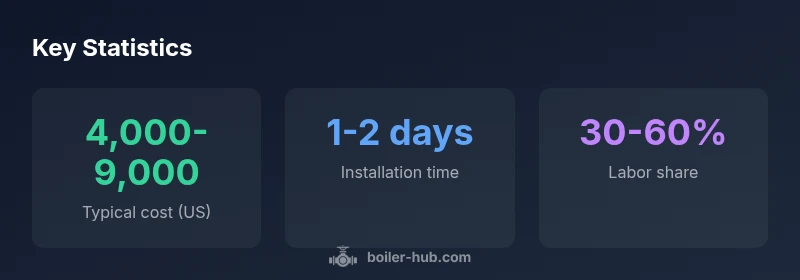
According to Boiler Hub, the cost to replace a gas boiler typically ranges from $4,000- $9,000 in the U.S. (or £2,500-£5,000 in the U.K.), depending on boiler type and installation complexity. That range accounts for labor, disposal of old equipment, venting, and basic permits. Higher-efficiency models and upgrades can push costs higher. See more details in our full guide.
Cost drivers and regional variation
The total cost to replace a gas boiler is not a single number; it reflects a constellation of decisions, local labor rates, and regulatory requirements. In general, the price you’ll see includes the boiler unit, installation labor, venting and flue work, removal of the old boiler, disposal, and any necessary permits or safety checks. Regional differences in energy costs, wage levels, and materials can tilt the final figure. According to Boiler Hub, the national ranges commonly cited in 2026 reflect wide variations between urban and rural areas as well as between countries. For homeowners evaluating options, a clear mapping of what’s included in a quote helps avoid sticker shock. When you compare bids, ensure they cover boiler type, warranty terms, and any required gas-safety testing.
Understanding the specific components that influence price—such as venting, gas-line modifications, and old-unit removal—helps you ask precise questions of installers and avoid unexpected costs later. In practice, your quotes should itemize: the boiler model, any additional hardware, labor charges, and post-install tests. This transparency is essential for accurate budgeting and for comparing apples-to-apples bids.
Boiler Hub’s perspective (2026) emphasizes that the regional context matters: cities with higher living costs and stricter permits typically show higher overall prices, while rural areas may be more affordable. If you’re planning a replacement, start with a needs assessment (hot water demand, radiator capacity, future expansion) and then obtain quotes that separate equipment costs from labor and ancillary work. This approach makes it easier to adjust the plan without derailing the budget.
Choosing the right boiler type and its impact on total cost
The two most common residential options are combi boilers and system boilers. Combi boilers tend to have lower upfront costs because they don’t require a separate hot water cylinder, making them attractive for smaller homes or where space is tight. System boilers, paired with a hot water cylinder, are often preferred for households with higher simultaneous hot water demand but come with higher hardware costs. The choice can swing the total installation price by roughly one-thousand to several thousand dollars, depending on boiler efficiency, brand, and compatibility with existing radiators. Efficiency ratings—such as A-rated models—can reduce running costs over time, potentially balancing higher upfront outlays. When estimating, include future needs (e.g., additional bathrooms or smarter controls) that might push you toward a different model.
Hidden costs to budget for when replacing a gas boiler
Beyond the boiler price, several line items frequently surprise buyers. Gas-supply modifications or upgrades to gas lines may be required; venting and flue work can involve masonry or chimney work; removal and disposal of the old unit may incur fees; some installations require new radiators or accessory upgrades. Permits, clearance checks, and post-installation safety testing add to the price. If your home requires space modifications or a new condensate drainage system, factor those costs in. A thorough quote should itemize all these components so you can compare apples to apples.
Ways to save on replacement costs
Shop around and obtain multiple quotes from licensed installers. Ask about bundled warranties, service plans, or financing options that reduce up-front costs. Consider a slightly lower-efficiency model if your home’s demand is moderate, but balance this with longer-term energy savings. Replacing an old, inefficient system at the same time as other upgrades (insulation, smart thermostats) can reduce overall operating costs. Request a written plan showing required venting, gas lines, and any necessary hardware changes to prevent costs from creeping up later.
Installation timeline and what to expect
Most gas boiler replacements are completed within 1–2 days, depending on the extent of venting, gas-line work, and whether your heating-radiator layout requires changes. The first day often focuses on removing the old boiler, running new gas lines, and installing the new unit. The second day typically covers commissioning, safety checks, and programming controls. In some cases, unexpected issues arise, delaying the project; expect a buffer in your schedule and budget. Clear communication with the installer reduces surprises.
Regional considerations: US vs UK and beyond
This topic varies by location. In the United States, labor rates, permit costs, and gas-safety testing influence the final price; in the United Kingdom, additional costs may include boiler registration or energy efficiency incentives. Regardless of country, the decision should hinge on system compatibility, long-term energy costs, and warranty coverage. A professional assessment from a licensed technician remains essential to confirm the exact cost to replace a gas boiler for your home.
Representative replacement costs by boiler type
| Boiler Type | Typical Cost Range (US) | Typical Cost Range (UK) | Key Cost Drivers |
|---|---|---|---|
| Combi boiler | 4,000-7,500 | 2,500-4,000 | Installation complexity; venting; old unit removal |
| System/regular boiler | 5,000-9,000 | 3,000-5,000 | Additional components; hot water cylinder; install labor |
Questions & Answers
What factors most affect the cost to replace a gas boiler?
Multiple variables drive the price: boiler type and efficiency, venting and gas-line needs, removal of the old boiler, disposal costs, permits, and local labor rates. Each bid should break out these components so you can compare apples to apples.
The main cost drivers are the boiler type and installation work. Ask for a line-by-line quote.
Can I install a new gas boiler myself to save money?
No. Building codes and safety concerns generally require a licensed professional for gas boiler installation. DIY work can void warranties and create hazards.
Don’t try this at home—get a licensed installer.
How long does boiler replacement typically take?
Most replacements take 1–2 days, depending on venting, gas-line work, and whether radiators need modifications. Some projects may run longer if complications arise.
Usually one to two days.
Are there incentives to help cover replacement costs?
Some regions provide rebates, tax credits, or utility incentives for upgrading to more efficient boilers. Availability varies by location and boiler model.
Check local programs before you begin.
What’s the cost difference between combi and system boilers?
Combi boilers are often cheaper upfront due to not needing a hot water cylinder, while system boilers with a cylinder can be more expensive but may better suit higher hot-water demands.
Combi is usually cheaper upfront, but your hot-water needs matter.
“A gas boiler replacement is as much about the install as the unit itself; proper venting, gas line work, and safety checks protect long-term performance.”
Key Points
- Budget for the full replacement (not just the unit).
- Get multiple quotes that itemize labor and parts.
- Account for regional permit and safety testing costs.
- Choose boiler type based on hot-water needs and space.
- Plan for potential additional upgrades (insulation, controls).