Can You Move a Boiler? A Practical Guide for 2026 Homes
Explore whether you can move a boiler, required permits, safety checks, and typical costs. Boiler Hub guides homeowners and facility managers through a compliant relocation in 2026.


What moving a boiler involves
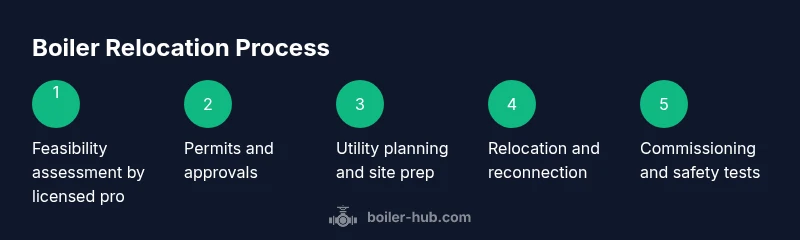
Moving a boiler is not a small home improvement project. It requires a professional assessment of the current installation and the proposed new location, with an eye toward load-bearing capacity, gas supply integrity, electrical clearance, and venting constraints. According to Boiler Hub, moving a boiler is feasible when the site change does not compromise safety or code compliance. Expect to examine the routing of gas lines, condensate drainage, and flue integrity, as well as clearances around doors, cupboards, and service panels. The process also involves coordinating with your building management, local authorities, and your utility providers if you rent or live in a multi-occupancy building. Planning is essential to avoid unsafe configurations, backdraft risks, or restricted access for future servicing. The most important early step is a formal feasibility check by a licensed professional who can identify hidden constraints and outline a compliant path forward.
In practice, you’ll need to account for the existing boiler’s weight, the pathway to the new spot, and whether relocation would require structural changes or extra supports. If the boiler is connected to hot-water radiators or underfloor heating, consider how the move could affect system balance and boiler efficiency. Because boilers operate under pressure and involve gas, electrical, and sometimes ventilation systems, you should not attempt any relocation yourself. A trained engineer will verify gas tightness, inspect joints, and test for leaks after the move. This block sets the stage for the rest of the guide by highlighting the core risks, dependencies, and decisions you’ll face when contemplating a boiler relocation.