How to Increase Boiler Efficiency: Practical Guide
Learn practical steps to boost boiler efficiency, reduce heat losses, and save energy. This Boiler Hub guide covers maintenance, controls, insulation, and safe troubleshooting.


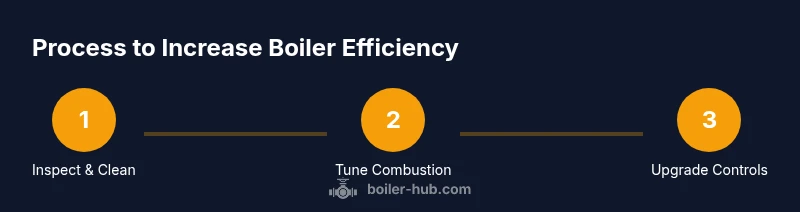
Increase boiler efficiency by optimizing combustion, upgrading controls, and improving insulation. This guide outlines practical steps you can implement this week, plus maintenance routines to keep efficiency high over time. Key objectives include reducing heat losses, balancing fuel-to-air ratio, and selecting the right boiler controls for your system. Today we cover practical, executable actions.
Why boiler efficiency matters
According to Boiler Hub, improving boiler efficiency yields meaningful reductions in energy use, operating costs, and environmental impact. When you ask how to increase boiler efficiency, you're seeking practical actions that minimize heat losses and optimize fuel combustion without compromising comfort or safety. In most heating systems, heat escapes through the boiler jacket, flue, condensate returns, and poorly insulated piping. By focusing on a holistic view of the system, you can capture gains that accumulate over seasons and years rather than during a single service call.
Efficient operation begins with understanding how your particular boiler converts fuel into usable heat. Combustion efficiency depends on the fuel-air balance, burner cleanliness, and proper venting. Thermal efficiency reflects how well the hot gases transfer energy to the water and how much heat is carried away by flue gases. For facility managers, the biggest returns come from reducing standby losses, preventing unnecessary cycling, and recovering heat where possible. The Boiler Hub team notes that combining a disciplined maintenance routine with targeted upgrades often multiplies savings, especially when paired with modern controls and accurate monitoring. In short, raising efficiency is not a single adjustment but a staged program that addresses combustion, insulation, controls, and regular service.
Key factors affecting efficiency
There are several levers that determine how efficiently a boiler runs in real-world conditions. The type and condition of the boiler itself matter: condensing models can extract more heat from exhaust, provided venting and returns are properly managed. System design, including piping layout and return water temperatures, directly affects how much energy is lost before it heats space or water. Insulation quality around the boiler and its pipework reduces radiant and conductive losses. Control sophistication—thermostats, outdoor reset, and modulating burners—lets the boiler respond to demand without wasting energy. Boiler Hub analysis shows that addressing heat losses at both the boiler and the loop significantly influences real-world performance. Finally, regular maintenance keeps components clean and calibrated, ensuring the system operates as designed and delivers consistent gains across seasons.
Prudent maintenance routines that move the needle
Maintenance is a proven path to sustained efficiency. Start with a clean burner and heat exchanger; deposits reduce heat transfer and raise stack temperatures. Inspect seals, gaskets, and vent connections for leaks that waste energy or create safety risks. Verify pressure and temperature settings align with your climate and load, and follow the manufacturer's maintenance schedule. In addition to annual professional service, implement simple routines: visually inspect insulation, bleed radiators as needed, and confirm condensate returns are free of obstructions. Quick checks after cold starts or heavy use help catch inefficiencies early. Regular, proactive maintenance keeps the boiler responding predictably to demand and extends equipment life while protecting occupants.
Combustion optimization: air-fuel balance and burner health
Efficient combustion is foundational to boiler performance. Validate the air-to-fuel ratio with a combustion analyzer to ensure the burner is delivering the right mix for your fuel type. A clean, well-tuned burner produces a stable flame, minimizes unburned fuel, and reduces exhaust energy losses. Inspect burners and heat exchangers for wear or fouling, and clean or replace components as needed. Venting integrity matters too: improper venting increases backpressure and reduces efficiency. Ensure seals around the burner door and flue are intact. For modulating burners, verify that the modulation range matches system load and that the control logic responds smoothly to changes in demand.
Insulation, heat recovery, and system losses
Reducing heat losses often yields more than a single equipment upgrade. Improve insulation on the boiler jacket, piping, and exposed heat-transfer surfaces, and seal any cold spots along the line. Consider heat recovery strategies such as an economizer or condensate heat exchanger where feasible, as these recover energy from exhaust to preheat feedwater. Check pump efficiency and valve positions; an oversized pump wastes energy, while a properly sized pump runs more efficiently and with less heat loss. The goal is to keep heat where it belongs—inside the water that heats your system—rather than leaking into the surrounding space.
Controls and modern technology: modulating burners, outdoor reset, and condensing advantages
Modern controls offer substantial efficiency gains without major hardware changes. A modulating burner adjusts output to match load, avoiding wasteful cycling. Outdoor reset or weather-compensation strategies tailor the supply water temperature to outdoor conditions, reducing overshoot and wear on the system. Pair these controls with an appropriately sized boiler and you’ll achieve steadier temperatures and lower fuel use. If upgrading is on the table, condensing boilers paired with compatible controls can deliver meaningful gains when installed with proper return temperatures and venting. Always verify compatibility, compliance with codes, and plan for routine sensor calibration and control maintenance.
Practical case scenarios and quick wins
In many homes and small facilities, quick wins include sealing leaks in the boiler room, improving insulation on exposed pipes, and cleaning a dirty burner or clogged heat exchanger. For radiator systems, ensure fine balancing so each zone receives the correct flow and the boiler doesn't overheat a return line. If the system runs hot at times, investigate piping layout, pump performance, and valve settings. Track energy use and heat output before and after changes to verify gains. A combination of insulation upgrades, control optimization, and regular maintenance typically yields the best, durable improvements.
Safety considerations and when to call a pro
Boilers operate with high temperatures, pressure, and combustible fuels. Always follow safety protocols and local codes. If you detect gas leaks, unusual odors, weak or absent flame, or persistent fault codes, stop work and contact a licensed technician. Do not attempt significant combustion or venting work without proper training. Routine maintenance and calibration tasks are generally within reach for knowledgeable homeowners, but major upgrades or replacements should involve qualified professionals to protect people and property.
Tools & Materials
- Combustion analyzer(Used to measure oxygen, CO2, and combustion efficiency; ensure proper calibration.)
- Digital manometer or pressure gauge(Check burner pressure and combustion chamber pressure; use with care.)
- Thermometer or temperature sensors(Monitor supply and return temperatures; verify readings for accuracy.)
- Insulation materials for boiler and piping(Wrap exposed surfaces; ensure coverage without restricting access panels.)
- Owner's manual or boiler spec sheet(Reference recommended settings and maintenance intervals.)
Steps
Estimated time: Estimated time: 3-6 hours
- 1
Inspect and clean the boiler and burner
Power down the system and allow it to cool. Wipe down the burner face and heat exchanger to remove dust and soot. Check gaskets and doors for leaks and ensure venting paths are clear. Cleaning improves heat transfer and reliable ignition.
Tip: Wear PPE and use manufacturer-recommended cleaning agents; never disassemble heat-exchanging components beyond guidance. - 2
Measure and optimize combustion with a analyzer
Connect the combustion analyzer to verify the air-to-fuel ratio across operating loads. Note readings at low, medium, and high demand if possible. Adjust the burner for a clean flame and balanced oxygen levels to reduce energy waste.
Tip: Take multiple readings under different loads to set a flexible, safe operating window. - 3
Check for leaks and secure connections
Inspect gas lines, fittings, and vent connections for signs of leaks or corrosion. Tighten joints as needed and replace damaged seals. A small leak costs energy and can create safety hazards.
Tip: Use soapy water to detect small leaks; if detected, shut down the system and contact a professional. - 4
Improve insulation of boiler and piping
Add or replace insulation around the boiler jacket and exposed piping, focusing on returns and long runs to radiators. Proper insulation reduces standby losses and keeps heat where it belongs.
Tip: Check for gaps or compression in insulation; seal seams with manufacturer-approved materials. - 5
Optimize controls and setpoint strategy
Review thermostat schedules, outdoor reset settings, and, if available, modulating setpoints. Align control logic with building loads to minimize overshoot and short-cycling.
Tip: Test control responses by simulating demand changes and watching how quickly the boiler adapts. - 6
Implement heat recovery and potential upgrades
Evaluate opportunities for energy recovery, such as economizers or condensate heat exchangers. If feasible, plan for upgrades in stages to spread costs and downtime.
Tip: Consult a pro to determine if a heat-recovery solution will pay back within your usage pattern. - 7
Purge, test, and document results
After adjustments, purge the system and recap pressure/temperature readings. Document baseline versus post-change energy and heat delivery to verify gains.
Tip: Keep a simple log of readings and changes for future maintenance. - 8
Schedule ongoing maintenance and monitoring
Set reminders for annual professional service, periodic inspections, and sensor calibration. Sustained efficiency requires consistent oversight and timely corrective actions.
Tip: Establish a maintenance calendar and assign responsibilities to keep the plan on track.
Questions & Answers
What is boiler efficiency?
Boiler efficiency is the ratio of useful heat delivered to the energy input, accounting for losses in the exhaust, standby periods, and heat transfer. Improving efficiency reduces wasteful energy use and lowers operating costs.
Boiler efficiency is how effectively the boiler turns fuel into usable heat, while minimizing waste from exhaust and idle periods.
Can I improve boiler efficiency without replacing my boiler?
Yes. Maintenance, insulation, and smarter control strategies can yield noticeable improvements. The extent depends on your current setup and usage patterns.
Yes. Regular maintenance, insulation improvements, and smarter controls can boost efficiency without a full replacement.
Is a condensing boiler always better?
Condensing boilers recover additional heat from exhaust, improving efficiency when return temperatures are kept low enough. Benefits depend on system design, venting, and the rest of the installation.
Condensing boilers often offer higher efficiency, but the gains depend on the whole system and return temperatures.
How often should I service my boiler?
Most systems benefit from an annual professional service. Additional checks during the heating season help catch issues early and maintain efficiency.
Annual professional service is common, with extra checks if you notice issues.
What simple steps can homeowners take today?
Clean the burner and heat exchanger, seal leaks, insulate exposed pipes, and confirm thermostat schedules are optimized for energy savings.
Clean the burner, seal leaks, insulate pipes, and set smart thermostat schedules.
Watch Video
Key Points
- Identify and fix heat losses first
- Proper combustion tuning yields meaningful gains
- Controls and insulation provide durable improvements
- Regular maintenance sustains long-term efficiency