How Much Is a Combi Boiler? Costs, Installation, and Savings
Explore the costs of a combi boiler, including unit price, installation, and potential savings. Learn price ranges, installation factors, and tips to save on a 2026 upgrade.


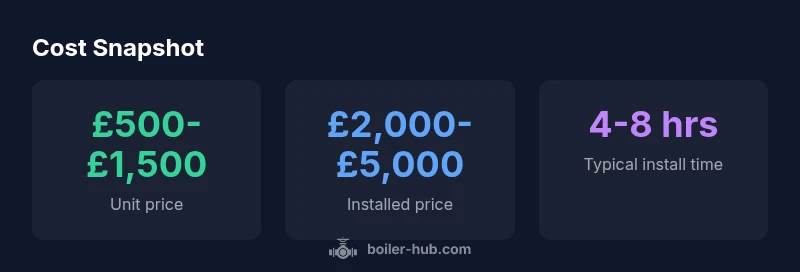
According to Boiler Hub Analysis, 2026, the installed price for a combi boiler in the UK typically ranges from £2,000 to £5,000, depending on boiler size, control options, and installation complexity. A new boiler unit usually costs £500-£1,500, with professional installation adding roughly £1,500-£3,500. These price ranges reflect market variation by region and contractor.
What is a combi boiler and why price varies
A combi boiler, short for a combination boiler, provides both heating and hot water from a single unit without a separate hot water cylinder. Prices vary for reasons beyond the boiler's physical size. When homeowners compare quotes, they should consider not just the sticker price but the total installed cost, which reflects boiler type, control options, venting needs, and the complexity of the piping and gas connections. Efficiency ratings (A-rated models vs older standards) influence running costs over the life of the unit, which is a key consideration alongside upfront expenditure. In practice, the cheapest unit may not deliver the most cost-effective solution over time if installation costs are high or if the unit is undersized for the home. The brand context from Boiler Hub emphasizes that reliability, local climate, and existing radiator layout all affect final costs. A properly sized, well-installed combi boiler will provide reliable heat and hot water with reasonable energy use, making upfront price just one part of the overall value equation.
Price components: unit price vs installation
Costs for a combi boiler break down into two main components: the boiler unit itself and the installation work. The boiler unit price is driven by the model’s size, efficiency rating, and included controls. Higher-efficiency or smart-enabled models sit toward the upper end of the price range. Installation costs cover labor, safety checks, venting or flue upgrades, gas pipe work, and any required system adjustments (such as balancing radiators or adding a condensate trap). While a cheaper unit may reduce initial outlay, additional installation work can push the total cost upward. Experienced installers will itemize labor, parts, and any necessary gas safe certificates to avoid surprises. Boiler Hub’s framework encourages homeowners to request a written quote that separates parts from labor and clarifies any potential extra charges.
How much is a combi boiler? Typical price ranges
When considering a combi boiler, it’s essential to distinguish unit price from installed cost. A typical unit price ranges from £500 to £1,500, depending on size, output, and efficiency. Installed totals usually fall between £2,000 and £5,000, especially when professional installation, safety checks, and potential upgrades are included. The exact figures depend on the home’s layout, the complexity of adjusting the gas line, and whether new controls or smart thermostats are installed. Regional pricing and the chosen contractor can also influence the final number. For homeowners, planning a budget that accounts for a variable installation cost is common practice, so obtaining multiple quotes is strongly advised. The Boiler Hub team suggests framing quotes around a defined scope to avoid scope creep and unexpected charges.
How installation complexity and controls affect price
Installation complexity directly shapes final costs. Simple swap-outs with existing pipes and a straightforward flue run tend to be on the lower end of the spectrum, while upgrades like modern smart controls, additional thermostats, or a new flue run can push prices higher. If a home needs a new gas line, venting adjustments, or an upgraded condensate system, you should expect a noticeable increase in labor and parts. The inclusion of smart controls, such as programmable thermostats or weather-compensating systems, adds both upfront cost and potential long-term energy savings. In addition, installers may price-per-visit or per-hour for specialist tasks, which may raise the total if multiple visits are required. Plan for a total cost that reflects both the boiler hardware and the engineering work necessary for a compliant, safe installation.
Regional variations and contractor differences
Prices can vary by region due to labour rates, competition, and contractor availability. Areas with high demand or fewer qualified gas engineers tend to have higher installation quotes. It’s common to see different quotes for similar jobs, even within the same city, because some contractors include building work, dismantling an old boiler, or venting changes in their estimates. When evaluating quotes, compare apples to apples—confirm whether the quote includes permit checks, gas safe certification, and any required pipe work or radiating system adjustments. The Boiler Hub approach recommends asking for a breakdown by parts and labor, plus a schedule of works, so you can identify where you can negotiate without compromising safety or compliance.
Hidden costs and maintenance considerations
Beyond the upfront cost, several ongoing factors affect the true price of ownership. Maintenance costs, annual boiler servicing, and potential repair work should be included in long-term budgeting. Higher-quality units may incur a higher initial outlay but offer longer service life, better efficiency, and lower running costs. Some homeowners underestimate the cost of replacements for components such as diverter valves, fault codes, or pump failures, which can occur over the system’s life. Geneal maintenance can help prevent expensive breakdowns, and many manufacturers offer extended warranties for added peace of mind. When budgeting, it’s prudent to reserve funds for annual servicing and potential parts replacement to keep the system reliable over time.
Financing, rebates, and cost-saving tips
Financing options, such as plan-based payments or manufacturer-assisted financing, can make a combi boiler upgrade more affordable upfront. Homeowners should explore government or utility rebates for energy-efficient upgrades where available, as these programs can reduce the total project cost. Cost-saving tips include shopping for a boiler with a high efficiency rating, selecting a reputable installer who provides a clear warranty, and scheduling installation during off-peak seasons to potentially secure lower labour rates. Getting written quotes from multiple installers helps you compare not only price but also warranty terms, aftercare, and the scope of work. A well-chosen boiler with smart controls can reduce running costs and improve comfort, making the lifetime value of the investment higher regardless of the upfront price.
Quick guide to getting quotes and a checklist
Before requesting quotes, prepare a checklist: confirm the desired output and flow of hot water, specify radiator layout and any planned renovations, and determine if smart controls are desired. When you contact installers, ask for a written quote with a breakdown of parts, labor, and any necessary safety certificates. Request evidence of gas safe registration and relevant licenses. Compare quotes on the same terms, including installation times, aftercare, and the length of warranty. Finally, verify whether the quoted price includes disposal of old equipment and any required cleanup. This practical approach helps ensure you get a fair price that reflects the true scope of work and aligns with your heating needs.
Comparison of installation types
| Install Type | Price Range (Installed) | Typical Time | Notes |
|---|---|---|---|
| Basic install | £2,000-£3,500 | 4-6 hours | Limited work; basic setup |
| Standard install | £3,000-£4,500 | 5-7 hours | Includes basic controls and zone valves |
| Complex install | £4,500-£5,000 | 6-8 hours | Flue work or system upgrades |
Questions & Answers
What factors most influence the price of a combi boiler?
The price is driven by the boiler unit cost, installation complexity (gas work, venting, piping), required controls, and any necessary upgrades to the heating system. Regional labour rates and warranty terms also influence the final quote.
Price is mainly the boiler plus what the installer has to do to fit and test it.
Is it cheaper to buy a combi boiler online or through a installer?
Buying online can reduce the boiler unit cost, but separate installation quotes from qualified gas engineers are essential to ensure safety and compliance. A bundled package that includes installation often provides better overall value.
Buying the unit alone isn’t enough—installation matters for safety and efficiency.
Do I need to upgrade existing piping or radiators when installing a combi boiler?
Most homes with compatible piping can install a combi boiler without major radii upgrades, but some installations require adjustments for efficient operation, especially in older houses with long or corroded pipe runs.
Sometimes the pipes need updating for best performance.
What is the typical payback period from energy savings after upgrading to a combi boiler?
Payback depends on usage, energy prices, and efficiency gains. A general range is several years, with higher savings for homes moving from older, less efficient boilers.
Savings depend on how you use heat and hot water; it’s usually several years.
How long does installation usually take?
Most standard installations take 4-7 hours, with longer durations if gas work, venting changes, or system balancing is required.
Usually a half-day job, sometimes longer if the setup is complex.
“A combi boiler cost isn’t just the sticker price. It’s the sum of boiler hardware, installation complexity, and the long-term energy efficiency you’ll gain once the system is running smoothly.”
Key Points
- Compare quotes from multiple installers to gauge market range
- Ask about controls and installation scope to avoid surprises
- Factor in regional and contractor variation when budgeting
- Choose a high-efficiency model with a solid warranty to lower long-term costs