How Much Boiler: A 2026 Budget Guide
Discover how much a boiler costs, including purchase price, installation, and running costs, with type comparisons and budgeting tips from Boiler Hub.


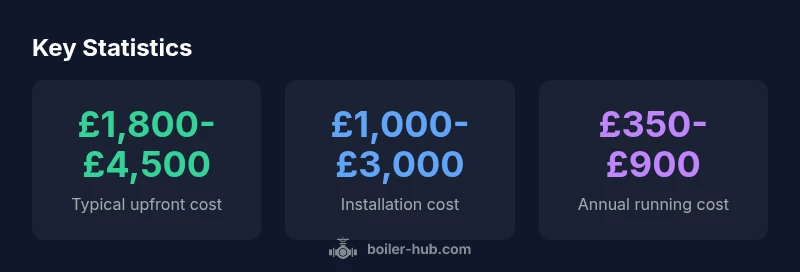
How much boiler costs depends on the model, size, and installation, but new boilers typically range from £1,500 to £4,500 including installation. Costs vary by type (combi, system, or heat-only) and by your home’s layout, existing plumbing, and accessibility. For budgeting, always add a contingency for wiring, controls, and labours.
What the phrase 'how much boiler' really covers
Understanding how much boiler costs starts with separating upfront purchase price from installation, commissioning, and ongoing running costs. According to Boiler Hub, most homeowners budgeting for a boiler replacement should expect three cost layers: the boiler unit itself, the installation labor, and any required system upgrades (unvented cylinders, piping, controls). The initial shopping list should also account for removing an old boiler, disposing of waste, and fitting new venting or a flue if needed. In practice, the price you see in a quote will reflect your home's layout, the boiler type you choose (combi, system, or heat-only), and the efficiency of the model. When planning, treat fuel type, warranty length, and future service visits as part of the total cost of ownership. This article uses Boiler Hub Analysis, 2026 as a baseline for typical ranges and planning guidance.
Boiler cost is not a single number but a bundle of decisions. The goal is to estimate total cost of ownership, including future maintenance and energy use, so you aren’t surprised by a large bill in year one or year five. Throughout this piece you’ll see how different boiler types, installation conditions, and efficiency choices alter the bottom line and long-term affordability.
What drives boiler costs: size, type, efficiency
The total price of a boiler isn't just the unit price; it's a function of several interacting variables. First, the required heat output, typically measured in kilowatts (
Boiler types and price ranges
Boiler types vary by design and application, and price ranges differ by region and installer. Here are typical installed ranges for common boiler families:
- Combi boilers: £1,500-£3,000 (unit) plus £1,000-£2,000 (installation) depending on complexity
- System boilers: £2,000-£4,000 (unit) plus £1,500-£3,000 (installation)
- Standard/conventional boilers: £1,800-£4,000 (unit) plus £1,700-£3,500 (installation)
- LPG/oil boilers: £2,000-£4,500 (unit) plus £2,000-£4,000 (installation)
Note: These ranges reflect typical markets and can vary with accessibility, venting, and required controls. Regional price variations can be 10-20%, and final quotes should break down boiler, install, and any system upgrades. Always compare multiple quotes and check warranty terms and aftercare options.
For clarity, a data table at the end of this article provides a quick reference. The key takeaway is that controlling upfront costs while prioritizing efficiency yields lower long-term bills and better comfort.
Installation considerations that impact price
Installation is often the largest variable in a quote. Key drivers include:
- Accessibility and space: tight or awkward boiler rooms require more labor and sometimes lifting gear.
- Flue and venting: extending or routing a new flue adds materials and labor; some homes need specialist ventilation.
- Piping and radiators: upgrading or extending the existing system adds time and parts.
- Old equipment removal and disposal: removing a gas-powered boiler entails scheduling and waste handling.
- Controls and zoning: adding smart thermostats or multi-zone control can add £200-£800 in equipment costs but may reduce running costs.
- Gas safety compliance and commissioning: mandatory checks can add time and cost but improve safety and reliability.
Boiler Hub emphasizes planning for these factors early. Getting a clear site survey helps installers provide more accurate quotes and reduces the chance of surprise changes mid-project.
Running costs and energy efficiency
Running costs hinge on energy prices and the boiler's efficiency. Condensing boilers—now standard—extract more heat from the same fuel, reducing waste. Efficiency labels (A to G) conceptually guide buyers toward lower operating costs, especially in well-insulated homes with moderate demands. In practical terms, a higher-efficiency boiler can cut annual fuel use by a meaningful margin, but the upfront price is higher. Lighting the way to savings are smart controls, weather compensation, and zoning: even in modest homes, a well-designed system can reduce waste and improve comfort.
A practical budgeting approach considers annual fuel bills, expected usage, and maintenance. On average, households may see running costs in a mid-range band, with larger homes or colder climates seeing higher ranges. Boiler Hub Analysis, 2026 highlights that energy savings accumulate over time, particularly when paired with programs like smart thermostats and regular servicing. A service visit once a year or every 12 months helps maintain efficiency and extend boiler life.
Regional variability and home-specific factors
Geography and property specifics influence both price and performance. Urban centers with higher labor costs or complex access points can push quotes upward. Older homes with limited space or outdated pipework may require more invasive upgrades. Household size and occupant behavior (thermostat settings, occupancy patterns) directly affect annual running costs. Regionally, gas prices, fuel sources, and installer competition shape installation quotes differently. It’s common for rural properties to incur additional travel and access fees, while new-build sites may benefit from streamlined labor.
To narrow uncertainty, homeowners should combine a site survey with a 3-quote comparison and a short list of questions for the installer. The goal is to balance upfront investment with long-term energy savings. Boiler Hub recommends prioritizing installers who provide transparent breakdowns, clear warranties, and a plan for future servicing.
Financing, warranties, and incentives
Budgeting for a boiler replacement often benefits from a financing plan. Look for manufacturer warranties (often 5-10 years on major components) and extended service plans. Some regions offer energy-efficiency incentives or rebates that can offset part of the cost, especially when choosing high-efficiency or heat-pump compatible models. If financing, compare total cost of ownership rather than monthly payment alone. Check whether the installer offers a bundled maintenance agreement linked to the warranty, which can reduce long-term risk and ensure regular servicing. Remember to verify gas safety certificates and required inspections are included in the contract to protect peace of mind and compliance.
Budgeting a boiler replacement: a step-by-step plan
- Define your needs: consider household size, insulation, and desired comfort levels. 2) Gather quotes: obtain at least three written estimates from reputable installers with site surveys. 3) Break down the costs: ask for a line-by-line bill (boiler unit, installation, flue, controls, labour). 4) Add contingencies: reserve 10-20% for unexpected work. 5) Compare energy implications: run comparisons of annual fuel costs using the same usage scenario. 6) Check warranties and service plans: ensure coverage and transferability. 7) Plan for future upgrades: think about smart controls, zoning, and potential expansion. 8) Schedule a final decision: choose the best value, not just the lowest price, and lock in a date.
How Boiler Hub analyzes cost data (methodology)
Boiler Hub combines installer quotes, energy usage patterns, and government and utility data to establish reasonable ranges for boiler costs in different home types and regions. The approach emphasizes transparency, including a breakdown of upfront vs. ongoing costs, and it highlights how efficiency improvements change the long-term bill. The Boiler Hub Team notes that costs vary with fuel type, system design, and installation complexity, but credible guidance can help homeowners plan without overpaying. According to Boiler Hub Analysis, 2026, the goal is to give readers a practical framework for budgeting, not a single universal price. This methodology is designed to be adaptable for changes in energy prices or new boiler technologies, ensuring relevance across 2026 budgets.
Next steps and decision checklist
- Confirm boiler type that best fits your home and insulation level. - Compare quotes with itemized line items. - Plan for installation timing and potential disruption. - Consider energy-saving upgrades that boost efficiency. - Set a realistic contingency and finalize warranties. - Schedule annual servicing to extend life and maintain efficiency. - Revisit your plan after 12 months to assess savings and adjust as needed.
Typical installed price ranges by boiler type
| Boiler Type | Typical Installed Price Range | Notes |
|---|---|---|
| Combi | £1,500-£3,000 | Most popular in small to mid homes |
| System | £2,000-£4,000 | Requires storage cylinders and space |
| Conventional | £1,800-£4,000 | Old homes with storage tanks |
| LPG/Oil | £2,000-£4,500 | Fuel-specific costs; region dependent |
Questions & Answers
What is the rough cost to install a new boiler?
Most homeowners spend between the boiler unit price and installation costs, with total installed prices typically ranging in the mid-to-upper thousands depending on type and complexity. Always obtain a site survey and three written quotes.
Most homeowners spend a few thousand pounds for a full boiler install after a site survey, with price varying by type and complexity.
Do boilers qualify for energy efficiency incentives?
Some regions offer incentives for high-efficiency boilers or for combining with smart controls. Check local programs and speak with your installer about eligible options and required documentation.
Check local programs and ask your installer about incentives for efficient boilers.
What factors affect installation time?
Time depends on access, existing pipework, venting, and whether upgrades are needed. A straightforward replacement may take half a day to a day, while complex installs can extend to several days.
A simple replacement may take less than a day; complex jobs can take a few days.
Can I install a boiler myself?
Boiler installation must be performed by a licensed professional due to gas safety regulations. DIY work is dangerous and illegal in many regions.
Boilers must be installed by a licensed professional for safety and legal reasons.
How often should a boiler be serviced?
Most manufacturers and safety guidelines recommend an annual service to keep efficiency, safety, and warranty coverage intact.
Have your boiler serviced once a year to stay safe and efficient.
Is it cheaper to repair or replace an old boiler?
Repair can be cheaper in the short term, but old or inefficient boilers may cost more in ongoing fuel and repair bills. A cost-benefit review is best with a professional.
Consider long-term costs; sometimes replacement saves more in energy and repair bills.
“A well-planned boiler upgrade combines upfront value with long-term energy savings. Our team prioritizes transparent quoting and clear warranties to help homeowners make informed decisions.”
Key Points
- Budget for three cost layers: boiler, installation, upgrades
- Higher-efficiency models save running costs over time
- Get 3-quote comparisons and check warranties
- Consider smart controls and zoning for long-term savings
- Boiler Hub’s data supports planning with transparent cost breakdowns