Combination Boiler and Hot Water Prices: A 2026 Guide
Explore the cost landscape for combination boiler and hot water heater installations, with regional price ranges, hidden fees, and strategies to save. Boiler Hub Analysis, 2026 provides a clear interpretation for homeowners and facility managers.


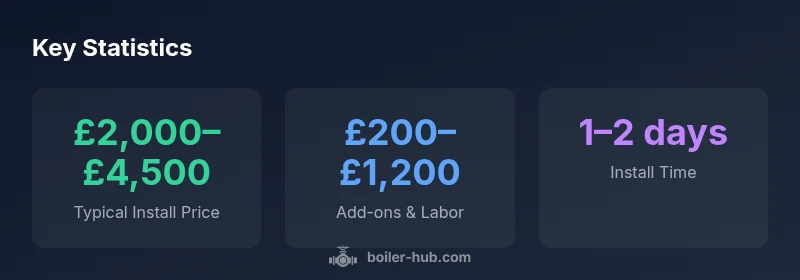
Prices for a combination boiler and hot water heater installations vary widely based on efficiency, output (kW), venting needs, and installation complexity. According to Boiler Hub, typical installed prices range from £2,000–£4,500 in the UK or $2,300–$5,000 in the US, excluding financing. This quick snapshot helps readers anchor expectations before evaluating quotes and regional differences for 2026.
What is a combination boiler and hot water heater?
A combination boiler, commonly called a combi boiler, integrates space heating and domestic hot water into a single unit. When you open a hot water tap, the boiler heats water on demand, so there is no separate storage cylinder. This design makes combi boilers a popular choice for apartments and smaller homes where space is at a premium. In many markets, a true combi boiler is paired with a high-efficiency heat exchanger and modulating burner, which can reduce energy use compared with older system boilers. When homeowners discuss combination boiler and hot water heater prices, the focus often shifts to upfront purchase price and installation costs, while ongoing operating costs hinge on energy prices, usage patterns, and seasonal demand. According to Boiler Hub Analysis, 2026, price is influenced by output (measured in kW), efficiency rating, venting requirements, and whether the installer must upgrade plumbing or gas lines before commissioning. For homeowners and facility managers, understanding these mechanics helps you plan for the full financial picture rather than a single sticker price.
What factors influence price (and lifetime value)?
Pricing for combi boilers and hot water on demand systems is driven by several interrelated factors. First, boiler output (kW) determines heating capacity and hot water delivery speed; higher outputs typically cost more upfront but may be required in larger homes or high-demand settings. Efficiency ratings, such as ErP classes, affect long-term energy costs and can influence rebates or incentives in some regions. Venting requirements and installation complexity—whether the unit replaces an old system, requires gas line upgrades, or needs new flue routing—also materially affect price. Brand and warranty duration matter, as do the installer’s labor rates and the need for additional components like expansion tanks, filters, or smart thermostats. Importantly, owners should consider the total cost of ownership: a cheaper unit may incur higher operating costs or more frequent service calls, offsetting initial savings. Boiler Hub analyses emphasize that while upfront cost is visible, the 2026 pricing landscape favors models with energy efficiency and reliable service networks.
Price ranges by region and installation scenario
Prices for combi boilers and on-demand hot water heaters differ by country and installer practices. In the UK, typical installed price ranges from £2,000 to £4,500 depending on boiler size, venting, and whether any plumbing rework is required. In the United States, installed prices commonly range from about $2,300 to $5,000, with variations tied to venting, gas line upgrades, and whether the unit is paired with a high-efficiency heat pump or a standard gas-fired model. Across the EU, regional VAT, parts availability, and labor rates push prices into a broad euro-range. These regional patterns reflect currency differences, labor costs, and local incentives. Boiler Hub Analysis, 2026 notes that regional price dispersion is a defining feature, and buyers should request quotes that itemize boiler unit cost, installation labor, permitting, and disposal.
Hidden fees and common cost traps
Pricing quotes often hide additional costs that can swing total outlays significantly. Common traps include charging separately for removal of an old boiler, required system flushing, new flue components, upgraded gas lines, or optional add-ons like scale inhibitors and smart controls. Permits, inspections, and building code compliance can add hours to the job and inflate labor charges. Some installers quote a low unit price but add-on post-warranty service contracts or extended maintenance plans that materially raise lifetime costs. To avoid surprises, request a written, line-item quote that shows the boiler price, labor, parts, disposal, and any required re-piping work. Also confirm whether the quote includes warranty coverage for the parts and labor and whether relocation or additional insulation around the boiler cupboard is necessary for efficiency.
How to compare quotes and ensure value
To compare quotes effectively, collect at least three detailed proposals that spell out the same scope of work. Verify the boiler’s output in kW matches your heating demand, and check the efficiency rating (ERP class or equivalent). Ask installers to provide payback estimates based on your typical hot water usage, energy prices, and climate. Scrutinize warranty terms: longer coverage often indicates manufacturer support and better component quality. Consider total cost of ownership, including annual maintenance, potential energy savings from higher efficiency, and the reliability of service networks. Do not accept vague statements such as “price is fixed” without a detailed breakdown. A well-documented quote helps you compare apples to apples and reduces the risk of hidden fees later in the project.
Financing, incentives, and maintenance savings
Financing can make higher-efficiency combi boilers more affordable by spreading payments over time. Look for manufacturer rebates, utility-sponsored incentives, and local government programs that offset upfront costs. Extended warranties or maintenance plans can provide budget predictability; weigh the annual premium against potential out-of-pocket repair costs. In many markets, energy savings from a modern, high-efficiency combi boiler can offset a portion of the higher upfront investment over several years. The Boiler Hub team recommends evaluating a 5–10 year cost-of-ownership window when comparing models, rather than just the first-year price. Regular maintenance—annual service, proper flushing, and filter replacement—helps preserve efficiency and prolongs system life.
Practical buyer's guide: questions to ask installers
Before committing, ask: (1) What is the expected hot water delivery rate at peak demand? (2) Does the quoted price include required venting, gas line upgrades, and disposal of the old unit? (3) What is the warranty coverage for parts and labor, and who handles service calls? (4) Will the installer perform a flow-rate assessment to confirm appropriate boiler output for our home? (5) Are there smart controls or zoning options that can maximize efficiency and comfort? Getting detailed answers to these questions helps ensure you select a model that balances upfront price with long-term value.
Typical installed price ranges for combination boilers with integrated hot water
| Region | Typical Installed Price Range | Notes |
|---|---|---|
| UK (gas combi) | £2,000–£4,500 | Prices vary by output and install complexity |
| US (gas/propane combi) | $2,300–$5,000 | Prices include standard install and venting |
| EU market | €2,000–€4,700 | Prices vary by country and VAT |
Questions & Answers
What factors influence the price of a combi boiler and hot water heater?
Key drivers include boiler output (kW), efficiency ratings, venting needs, installation complexity, and the installer’s labor rate. Regional incentives can also affect overall cost. Always compare quotes with the same scope.
Key drivers are output, efficiency, venting, and installation complexity. Compare quotes with identical scopes to find real differences.
Are combi boilers cheaper to install than traditional system boilers?
Combi boilers can be cheaper upfront in small homes due to fewer components and simpler plumbing, but large homes may require higher-output units or additional work that narrows the cost advantage.
In small homes, combi boilers often cost less upfront, but in larger homes the difference can shrink due to high-output needs.
Do I need permits or inspections when replacing a combi boiler?
Many regions require gas and safety inspections when replacing a boiler. Your installer should guide permitting needs, and some costs may be tied to inspections or code compliance.
Yes, permits or inspections are common. Your installer will help you understand local requirements.
What warranty coverage should I expect?
Look for a minimum 2–5 year boiler warranty and a separate labor warranty. Longer warranties can reflect manufacturer confidence and installer quality.
Aim for at least a 2–5 year boiler warranty with separate labor coverage.
Can I finance a combi boiler purchase?
Many manufacturers and per-utility programs offer financing or low-interest options. Check terms, total cost of credit, and any penalties for early repayment.
Yes, financing is often available; review terms carefully for total cost and penalties.
“Prices for combination boilers closely track efficiency and installation complexity. Higher-efficiency models cost more upfront but can lower operating costs over time.”
Key Points
- Understand total cost of ownership, not just upfront price
- Higher efficiency costs more upfront but saves on energy bills
- Require detailed, line-item quotes from installers
- Factor in regional differences and permitting costs
- Leverage incentives and maintenance to maximize value