Why Does Boiler Stop and Start? A Troubleshooting Guide
Discover why a boiler stops and starts and follow a safety‑first troubleshooting flow. Learn common causes, step‑by‑step fixes, and when to call a professional to restore reliable heat.


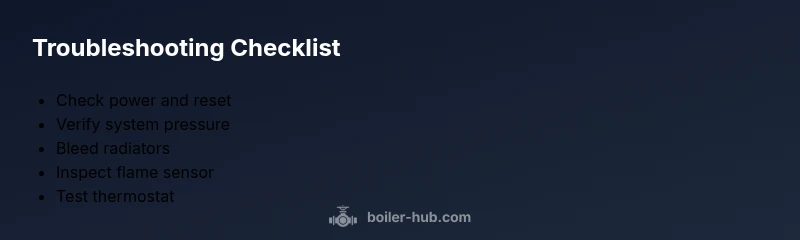
Most commonly, a boiler cycles off and back on due to a safety shutoff triggered by low pressure, air in the system, or a dirty flame sensor. Quick fix: check the power and reset the boiler, verify system pressure (about 1–1.5 bar when cold), bleed air from radiators, and ensure the gas supply is steady. If it persists, call a pro.
Understanding Boiler Cycling: Why Does Boiler Stop and Start
Why does boiler stop and start? This cycling is a signal that the boiler is protecting itself from unsafe operation. According to Boiler Hub, the most common triggers are fluctuations in system pressure, air locks in the heating circuit, or a dirty or failing flame sensor that misreads the flame. When safety thresholds are reached, the boiler shuts off and then attempts to relight, creating a repeating cycle. Recognizing the pattern helps you target the likely culprit without guessing at expensive parts. Expect a measured approach: assess safety, test simple parameters, and only progress to more involved fixes if you have the right training or a professional on hand. The goal is a stable heat cycle, not a quick temporary fix.
Quick Baseline Checks You Can Do Safely
Before diving into diagnostics, perform a few safe, low-risk checks. Ensure the boiler switch is on, the thermostat is set correctly, and the timer is not triggering unintended cycling. Listen for irregular burner sounds or clickings that indicate ignition issues. Check the external gas and electricity supply are steady, and see if the boiler has recently reset itself after a fault. If your system uses a manual pressure gauge, verify it reads within the typical operating range. These baseline checks often resolve minor cycling and help you decide if professional support is needed.
The Role of Pressure, Water Quality, and Air Locks
Water pressure is a common driver of cycling. If the pressure is too low, the boiler may shut down to prevent damage; if too high, safety valves can trigger. Most residential systems operate around a nominal range when cold (often around 1–1.5 bar). Air trapped in radiators and pipes creates pockets that disrupt flow and heat transfer, triggering cycling as the boiler repeatedly tries to reach setpoints. Addressing air locks by bleeding radiators and rechecking pressure after top-ups is a frequent, effective remedy. Regular water quality checks also help; mineral buildup can affect heat exchange and response times, contributing to short cycling events that frustrate occupants.
Reading Error Codes and Sensor Health
Modern boilers use fault codes to indicate specific problems. A dirty flame sensor or ignition issue can cause intermittent cycling as the boiler attempts and fails to establish a stable flame. If you see a persistent fault code, refer to the user manual or the boiler’s diagnostic screen before resetting. Be cautious with sensor cleaning: use a soft brush or cloth to gently remove any dust, and avoid aggressive scrubbing that could damage delicate components. If errors persist after cleaning, the sensor may require replacement or professional testing to verify electrical connections and control board health.
Electrical & Control: Thermostat, Timer, and Power Issues
The control circuit governs when the boiler thinks heat is needed. A malfunctioning thermostat or misconfigured timer can send conflicting signals that mimic a fault. Check for loose wiring at terminals and ensure the thermostat is communicating correctly with the boiler. A failing control board can also cause cycling; in this case, replacement by a qualified technician is often necessary. Don’t overlook simple power issues: a tripped circuit breaker or a blown fuse can cause the boiler to restart repeatedly as power is restored.
Gas Supply, Vents, and Burner Performance
In gas boilers, a steady gas supply is critical. If the gas valve or regulator is sticking, or if venting is blocked, the burner may struggle to sustain flame, leading to cycling. Inspect for any smell of gas and ensure exterior vents are clear of obstructions. If you suspect a gas-related issue, do not attempt to diagnose further—shut the boiler off and call a licensed gas technician immediately. Regular servicing helps prevent burner misfires, improving reliability and safety.
Common Mistakes to Avoid and Practical Solutions
Don’t rely solely on reset cycles as a fix; this masks underlying causes. Avoid over-pressurizing the system when topping up, as this can trigger safety valves. Do not ignore frequent cycling; it is a warning sign that needs assessment. Keep a boiler maintenance log, note fault codes, and schedule annual servicing. When in doubt, prioritize safety and seek professional guidance; a qualified boiler technician can perform leak tests, sensor calibration, and vent assessments to restore reliable operation.
Preventive Maintenance and Safety Mindset
Preventing cycling begins with regular maintenance: annual professional service, periodic bleed of radiators, and timely checks of pressure, filters, and ignition components. Keeping the area around the boiler clear and well-ventilated reduces heat buildup and improves safety. Establish a simple checklist and stick to it, particularly as the seasons change. A proactive approach reduces the odds of unexpected cycling and extends the life of your boiler system.
Putting It All Together: A Practical Troubleshooting Path
To address why does boiler stop and start, follow a systematic path: verify power and settings, check pressure and bleed air, inspect burner cleanliness, review error codes, and test sensors and controls. If pressure and air issues are resolved but cycling persists, suspect a control or ignition fault and seek a technician. Remember, safety first: if you smell gas or suspect a venting problem, evacuate and call emergency services or a gas engineer immediately.
Steps
Estimated time: 45-60 minutes
- 1
Power down and safety check
Turn off the boiler and isolate the electrical supply. Do not touch gas connections unless you are trained. Verify there are no signs of fuel leaks or gas odor before proceeding.
Tip: If you smell gas, evacuate and call emergency services. - 2
Check and top up pressure
Use the built-in filling loop or external gauge to measure pressure when the system is cold. If below the recommended range, top up slowly to the target and recheck after a cycle.
Tip: Do not exceed the recommended range; over-pressurizing can trigger safety valves. - 3
Bleed air from radiators
Starting with the lowest radiator, open the bleed valve with a radiator key until air escapes and water appears. Close valve once a steady stream of water runs out.
Tip: Have a cloth ready to catch water; keep a container handy for spills. - 4
Inspect flame sensor and ignition path
With power off, inspect the flame sensor for soot or dust buildup. Gently clean with a soft brush or lint-free cloth. Reassemble and test ignition carefully.
Tip: If you’re unsure, skip cleaning and request professional service. - 5
Test thermostat and restart
Set the thermostat to a comfortable temperature and monitor the boiler’s response. If cycling continues, perform a soft reset following the manufacturer’s instructions.
Tip: Document any fault codes shown during restart.
Diagnosis: Boiler keeps cycling off and on
Possible Causes
- highLow or unstable system pressure
- highAir trapped in the heating circuit
- mediumDirty or faulty flame sensor/ignition
- mediumThermostat, timer, or control fault
- lowGas supply or burner issues
Fixes
- easyCheck boiler pressure and top up to the manufacturer’s recommended range when cold (often around 1–1.5 bar); recheck after cycling
- easyBleed radiators to remove trapped air and restore proper flow
- mediumClean or replace the flame sensor if accessible and safe to do so
- easyInspect thermostat settings and reset/repair the control if signals are inconsistent
- hardIf gas supply issues or burner faults are suspected, contact a licensed technician immediately
Questions & Answers
Why does my boiler keep turning on and off?
Cycling is usually caused by low pressure, air in the system, or sensor/ignition faults. Start with safety checks, pressure verification, and bleeding radiators before investigating sensors or control boards. If the cycle persists, seek professional help.
Cycling is usually due to low pressure, air in the system, or sensor problems. Start with quick safety checks and bleeding radiators, then verify pressure. If it continues, contact a technician.
What are the first steps I should take if the boiler cycles?
Check power and reset the boiler, verify system pressure, bleed air from radiators, and check for obvious gas supply issues. If the cycle persists, consult the manual and consider contacting a professional.
First, reset the boiler, check pressure, and bleed the radiators. If cycling continues, consult the manual or contact a professional.
Can air in the heating system cause cycling?
Yes. Air pockets disrupt flow and heat transfer, triggering the boiler to shut down and restart. Bleed radiators and recheck pressure after purging air to restore normal cycling.
Air in the system can cause cycling; bleed radiators and recheck pressure to fix it.
What if the pressure is fine but cycling continues?
Other causes may include a dirty flame sensor, ignition issues, thermostat faults, or a faulty control board. Proceed with sensor cleaning, thermostat testing, and if unresolved, call a pro.
If pressure is fine but cycling persists, it may be sensor or control issues; consider professional help.
When should I call a professional for boiler cycling?
If you detect gas smells, suspect a gas supply issue, or the system repeatedly cycles after basic checks, stop work and contact a licensed boiler technician immediately.
Call a professional if you smell gas or the cycling persists after basic checks.
Are there safety risks if the boiler keeps cycling?
Repeated cycling can indicate dangerous conditions like gas leaks or flame instability. Do not ignore; shut off power and call a professional to inspect venting, gas lines, and ignition.
Yes. Repeated cycling can signal dangerous conditions—shut off and call a pro.
Watch Video
Key Points
- Identify the most common cycling causes early
- Maintain proper system pressure and bleed air regularly
- Use the diagnostic flow to isolate issues safely
- Call a professional for gas, ignition, or control faults