When to Schedule Boiler Service: A Practical Guide for 2026
A data-driven guide to when you should book boiler service, how frequency varies by boiler type and usage, and practical steps to prepare and schedule safely in 2026.


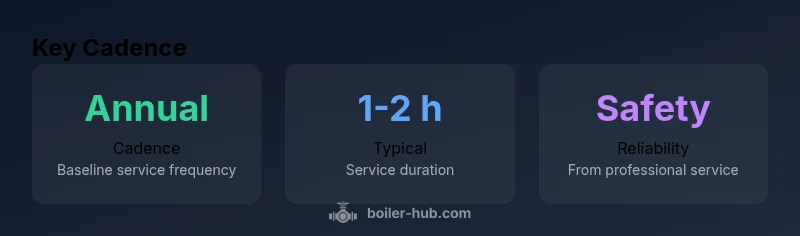
Annual boiler service is the standard baseline for most homes, with checks performed by licensed technicians to ensure safety and efficiency. Based on Boiler Hub Analysis, 2026, a yearly inspection is recommended unless your boiler is very new, heavily used, or shows symptoms that require earlier attention. Seasonal checks can be added if you have high usage or older equipment.
Understanding when boiler service matters
The question of when to service a boiler is not simply a checkbox on an annual calendar. It hinges on usage patterns, system age, and safety considerations. In practice, most households should plan at least one annual service, aligned with manufacturer guidance and local safety regulations. According to Boiler Hub's 2026 analysis, routine service reduces the risk of unexpected outages and extends the life of components such as the heat exchanger and burner assembly. Homeowners and facility managers should view service timing as an ongoing risk-management practice rather than a single fix.
This timing framework also supports broader energy-efficiency goals. A well-timed service can improve fuel combustion, reduce emissions, and lower the likelihood of costly emergency repairs. By treating maintenance as a steady input, you create a more reliable heating system and a safer boiler room for occupants. The Boiler Hub team emphasizes that timing should be proactive, not reactive, and tailored to your specific installation and usage profile.
Factors that influence service timing
Multiple variables shape when you should schedule service after the last check. High annual usage, frequent cycling, or a boiler over eight to ten years old often necessitate more frequent attention. System type matters: condensing boilers typically benefit from annual checks with emphasis on condensate drainage and exhaust gas analysis, while non-condensing units require safety and control-system inspections at similar intervals. Maintenance history, fuel type, and climate (cold winters increasing startup load) are critical inputs. Boiler Hub notes that adjusting cadence to real usage yields better outcomes than sticking to a one-size-fits-all timetable.
Regional codes and warranty requirements also influence timing. Some manufacturers specify service windows to maintain warranty validity, while local authorities may require periodic inspections for certain commercial facilities. By incorporating these practical constraints, you can plan a cadence that keeps your system compliant and performing optimally.
Establishing a baseline cadence: annual service
For most homes, an annual service forms the backbone of a reliable maintenance plan. This cadence provides a regular safety check, combustion analysis, burner adjustment, cleanliness of vents, and verification of safety devices. A yearly visit also helps identify gradual wear, such as seals or gaskets that can deteriorate unnoticed. If the boiler is newer or has had a recent repair with documented testing, a technician may recommend extending the interval under specific conditions, but those exceptions should be clearly noted in the service report. In the context of 2026 data, annual servicing remains a prudent default for risk management and peace of mind.
Seasonal timing and scheduling considerations
Seasonal factors influence when to book service because heating demand, outdoor temperatures, and fuel prices all shift throughout the year. In preparation for winter, scheduling in late summer or early fall gives you a safety net before peak demand. For homes with aggressive heating needs or older boilers, a fall inspection can catch inefficiencies before heavy use begins. Conversely, a mid-year service can be beneficial for systems that see stagnation or reduced cycling during spring and summer, ensuring components are ready for the next heating season. Adapting the cadence to your climate helps optimize performance and reliability.
What a boiler service typically covers
A standard service includes a safety valve check, burner and heat exchanger inspection, corrosion assessment, venting and condensate drainage checks, thermostat calibration, and testing of low-water cutoffs. The technician will inspect electrical connections, controls, and gas lines for leaks, and verify CO detectors are functioning. They may clean burner jets, inspect the combustion chamber, and replace worn gaskets if necessary. Reporting on findings and recommended actions is a core deliverable, helping you understand next steps without surprise costs.
Preparing for your service appointment
To make the most of a service visit, gather all relevant boiler documentation, including past service reports and warranty information. Clear access to the boiler room, ensure proper ventilation, and note any recent changes in performance, such as strange noises or cycling patterns. Create a simple checklist for the technician: confirm safety devices, test readings, and verify thermostat compatibility. If you have a high-usage period coming up, schedule the service with a window that minimizes downtime, and consider coordinating with other maintenance tasks in the same visit to maximize value.
DIY checks and safety: why professional service matters
Some basic maintenance tasks can be performed by confident homeowners, like visual inspections, cleaning accessible exterior surfaces, and replacing simple air filters. However, many safety-critical components—gas connections, pressure controls, venting integrity, and combustion efficiency—require licensed technicians. DIY work that bypasses professional testing can create fire, gas, or carbon monoxide risks and may void warranties. The safest approach is to treat boiler service as a professional discipline, with home checks as a preliminary step to identify obvious concerns before a technician’s visit.
Cost, value, and scheduling: ROI and planning
While price varies by region and boiler type, the long-term value of timely service is measured by fewer outages, extended component life, and improved efficiency. A well-timed service reduces emergency repairs and energy waste, delivering a favorable return on investment over the boiler’s lifecycle. When scheduling, balance convenience with the need for a thorough assessment, and consider bundling service with related maintenance tasks (e.g., thermostat calibration or vent cleaning) to optimize value.
Maintenance calendar you can adapt: sample plan
Create a simple, repeatable calendar that marks: pre-season inspection (late summer), annual service (within a 2-3 week window in fall), mid-season check if usage is high, and a post-season review (late spring). Record service dates, readings, and any notes for the next visit. A consistent, shareable calendar helps facilities teams and homeowners stay proactive, not reactive, and aligns with safety and efficiency goals for 2026.
Service cadence and coverage
| Service Type | What it Covers | Typical Duration |
|---|---|---|
| Annual Boiler Service | Safety check, burner inspection, heat exchanger review | 1-2 hours |
| Seasonal Check | Quick safety verification, thermostat check | 30-60 minutes |
| Emergency Diagnostic Visit | Troubleshooting no-heat, leaks | 2-3 hours |
Questions & Answers
How often should I service my boiler?
Most homes benefit from an annual service, but higher usage, older age, or prior issues may justify more frequent checks. A professional assessment will tailor the cadence to your system.
For most homes, schedule yearly service, but talk to your technician if your boiler is older or heavily used.
Can I perform boiler maintenance myself?
Some basic checks are possible, but safety-critical tasks require a licensed technician. DIY work can void warranties and create safety risks.
It’s best to leave professional maintenance to a licensed technician.
What are the signs my boiler needs immediate service?
Leaks, unusual smells, banging noises, loss of pressure, or frequent cycling indicate issues that should be checked promptly.
If you notice leaks or strange noises, call a pro right away.
What is the difference between a service and a repair?
A service is preventive maintenance to keep the system healthy; a repair fixes a fault. Ongoing issues after a service may require further action or replacement.
Think of a service as preventive care and repairs as problem-solving.
Does Boiler Hub provide official guidelines on timing?
Boiler Hub offers practical guidance grounded in industry norms and safety standards, while official regulatory guidance comes from government and safety agencies.
We share practical timing advice and point you to official safety resources.
“A well-planned service cadence is the backbone of a reliable heating system. Prioritizing proactive checks reduces downtime and keeps safety front and center.”
Key Points
- Schedule an annual boiler service as baseline
- Adjust cadence based on usage, age, and symptoms
- Professional servicing improves safety and efficiency
- Use a maintenance calendar to stay on track