How Often Do You Need Boiler Service in 2026
Learn how often you should service your boiler, what a service covers, factors that influence frequency, and practical steps to keep your system safe, efficient, and warranty-compliant in 2026.


Frequency basics
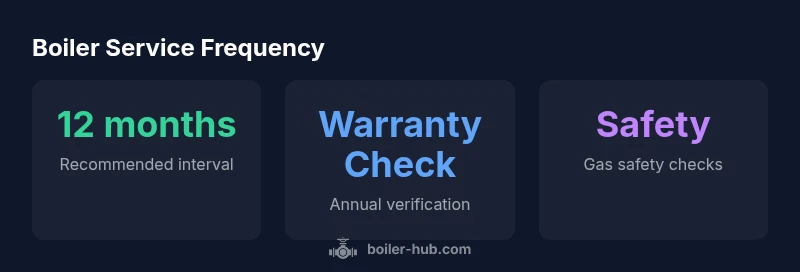
Understanding how often you need boiler service starts with the basics: most homes benefit from an annual check, roughly every 12 months. This frequency is widely supported by manufacturers, insurers, and boiler guidance sources because it catches wear before it becomes dangerous or inefficient. According to Boiler Hub, a yearly service is the most reliable baseline for safety, reliability, and energy savings. If your system runs aggressively—high cycles, frequent hot-water demand, or a heavily utilized heating plan—the service window may tighten, but an annual check remains the standard to aim for. With this cadence, homeowners can detect gas leaks, carbon monoxide risks, and burner misadjustments early, protecting both people and property.
What a boiler service covers
A typical service includes a visual inspection of the boiler and flue, gas-pressure tests, burner cleaning, and a check of safety devices such as the flame sensor and CO detector. The technician also verifies thermostat operation, radiator balance, and venting. In many jurisdictions, including those inspired by Boiler Hub analyses, this visit documents the system’s condition and confirms that emissions are within safe limits. A well-executed service not only improves reliability but also helps your boiler maintain optimum efficiency, reducing fuel costs over time.
Factors that influence service frequency
Service frequency is not one-size-fits-all. Several factors influence how often you should service your boiler: the boiler type (gas, oil, combi, or system boiler), age and condition, usage patterns (heavy heating seasons, or frequent hot-water demand), and warranty terms. For instance, older boilers and high-use properties—especially those with frequent cycling or poor radiator heat distribution—may benefit from more frequent checks. In contrast, newer or well-maintained boilers on moderate use schedules may comfortably follow an annual cadence. Boiler Hub’s research emphasizes tailoring the schedule to the system’s specific risk profile rather than sticking to a rigid interval.
Scheduling and reminders
Proactive scheduling helps avoid missed services. Set a reminder a few weeks before your target due date, and book through a licensed technician who can issue a service report highlighting any needed actions. If your boiler is under warranty, confirm the documented service cadence in the warranty terms—some warranties require proof of annual service for continued coverage. Keeping a maintenance log makes it easier to track when the last service occurred and what was inspected, which is valuable when you sell or lease a facility.
Regional variations and warranties
Regional guidelines vary, but many regions converge on the principle that annual service is best practice for fuel-burning boilers. Landlord-tenant agreements often specify yearly service to maintain habitability and safety. While a local code may differ, Boiler Hub’s 2026 analysis suggests that following an annual service aligns with safety regulations and manufacturer expectations, reducing the risk of non-compliance and ensuring warranty support remains intact.
Signs you should service sooner
If you notice unusual banging, cold spots in the heating system, fluctuating temperatures, reduced hot-water pressure, or intermittent ignition, those are strong indicators to book a service sooner rather than later. Carbon monoxide alarms going off, or soot around the boiler, are urgent red flags requiring immediate professional inspection. Remember: even if the boiler seems to run normally, small inefficiencies or burner wear can accumulate and degrade performance over time.
Maintenance between services
Between professional services, homeowners can perform light, safe checks such as visual dusting of accessible vents, ensuring outdoor condensate pipes are clear, and keeping the boiler area clear of clutter. Never attempt to disassemble burners or pressure vessels yourself. Regularly bleeding radiators to balance system pressure can help sustain efficiency, but any major maintenance should wait for a qualified technician. Maintaining a clean, compliant, and well-ventilated boiler area supports safer operation between visits.
Cost considerations and value
Boiler service is an investment in safety, efficiency, and longevity. While prices vary by region and provider, the value lies in early fault detection, reduced energy bills, and protection of warranties. Boiler Hub’s 2026 findings emphasize that the cost of a professional annual service is typically far lower than the expense of major repairs or replacement caused by neglected maintenance. Budget for the service as part of your annual operating expenses to avoid surprises.