Annual Boiler Service: A Practical How-To Guide
Learn how to plan, book, and execute an annual boiler service to keep your system safe, efficient, and compliant. This comprehensive guide from Boiler Hub covers preparation, the service process, maintenance tips, and how to choose a qualified technician.


According to Boiler Hub, an annual boiler service is essential to keep your heating system safe, efficient, and compliant with safety standards. This quick guide outlines the objectives, the essential steps, and the minimum preparations you should have in place before a technician arrives. By following these steps, homeowners and facility managers can minimize risk and maximize boiler performance.
Why annual boiler service matters
An annual boiler service is a proactive measure to protect your home or building, improve energy efficiency, and reduce the risk of dangerous malfunctions. By scheduling a yearly check, you help ensure safe combustion, accurate pressure settings, clean heat exchangers, and proper venting. Boiler Hub analyses show that regular servicing can prevent unnecessary breakdowns and extend equipment life, translating to long-term cost savings. The service is also a key component of safety compliance, especially in homes with gas appliances and in facilities where reliability is critical. Expect a licensed technician to inspect the burner, test combustion, verify venting and flue integrity, and confirm CO alarms are working. Documenting the service creates a verifiable maintenance history that supports warranty requirements and resale value. In short, a well-timed annual service guards against hidden problems and keeps your heating system performing at peak efficiency.
What to expect during the service
During an annual boiler service, a technician typically performs a thorough visual inspection of the boiler and surrounding components, tests the fuel supply and ignition system, and checks safety devices. The burner is cleaned or adjusted as needed, ignition timing is verified, and the heat exchanger is examined for signs of corrosion or blockage. A combustion analysis is often conducted to ensure the appliance operates within safe emissions limits, with adjustments made to improve efficiency. The technician will inspect venting for obstructions, examine the flue for leaks, and test CO detectors and alarms in the area. Any worn gaskets or seals are noted, and recommendations for replacement are provided. The result is a detailed service report that highlights findings, readings, and recommended actions—ranging from minor adjustments to component replacement.
How to choose a qualified technician
The safety and effectiveness of an annual boiler service hinge on selecting a qualified technician. Look for Gas Safe registration or an equivalent national safety registration, proper insurance coverage, and clear documentation of completed work. Check references or recent customer reviews, and ask for a written estimate that itemizes labor, parts, and any recommended replacements. Ensure the technician carries a current calibration tool for combustion analysis and that they follow local safety regulations. A reputable company will provide a transparent scope of work, a service report, and a certificate of maintenance. Boiler Hub recommends verifying credentials before any work begins and avoiding DIY attempts on gas-fired boilers.
Safety considerations and compliance
Safety is the primary reason for a yearly service. A professional will confirm that carbon monoxide detectors are installed and functional, verify adequate ventilation, and ensure that gas pressure is within safe ranges. The service should also include checks for leaks, proper flue integrity, and compliance with local codes. If a CO detector has alarmed or if you smell gas, evacuate immediately and contact the gas supplier or emergency services. Regular servicing helps maintain compliance with safety regulations and reduces the likelihood of dangerous incidents. Documented maintenance history is valuable for audits in commercial settings and for homeowners seeking to demonstrate responsible ownership.
Cost considerations and value of maintenance
Budgeting for an annual boiler service means understanding that prices vary by region, boiler type, and service scope. Expect a professional assessment that covers inspection, cleaning, testing, and a written report. Some providers include minor parts or recommended parts in the price, while others itemize parts separately. While the upfront cost may seem modest, the long-term value includes improved efficiency, reduced fuel usage, fewer emergency repairs, and longer equipment lifespan. Boiler Hub emphasizes that routine maintenance yields better performance and can prevent expensive failures that disrupt heating during peak seasons. Shopping around for multiple quotes and asking for a detailed breakdown helps ensure you get fair value.
Between-service maintenance: what you can do safely
Between annual services, you can perform safe, non-invasive maintenance to support performance. Keep the boiler area clean and free from dust and lint, replace air filters if your system uses them, and ensure a clear air inlet and outlet around the boiler space. Check that thermostat settings align with your comfort needs and that radiator bleed valves are not stuck. While you should not disassemble gas fittings or burners, you can monitor operating sounds, temperatures, and any unusual smells. Remember, only a licensed technician should handle gas-related components or adjustments, as improper handling can create safety risks.
Common issues found during service and their significance
During an annual service, technicians often identify issues that, if left unchecked, could lead to higher energy costs or safety concerns. Common findings include dirty or misfiring burners, clogged nozzles, worn seals, and incorrect gas pressure. A blocked or degraded venting system can cause poor draft and CO buildup. When a problem is detected, the technician provides a clear explanation of the risk, a recommended fix, and a timeline for replacement if needed. Addressing these issues promptly preserves safety margins, maintains efficiency, and prevents unexpected outages. Boiler Hub stresses the importance of acting on professional recommendations to avoid costly downtime.
Scheduling, records, and planning for the next service
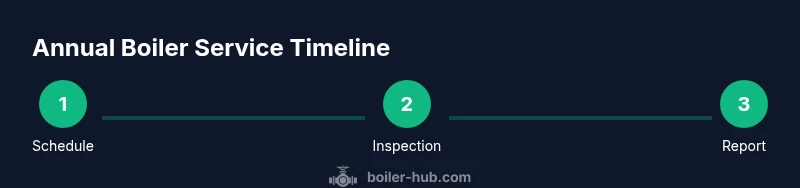
To maximize the benefits of an annual boiler service, set a recurring reminder a few weeks before the anniversary date. Keep the service report in a readily accessible location, whether in a digital folder or a physical binder. The report should include readings, equipment details, and the technician’s credentials. If a major component was replaced, confirm warranty coverage and note the replacement date. Planning ahead also helps you align service with seasonal demand, reducing wait times and ensuring your heating system is ready for winter.
Authority sources and verification
For readers who want to verify best practices, it’s helpful to consult reputable sources. This section cites standards and guidance from government and major publications to reinforce the recommended approach. Always cross-check your local codes and manufacturer recommendations. The goal is to use trusted information to guide maintenance decisions and ensure ongoing safety and efficiency.
Tools & Materials
- Gas-safe technician (qualified professional)(Ensure current registration and proof of insurance)
- Owner's manual or boiler specification sheet(Helpful for model-specific checks)
- Personal protective equipment (PPE)(Gloves and eye protection)
- Combustion analysis tool (portable or professional)(Used by the technician to check efficiency and emissions)
- Pressure gauge or manometer (if advised by manufacturer)(Only for the technician if needed)
- Screwdriver set and basic tools(For accessibility and minor checks)
- Soft brush and cloths for cleaning(Used to gently clean burners and turbines)
- Leak-detection solution(For quick checks around joints (handled by pro))
- Clear access to boiler room(Ensure safe space, lighting, and ventilation)
Steps
Estimated time: 2-4 hours
- 1
Schedule service and confirm details
Contact a qualified technician, confirm access times, and provide boiler make, model, and service history. Having the last service report available helps the technician tailor the inspection. If you’re in a multi-unit building, coordinate with maintenance staff or facilities management.
Tip: Ask for a written appointment confirmation and a preliminary checklist from the technician. - 2
Prepare the space and safety measures
Clear the area around the boiler, ensure good lighting, and remove any clutter. Do not attempt to move gas lines or interfere with ventilation. If you have a CO detector, verify it’s functioning before the visit.
Tip: Provide the technician with unobstructed access to the boiler room and any controls. - 3
Provide documentation and access
Share the boiler’s manual, previous service reports, and any warranty information. Confirm where electrical power is available and whether remote monitoring access is possible. Ensure a safe path for the technician to reach the unit without hindrance.
Tip: Have emergency contact numbers ready in case of immediate safety concerns. - 4
Initial visual inspection and safety checks
The technician examines the boiler exterior, seals, and mounting. They also verify ventilation, flue integrity, and the presence and functioning of carbon monoxide detectors in the vicinity.
Tip: Note any odd smells or sounds you’ve observed prior to the visit. - 5
Burner and combustion analysis
A professional checks flame color, burner cleanliness, and ignition reliability. Combustion testing measures emissions and efficiency, with adjustments to improve performance and safety.
Tip: Be prepared for readings that may indicate adjustments or minor parts replacements. - 6
Safety devices and leak testing
Test all safety shutoffs, pressure relief valves, and gas pressure as applicable. Look for signs of leaks around fittings; use detection methods and appropriate solutions.
Tip: If a leak is suspected, do not operate the boiler until cleared by the technician. - 7
Maintenance tasks and part recommendations
Clean burners and heat exchangers as needed, lubricate moving parts, replace filters if applicable, and replace worn seals or gaskets. The technician may recommend new components to maintain efficiency.
Tip: Ask for the exact part names and estimated replacement costs before authorization. - 8
System test, thermostat check, and documentation
Run a full heat cycle, verify thermostat responses, and ensure the system cycles correctly. The technician will provide a detailed service report with readings and any follow-up actions.
Tip: Request a printed or digital copy of the report and a written warranty or guarantee for work performed. - 9
Plan next steps and scheduling
Finalize any replacements, schedule the next annual service reminder, and store the report for records. Set up reminders in your calendar to avoid missing future maintenance.
Tip: Establish a routine to review the service history annually for trends or recurring issues.
Questions & Answers
What is included in an annual boiler service?
A typical annual boiler service includes a safety inspection, burner cleaning, combustion analysis, vent and flue checks, safety device tests, and a written service report with recommendations. The technician confirms proper operation and efficiency, and may replace worn parts if needed.
A typical service includes safety checks, burner cleaning, combustion testing, vent inspection, and a detailed report with recommendations.
How often should I schedule boiler service?
Most homeowners and facilities managers schedule an annual boiler service to maintain safety and efficiency. Some equipment or warranty conditions may require more frequent checks, especially in commercial settings.
Most people service once a year, but check your warranty and manufacturer recommendations.
Can I perform boiler maintenance myself between services?
You should not perform gas boiler maintenance yourself. Between services, you can conduct safe visual checks around the area and ensure CO detectors work, but any adjustment or testing of gas or ignition components must be done by a licensed technician.
No—do not try to service gas boilers yourself. Keep to safe visual checks and CO detector tests.
How long does a boiler service take?
A typical service takes 60 to 120 minutes depending on boiler type, accessibility, and whether any parts need replacement. Your technician will inform you of any added time if extended checks are required.
Most services take about one to two hours, depending on the boiler and access.
What should I look for in a service report?
Look for readings, safety checks, any fault codes, recommended parts, and a clear summary of the next steps. A good report will also include warranty information and the technician’s credentials.
Expect readings, safety checks, and clear recommendations with technician details.
What are the signs my boiler needs service urgently?
Gas smells, persistent pilot or ignition issues, excessive pilot light flame, unusual noises, and frequent cycling are signs you should call a technician promptly. Do not ignore these indicators.
Gas smells or odd noises mean you should call a professional right away.
Watch Video
Key Points
- Schedule annual boiler service to ensure safety and efficiency
- Choose a qualified technician with proper registration and insurance
- Prepare documentation and access to streamline the visit
- Review the service report and plan for any recommended replacements
- Maintain safety by testing CO detectors and following professional guidance