Heating and Boiler Service: A Comprehensive How-To for 2026
Learn to plan, prep, and perform heating and boiler service for safety, efficiency, and reliability. This step-by-step guide covers scheduling, pre-visit prep, on-site checks, and post-service actions.


Tonight you will learn how to plan and execute a proactive heating and boiler service for safety, efficiency, and reliability. You will know when to schedule service, what questions to ask, which checks a technician should perform, and how to handle common issues like no heat, strange noises, or boiler leaks. This guide emphasizes proper maintenance and safe practices.
Why Heating and Boiler Service Matters
Regular heating and boiler service is a safety-critical task for any home or building. A well-maintained boiler reduces the risk of carbon monoxide leaks, unexpected outages, and energy waste. It also helps extend the equipment’s life and keeps warranties valid by proving routine checks. According to Boiler Hub, a disciplined maintenance routine is one of the best ways to protect occupants and optimize comfort while controlling operating costs. When you schedule an annual service, a qualified technician will inspect critical components, verify safe operation, and clean or replace parts as needed. The benefits extend beyond a single season: dependable heat, quieter operation, and lower fuel consumption over time. For homeowners and facility managers, this is not optional; it is a responsible investment in safety, reliability, and budget planning. The heating and boiler service process is designed to address hardware wear, controls integrity, and safety devices across the entire system, including boilers, pumps, valves, and piping.
What a Professional Heating and Boiler Service Typically Includes
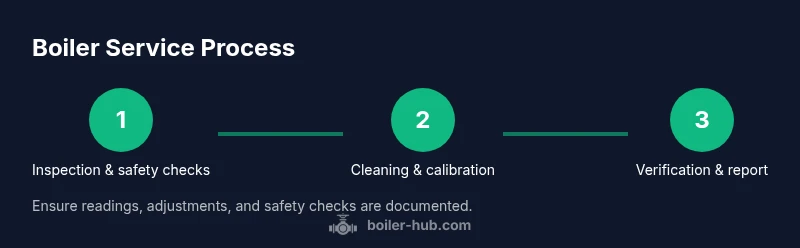
A professional service examines the entire system rather than focusing on one component. Expect a thorough safety check, combustion analysis, and verification of venting and ventilation. The technician will inspect the heat exchanger for cracks, test the gas or oil supply, assess burner performance, and verify that the thermostat and control systems respond correctly. They should also check the pressure, temperature limits, and the integrity of safety devices such as the high-limit switch and the pressure relief valve. During the visit, expect cleaning of the heat exchanger surfaces, gas nozzles, and condensate traps; lubrication of moving parts; and recalibration of ignition and flame sensors if needed. If required, the technician will run a smoke test or a tuned burner adjustment to bring efficiency up to manufacturer specifications. Finally, you should receive a written report with readings, recommendations, and any parts that need replacement.
Pre-Service Preparation for Homeowners
Before the service visit, gather your boiler’s model number, serial number, and the last service date if known. Prepare the space by clearing access to the boiler and ensuring adequate lighting. If you have a CO detector, test it to confirm it is functioning and replace batteries if necessary. Take note of any symptoms you have observed—unusual noises, fluctuating heat, cold spots, or water leaks—and share them with the technician. Have a plan for pets and children so the technician can work safely. Finally, review any warranties or service agreements you hold, and confirm whether the provider offers a post-service inspection or guarantees on parts. A small amount of preparation can save time and help the technician focus on critical tasks during the visit.
Key Checks a Technician Should Perform During Service
The heart of a heating and boiler service is a multi-point inspection. The technician should inspect the boiler casing for signs of corrosion, confirm that gas pressure is within specification, and perform a combustion analysis to ensure safe, efficient combustion. They should verify venting for blockages and correct exhaust flow, inspect the ignition system, and test safety controls such as the high-limit switch and the low-water cut-off. Visual checks for leaks around joints, pipes, and the condensate drainage system are essential. A well-documented service includes readings from pressure gauges, temperature readings, and notes about any recommended repairs. The technician should also confirm that CO detectors in the area are operational and provide guidance on alarm placement and maintenance between visits.
Troubleshooting Common Issues Between Visits
Between professional visits, you may notice a few warning signs that merit a call-back or urgent attention. No heat or uneven heating can indicate a failure in the thermostat, circulator, or burner. Strange banging or whistling noises can signal air in the system, scale buildup, or a failing pump. Leaks, rust around joints, or persistent dampness near the boiler require immediate attention. If you detect a burning smell or see a flickering flame, evacuate and contact emergency services. Regularly checking the pressure gauge and ensuring it stays within the manufacturer’s recommended range helps prevent sudden shutdowns. Using a CO detector and keeping a log of any incidents improves safety and helps you communicate clearly with your service provider during follow-up visits.
Improving Efficiency and Safety Through Regular Service
A priority of heating and boiler service is efficiency. A clean, well-tuned system uses less fuel, reduces emissions, and maintains stable indoor temperatures. Regular servicing can improve heat exchanger performance, optimize burner settings, and protect the safety devices that prevent dangerous conditions. The technician can identify worn belts, deteriorating gaskets, or degraded seals that would otherwise cause energy loss or leaks. In addition to technical adjustments, service intervals often involve updating controls or thermostats to improve demand response and comfort. For facility managers, keeping up with service schedules also helps preserve warranties and simplifies asset management by maintaining a documented maintenance history. A comprehensive service plan should align with manufacturer recommendations and local regulations on safety equipment and CO monitoring.
How to Choose a Heating and Boiler Service Provider
Selecting the right service partner matters for long-term reliability. Look for licensed technicians with relevant certifications and membership in professional associations. Request written estimates that detail labor, parts, and expected turn-around times, and ask about the scope of the service—whether it includes combustion analysis, safety tests, and post-service diagnostics. Check reviews and references, and verify that the provider follows safety protocols for gas work and CO monitoring. Confirm whether they offer a written maintenance plan or service agreement that includes annual inspections and priority scheduling. Finally, ensure transparent pricing and clear communication about potential replacements and warranties. A good provider will walk you through the service report and offer actionable steps to improve efficiency and safety.
Seasonal Scheduling and Maintenance Calendar
Most schedules align with the heating season, but proactive maintenance makes sense year-round. Create a calendar that marks a yearly service date, filter replacements if applicable, CO detector checks, and thermostat calibration. For homes with older boilers or high usage, consider semi-annual checks or quarterly inspections. Keep a digital or physical log of readings and repairs to simplify future visits and warranty claims. If your system has indirect water heating or a modern modulating burner, confirm that those subsystems are included in the service and calibrated to current efficiency standards. A well-kept calendar reduces emergency repairs and ensures smoother operation during peak demand.
Common Myths About Boiler Care
Myth: Boilers require frequent, disruptive overhaul. Reality: Regular, targeted maintenance minimizes disruption and saves costs over the life of the equipment. Myth: DIY checks replace professional service. Reality: Some safety-critical tasks must be handled by licensed technicians. Myth: CO detectors alone guarantee safety. Reality: Detectors are essential but should be part of a broader safety plan including ventilation, alarms, and professional inspection. Myth: All boilers are equally efficient. Reality: Efficiency varies by design, age, and maintenance history, so tailored service matters. Myth: Annual service is optional with modern, sealed systems. Reality: Sealed systems still benefit from periodic inspection to maintain safety margins and ensure compliance with pressure and venting standards.
Quick DIY Safety Checks You Can Do
You can perform simple checks to stay ahead between visits. Test CO detectors and smoke alarms monthly, ensure the area around the boiler is uncluttered, and look for signs of moisture or corrosion on accessible pipes. Verify the gas supply line and shut-off valve are clearly marked and accessible. If you notice unusual heat fluctuation, note times and temperatures and contact your service provider. Remember that any work involving gas, fuel, or combustion should be handled by a licensed professional; never attempt gas line work yourself. Keeping a small maintenance log and organizing your service records will help you and your technician track issues and plan future visits.
Tools & Materials
- Owner's manual or model documentation(Have model number and last service date handy)
- Notepad and pen(Record readings and recommendations)
- Phone or camera(Capture service notes for records)
- CO detector test kit or spare detector(Verify detectors are active before/after service)
- Flashlight(Ensure visibility in boiler room)
Steps
Estimated time: 2-4 hours
- 1
Schedule the service
Contact a qualified technician or service company and confirm the scope of work. Provide your boiler model, age, and any observed issues to tailor the visit. Schedule a convenient time and ask about required access and safety preparations.
Tip: Have the model number and last service date ready to speed up the booking. - 2
Prepare the space
Clear access to the boiler and ensure good lighting. Move pets or children away from the work area and remove clutter that could obstruct the technician. Prepare proof of warranties or service plans if available.
Tip: Keep the area well-ventilated but safe to work in. - 3
Be present for the service
ideally, be on-site or designate a knowledgeable point of contact. Discuss observed symptoms, request explanations for readings, and ask about any recommended parts or future service intervals. Take notes for the service report.
Tip: Ask to see readings and explanations in plain language. - 4
Review the service report
Read the written report carefully, noting readings, parts changed, and recommended actions. Ask for any safety concerns to be addressed immediately and obtain a copy of the documentation for your records.
Tip: Keep a digital copy for warranty and resale records. - 5
Schedule follow-up maintenance
Set an agreed-upon maintenance interval based on manufacturer guidance and system usage. Add reminders to your calendar and confirm any future checks on safety devices or filters.
Tip: Put the next service date in a shared calendar if you manage multiple sites.
Questions & Answers
How often should heating and boiler service be performed?
Most homes benefit from an annual service, with more frequent checks for older systems or heavy usage. A service plan helps catch wear early and keeps safety devices calibrated.
Most homes should aim for an annual service to keep safety and efficiency up. If your system is older or heavily used, consider semi-annual checks.
Can I perform boiler maintenance myself?
Basic upkeep like cleaning accessible surfaces or replacing filters can be done by homeowners. A full inspection, combustion analysis, and safety testing should be performed by a licensed professional.
You can do simple cleaning and checking, but a full inspection and safety test should be done by a licensed technician.
What safety steps should I take before service?
Clear access to the boiler, ensure good lighting, test CO detectors, and have important documents ready. If you smell gas or detect a strange flame, evacuate and call emergency services.
Clear access, test CO detectors, and be ready to discuss any symptoms. If you smell gas, exit and call emergency services.
What are signs that I need service urgently?
No heat, banging noises, leaks, or persistent burning smells indicate issues needing immediate attention and possibly emergency response.
If there is no heat, loud noises, leaks, or a burning smell, contact a professional promptly.
How do I choose a heating and boiler service provider?
Look for licensed technicians, clear quotes, safety protocol details, and transparent warranties. Read reviews and ask for a written maintenance plan.
Choose a licensed provider with clear quotes, safety practices, and a good maintenance plan.
How long does a typical service take?
A standard service usually takes about 60-90 minutes, depending on system complexity and the need for adjustments. More extensive checks may extend this time.
Most services take about an hour, sometimes a bit longer if issues are found.
Watch Video
Key Points
- Schedule annual service for safety and efficiency.
- Ask for a written service report after every visit.
- Keep CO detectors functional and test regularly.
- Maintain a documented maintenance history for warranties.