Service Boiler: Step-by-Step Guide to Safe Maintenance
Learn how to service boiler safely and effectively with Boiler Hub. This step-by-step guide covers safety checks, burner cleaning, pressure and vent adjustments, and maintenance scheduling for homeowners and facility managers.


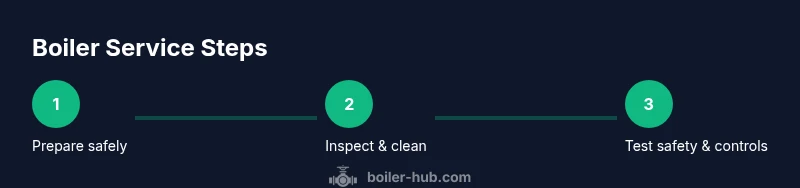
Goal: Learn how to service boiler safely and effectively. This guide walks homeowners and facility managers through safety planning, basic inspection, cleaning, and post-service testing. You’ll gain practical, no-nonsense steps to keep your boiler running reliably, with clear indications of when to call a professional for gas-related tasks.
Why service boiler matters
Regular service boiler maintenance is essential for safety, efficiency, and longevity. A well-maintained boiler operates more reliably, uses fuel more efficiently, and reduces the risk of dangerous failures such as gas leaks or carbon monoxide exposure. Homeowners and facility managers should view boiler service as preventative care rather than a reaction to a breakdown. According to Boiler Hub, a disciplined maintenance routine helps identify wear, corrosion, and blockages before they cause costly downtime. In many regions, routine service also supports compliance with local safety and environmental regulations. When you commit to a service boiler plan, you lower operating costs over the life of the equipment and protect occupants from hazardous conditions. This is not a one-off chore; it’s an ongoing responsibility that pays off in safety and performance. You’ll learn practical steps to perform routine upkeep or coordinate with a licensed professional for the more technical aspects. Throughout this guide, the focus remains on practical, actionable actions that homeowners and facility managers can implement today.
Safety first: planning your service
Before you touch any boiler components, establish a safe plan. Confirm you have the right power shutoff, ventilation, and gas safety precautions. If you are unfamiliar with gas-fired equipment, do not perform gas-related tasks; arrange professional help. Create a checklist that covers access issues, drain locations, and what you will inspect during the visit. A prepared approach minimizes the risk of accidental ignition, scalding, or gas exposure. Ensure the space is well-ventilated, and have a fire extinguisher and a smoke alarm in working order. For large facilities, coordinate with building management to avoid unexpected shutoffs and ensure that any gas supply lines are isolated by a qualified technician. This planning step reduces risk and sets clear expectations for the service.
What a professional service includes
A typical boiler service performed by a licensed technician starts with a visual inspection of the boiler, flue, condensation pipes, and venting. The technician tests combustion efficiency, checks gas pressure, verifies flame quality, and confirms safety devices function correctly. They inspect the heat exchanger for signs of corrosion, clean surfaces that impede heat transfer, and verify proper pump operation. The service also includes testing boiler controls, thermostat integration, and adjustments to ensure safe ignition and shutoff. Finally, they record readings, replace worn gaskets or seals as needed, and provide maintenance recommendations for future inspection intervals. While some homeowners can perform basic cleaning, a thorough service should be conducted by a qualified professional to ensure compliance with safety regulations and warranty requirements.
How to perform a basic service safely (for non-gas related tasks)
Even if you are not tackling gas-related work, you can perform several safe maintenance tasks. Start by turning off power at the boiler and isolating the electrical supply. Do not touch electrical components with wet hands. Inspect for any obvious leaks around valves and connections and wipe away condensation with a dry cloth. Clean accessible surfaces using a soft brush or cloth; avoid aggressive chemical cleaners that could damage seals. Check the pressure gauge on the front panel against the manufacturer’s specification and note any deviations. If your boiler has a condensate trap, ensure it is clear and draining correctly. Finally, test basic boiler controls and thermostat wiring, ensuring the thermostat communicates correctly with the boiler. Keep a written log of all inspections and any irregularities observed to share with a professional during the next service.
Troubleshooting common boiler issues during service
During a service, you may encounter a few recurring issues. If the boiler fails to ignite, check the power supply and error codes on the display. No hot water can indicate a problem with the pump, diverter valve, or burner; note any related sounds or leaks. Unusual noises often point to air in the system or loose components, while frequent cycling can signal incorrect pressure or thermostat miscommunication. If you smell gas, leave the area immediately and call emergency services. For persistent errors, consult the boiler’s manual or contact a licensed technician to avoid unsafe gas and electrical conditions.
Maintenance schedule and record-keeping
Create and maintain a proactive maintenance calendar. Many boilers benefit from an annual professional service combined with seasonal checks by facility managers in larger buildings. Maintain a service log that records dates, identified issues, actions taken, and replacement parts used. This documentation helps with warranty requirements and makes future servicing faster and more effective. Regularly review the log to identify recurring patterns that might indicate component wear, fuel efficiency declines, or sensor drift. A disciplined approach to scheduling and record-keeping supports safer operation and could lower long-term operating costs.
When to replace parts or call a professional
Certain components require professional handling due to safety and code requirements. If you notice persistent leaks, persistent no-heat conditions, or failure of safety devices (like flame safeguard or pressure relief), consult a licensed technician promptly. Corrosion on heat exchangers or damanged seals can lead to efficiency losses or dangerous conditions. When in doubt about the integrity of critical parts, rely on a professional assessment rather than DIY fixes. Regular maintenance reduces the likelihood of unexpected failures and keeps your boiler performing at peak efficiency.
Tools & Materials
- Safety glasses or goggles(Impact-resistant; protects eyes during cleaning and inspection)
- Heat-resistant gloves(At least 12 inches; protects hands from hot surfaces)
- Insulated screwdriver set(For panel screws; avoid metal contact with live circuits)
- Multimeter or voltage tester(Check electrical circuits and controls)
- Soft brush or microfiber cloths(Dust and clean burner and heat exchanger surfaces)
- Non-caustic boiler cleaning solution(Used only if recommended by manufacturer)
- Replacement gaskets/seals(Only if wear is evident during inspection)
- Buckets and rags(Contain spills; protect floors and surroundings)
- Vacuum with narrow nozzle(Clean tight spaces around boiler)
Steps
Estimated time: Total time: 2-3 hours
- 1
Power down and isolate gas
Turn off the boiler’s power at the main switch and, if applicable, switch off the gas supply from the local shutoff valve. Allow the system to cool for a comfortable period before handling. This first action prevents accidental ignition and reduces burn risk when you open panels.
Tip: Label the circuit and shutoff so others do not re-energize the system unexpectedly. - 2
Verify safe environment
Ensure the room is ventilated, odors are not present, and there is no smoke or gas leak. If you detect gas odors, evacuate and contact emergency services immediately. Safety comes first before any inspection continues.
Tip: Have a fire extinguisher within reach and a buddy nearby in case you need assistance. - 3
Inspect accessible components visually
Open the boiler cabinet and perform a visual check of the burner assembly, ignition system, vent pipe, condensate trap, and piping for corrosion or leaks. Note any signs of wear, soot buildup, or unusual moisture. Do not disassemble gas-tight fittings beyond what is required for inspection.
Tip: Document findings with photos to discuss with a professional later. - 4
Clean exterior and accessible internals
Gently brush dust from the exterior and accessible internals using a soft brush. Wipe down surfaces with a dry cloth; avoid spraying liquids inside the cabinet. Cleaning improves heat transfer and reduces dirt-induced inefficiencies.
Tip: Never spray cleaners directly onto electrical components or the burner. - 5
Check pressure and controls
Examine the boiler pressure on the front panel and compare against the manufacturer’s recommended range. Inspect thermostat wiring and control settings to ensure proper communication with the boiler. If pressure is out of range, do not force adjustments—consult the manual or a professional.
Tip: Use the manufacturer’s service manual as the reference standard. - 6
Inspect condensate system
If your boiler uses a condensate trap, ensure it drains freely and there are no blockages. A clogged condensate line can trigger shutdowns or overflows. Clean as needed with care.
Tip: Avoid forcing the trap; if you see persistent blockage, call a pro. - 7
Test safety devices and ignition
With the power restored temporarily for testing, observe safe ignition and shutoff sequences. Do not override safety devices; ensure the flame appears clear and stable, and that the automatic shutoff functions correctly.
Tip: If ignition is unreliable, there may be gas or electrical issues that require a licensed technician. - 8
Record results and plan the next service
Log readings, observations, and any maintenance actions. Schedule the next service and follow manufacturer guidance for interval-based inspections. Sharing the log with a pro helps future visits go smoothly.
Tip: Keep digital copies and a written binder for easy reference.
Questions & Answers
What is boiler service?
Boiler service is a preventative maintenance process that includes inspecting, cleaning, and testing the boiler and its safety devices to ensure safe operation and efficient performance. It is typically performed by a licensed technician, though some non-gas tasks can be done by homeowners following proper safety guidelines.
Boiler service is a preventive maintenance check by a professional to keep your boiler safe and efficient, including cleaning and testing safety devices.
How often should a boiler be serviced?
Most boilers should be professionally serviced annually, with optional mid-season checks for larger systems. Homeowners can perform basic safety audits quarterly, but any gas-related work must be done by a licensed professional.
Most boilers get an annual service, with extra checks during peak seasons; gas work must be done by a pro.
Can I service a boiler myself if it’s gas?
Gas boiler service involves potentially dangerous steps and must comply with safety regulations. Only non-gas aspects can be tackled safely by homeowners; for gas systems, hire a licensed technician to avoid safety risks and warranty issues.
Gas boiler work should be done by a licensed professional; DIY gas work is not advised.
What are common signs a boiler needs service?
Common signs include no hot water, uneven heating, strange banging noises, gas odor, or frequent cycling. If you notice these, schedule service promptly to prevent further damage and unsafe conditions.
Noisy operation, no hot water, gas smell, or frequent cycling usually means it’s time for a service.
Does boiler service affect warranty?
Most warranties require regular service by a qualified technician to remain valid. Keeping logs and following the manufacturer’s recommended service interval helps protect warranty coverage.
Regular professional service is often required to keep warranties valid; keep your logs handy.
What should be included in a professional service report?
A thorough report documents visual inspections, measured readings, safety device checks, any parts replaced, and recommended next steps or follow-up service intervals.
A good service report lists inspections, readings, parts replaced, and next steps.
Watch Video
Key Points
- Inspect and plan before touching a boiler.
- Safely isolate power and gas and ventilate the area.
- Regular service improves safety, efficiency, and reliability.
- Keep a maintenance log for durability and warranties.
- Know when to call a licensed professional for gas-related tasks.