What to Do with Boiler in Summer: Practical Steps for Homeowners
A practical, step-by-step summer boiler care guide for homeowners and facility managers. Learn safety checks, efficiency tweaks, and when to call a pro to prevent winter breakdowns.


Wondering what to do with boiler in summer? Perform a light, safety-focused maintenance routine that protects reliability. Key steps include checking for corrosion, cleaning vents, testing pressure, and scheduling a professional service before peak season. According to Boiler Hub, summer is ideal for preventive checks that prevent rust, leaks, and efficiency losses.
Seasonal Context: Why Summer Matters for Your Boiler
Summer is not a time to neglect your boiler. In fact, the warm months offer a unique window to perform preventive care that reduces the chance of cold season failures. By addressing corrosion, vent cleanliness, and controls now, you lower the risk of breakdowns when you need heat the most. What to do with boiler in summer becomes a practical, safety-first routine that keeps your system reliable year round. According to Boiler Hub, summer maintenance helps guard against rust, leaks, and efficiency losses, setting up a smoother transition into autumn. Owners can monitor the condensate drain, listen for unusual noises, and verify that insulation is intact around exposed pipes. The goal is to keep the boiler from working harder than necessary while preserving fuel efficiency. The following sections outline a practical, step by step approach.
Summer Maintenance Calendar: Plan Ahead
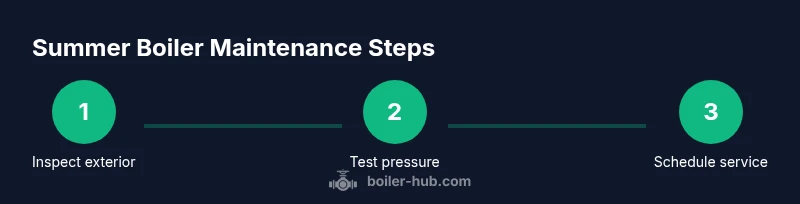
Create a simple, repeatable calendar that includes biweekly checks during June and July. Start with exterior inspection, then test pressure and safety valves, then verify thermostat and controls, and finally schedule a professional service appointment in late summer. Based on Boiler Hub research, consistency beats intensity: short, regular checks are more effective than infrequent, lengthy overhauls. Boiler Hub analysis shows that preventive maintenance in summer reduces the risk of midseason failures. Keep a log of findings and any parts replaced, and note any seasonal changes in your usage patterns. This calendar provides a reliable routine that fits most homes and climates.
Exterior Inspection and Airflow Cleaning
Begin with a visual exterior inspection of the boiler cabinet for signs of corrosion, rust, or dampness. Look at the piping for leaks and check that insulation is intact around exposed sections. Clean the exterior with a soft brush or cloth, and clear any debris from the intake and exhaust vents to ensure proper airflow. If you notice obstructions or insect nests, remove them carefully and reseal the openings. A clean, unobstructed flame path improves combustion efficiency and reduces risks during colder months that follow. A quick exterior check also helps catch weather-related damage before it worsens.
Pressure, Valves, and Combustion Check
Check the boiler pressure when the system is cool, referencing your manual for the correct range. Inspect the automatic pressure relief valve for proper operation without leaks. If the system has a gauge, verify readings are stable and within the recommended band. Do not force valves open, and if you hear hissing or see moisture near joints, arrange a professional inspection. This step helps prevent overpressure events that can damage the heat exchanger and other components. Keeping pressure in the right range also supports safe operation during summer cooling cycles.
Controls, Ignition, and Thermostat Review
Test the ignition sequence and ensure the burner lights reliably. Inspect the thermostat and outdoor sensor if your boiler uses weather compensation. Confirm that temperature settings are comfortable for summer while keeping energy use reasonable. If the boiler cycles on too frequently or runs too long, adjustments may be required. Keep accessibility clear around the control panel for safe operation. Optimizing controls now can lead to noticeable energy savings when heating demand increases in shoulder seasons.
Hydronics Health: Condensate Drain, Filters, and Access
Clear and inspect the condensate drain line for blockages and proper drainage. Replace or clean any accessible inline filters per your manual. Ensure the pump and trap are free of debris and that the condensate pan is dry. Gentle cleaning, using the recommended cleaners, helps prevent odors and clogs. Regular checks now save you from chasing leaks after heavy use in cooler seasons. Keeping the condensate system clear also reduces corrosion risk over time.
When to Call a Pro and Scheduling Considerations
Summer is a great time to book a professional boiler service because technicians often have lighter call volumes. If you notice persistent leaks, gas odor, cracking noises, or error codes you cannot reset, do not delay—call a licensed technician. Before scheduling, prepare your log, model and serial numbers, recent service notes, and a list of observed symptoms. By planning ahead, you can secure a slot that minimizes downtime during peak heating season and ensure optimal safety compliance.
Tools & Materials
- Personal protective equipment (PPE)(gloves, eye protection, and non-slip footwear)
- Basic hand tools(screwdrivers (Phillips and flathead), adjustable wrench)
- Soft brush and microfiber cloth(for exterior cleaning and delicate surfaces)
- Vacuum or compressed air(for dust in burner compartment or cabinet corners)
- Multimeter or pressure gauge(check electrical continuity and pressure where applicable)
- Boiler service manual(model-specific instructions and safety notes)
- Light boiler-safe lubricants(only if manufacturer approves and applies to your model)
- Non-caustic cleaner for condensate pan(gentle cleaner compatible with plastics and metals)
Steps
Estimated time: 45-90 minutes
- 1
Inspect exterior and gas lines
Visually inspect the boiler cabinet for signs of wear, rust, or moisture. Check visible gas lines and fittings for signs of damage or leaks. This step helps you catch issues before they impact performance.
Tip: Take photos of any damage to reference in future visits. - 2
Power down safely
Turn off the boiler at the service switch or control panel. If you suspect a gas smell, evacuate and contact the gas supplier immediately. This prevents accidental ignition during inspection.
Tip: Wait 10 minutes after shutdown to ensure residual energy dissipates. - 3
Check pressure and relief valve
Cool the system and verify that boiler pressure sits within the manufacturer’s recommended range. Inspect the safety relief valve for leaks or seeping sticks of scale. Do not operate the valve yourself if you are unsure.
Tip: Record the pressure reading and compare with the manual after recharging. - 4
Clean intake vents and condensate drain
Remove debris from air intakes and exhausts. Flush or clean the condensate drain line to prevent clogs. Cleanliness here improves combustion and drainage while reducing odors.
Tip: Use a soft brush and avoid harsh solvents that could damage seals. - 5
Test ignition and thermostat
Cycle the boiler and observe ignition behavior. Confirm thermostat signals correctly and the system responds to setpoint changes. If ignition is sluggish, consult the manual or a pro.
Tip: Note any delayed ignition or frequent cycling as a service indicator. - 6
Review insulation and airflow
Check insulating material around pipes and the cabinet. Ensure surrounding area is clear for airflow and accessibility. Proper insulation reduces heat loss and saves energy.
Tip: Replace damaged insulation strands and reseal gaps where needed. - 7
Schedule a professional service
If any doubt remains after checks, arrange a summer service with a licensed technician. A pro can verify burner alignment, gas pressure, and overall safety.
Tip: Provide the technician with your notes and photos to speed up diagnosis.
Questions & Answers
Is it safe to service a boiler myself in summer?
Basic exterior checks and cleaning are generally safe for a homeowner. For gas-related components, ignition, and pressure, hire a licensed professional. Always follow the manufacturer instructions and shut off power before inspecting.
You can do basic exterior checks yourself, but for gas and ignition parts, call a professional.
How often should I schedule professional boiler maintenance?
Most systems benefit from an annual professional inspection. Summer is a good time to plan ahead and align the service with the off-peak season to prevent winter downtime.
Aim for at least one annual professional inspection, ideally in the summer.
Can cleaning the condensate drain prevent leaks?
Yes, keeping the condensate drain clear reduces the risk of leaks and gurgling noises. Regular checks help you avoid overflow and water damage.
Clearing the condensate drain helps prevent leaks and clogs.
What thermostat settings work best in summer?
There is no universal setting; adjust for comfort and energy use. The goal is to prevent unnecessary cycling while maintaining reliable hot water.
Set the thermostat for comfort and efficiency, avoiding excessive cycling.
What signs indicate a summer service is needed?
Persistent leaks, odd noises, gas odors, or error codes that cannot be reset require professional evaluation. If in doubt, schedule a check.
Leaks, noises, gas smells, or unresolved error codes mean get a pro.
Should I replace parts to improve summer efficiency?
Upgrading or replacing worn components can improve efficiency, but consult a professional to determine if a part is ready for replacement and compatible with your system.
Talk to a professional about parts replacement and efficiency upgrades.
Watch Video
Key Points
- Plan a summer maintenance routine to prevent winter breakdowns.
- Inspect exterior, vents, and condensate lines for optimal operation.
- Document findings and schedule professional service to stay proactive.
- Boiler Hub's verdict: summer maintenance improves reliability and efficiency.