Water Boiler Repair Near Me: Step-by-Step Guide
Find reliable water boiler repair near you with a practical, step-by-step guide. Learn safe shutdown, diagnose common problems, and know when to call a pro with insights from Boiler Hub.


According to Boiler Hub, you can identify and address common water boiler issues near you by starting with safety checks, verifying power and gas supply, inspecting pressure relief valves, and performing basic bleed and restart steps. If you notice leaks, strange noises, or heat loss, plan a professional service soon. This quick checklist helps you decide whether a home fix is feasible or if it’s time to call a licensed technician.
Understanding common water boiler problems\n\nWater boilers, like many home heating systems, can show a range of symptoms that hint at underlying faults. Common problems include loss of heat, inconsistent temperatures, leaking or dripping water near the unit, banging or gurgling noises, and a sudden drop in pressure on the gauge. Some issues stem from simple causes, such as air trapped in the system or a dirty filter, while others point to more serious concerns like a faulty pressure relief valve or a failing heat exchanger. By recognizing patterns and keeping a simple maintenance log, you’ll be better prepared to describe the symptoms when you contact a professional. The goal is to build a clear picture of what happened, when it started, and what you did to attempt a temporary fix, so a technician can diagnose quickly and accurately. As you read, note any safety concerns—high energy use, unusual odors, or signs of gas when applicable. Boiler Hub Analysis, 2026 highlights how early detection reduces downtime and may lower repair costs over the system’s life cycle.
Safety first: turning off power and gas when needed\nSafety is the most important factor when dealing with boilers. If you detect any gas odor, faint hissing, or suspect a gas leak, evacuate the area and call your local gas supplier or emergency services. Before you begin any inspection, switch off the boiler at the main switch or reset button, and if you have an older model, shut off the gas supply valve to prevent accidental ignition. Do not attempt to bypass safety controls or perform repairs beyond your knowledge. When you’re ready to investigate further, ensure you have adequate lighting and a clear path to the boiler. For homeowners, safety training and proper PPE (gloves, eye protection) can reduce risk during routine maintenance. The Boiler Hub team emphasizes conservative estimates of risk and prioritizes safety over speed.
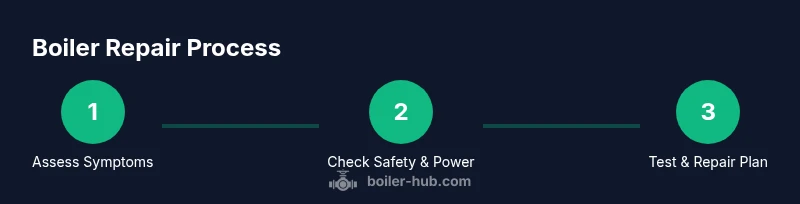
Diagnostic at-home checks: heat, pressure, leaks, and valves\nA practical first step is to inspect the boiler’s display and any indicator lights for error codes. Check the pressure gauge; most residential boilers operate within a certain pressure range, and a reading outside that range may require topping up or a service call. Look for water leaks around the connections, valve joints, and the pressure relief valve (a small lever or valve designed to release excess pressure). Confirm the thermostat is set correctly and that the pump is running if your boiler includes a circulator. If you identify corrosion, damaged seals, or obvious wear on hoses and gaskets, mark these areas for the technician. Keeping a simple photo log of each area helps with remote diagnostics if you seek a virtual consult. Boiler Hub Analysis, 2026 emphasizes that accurate symptom description speeds up on-site visits.
Basic at-home maintenance you can perform safely\nRoutine maintenance reduces the likelihood of unexpected breakdowns. Bleed trapped air from radiators if you have a hydronic system, verify the expansion tank is not waterlogged, and check for consistent boiler temperature during normal operation. Keep the area around the boiler clean and free of clutter to improve airflow and reduce overheating risk. Periodically inspect the venting system for blockages or damage and ensure the condensate drain is clear. When topping up water, use the correct procedure outlined in the user manual; over-pressurizing can cause safety relief issues. Always consult the manual or a pro for steps that involve disassembly or pressure changes. Boiler Hub’s approach prioritizes safe, conservative maintenance that protects occupants and equipment.
When to call a professional: recognizing limits and safety margins\nIf you notice persistent leaks, a burning smell, gas ignition issues, or if the boiler fails to reignite after a restart, it’s time to contact a licensed technician. Complex problems such as defective heat exchangers, failed burner assemblies, or malfunctioning safety controls typically require specialized tools and training. Don’t attempt to bypass safety features or perform electrical work beyond basic checks. For recurring issues, schedule a professional inspection to prevent downtime and ensure your system meets current safety standards. Boiler Hub’s guidance stresses that a pro assessment is often the most economical, safer, and fastest route to reliable heat.
How Boiler Hub guides local repair work: choosing the right pro and setting expectations\nWhen you search for repair near you, prioritize licensed professionals with current certifications, proper insurance, and transparent estimates. Ask about diagnostic fees, what parts might be needed, and the expected timeline. A trusted technician should review the system with you, explain the root cause, and present a clear plan with no hidden charges. Boiler Hub’s stance is to pair homeowners with qualified locals who provide upfront communication, thorough testing, and post-service follow-up for performance verification.
Authority sources and further reading: credible references used\n- Energy.gov: Boiler maintenance and safety guidelines for home heating systems.\n- OSHA.gov: Safety practices for working around boilers and gas-fired equipment.\n- NFPA.org: CO safety and boiler-based vulnerabilities.\nThese sources provide high-level safety standards and best practices you can use to inform decisions and conversations with service professionals.
Tools & Materials
- Multimeter (optional for electrical checks)(Digital, with 200–600V range for typical boilers)
- Adjustable wrench set(For loosening or tightening fittings and valves)
- Screwdrivers (Phillips and flat-head)(Basic control panel access and vent screws)
- Towel or drip pan(Catch leaks when testing or draining lines)
- Flashlight(Inspect hard-to-see areas and valves)
- Pipe sealant or plumber’s tape(Use around threaded connections if resealing)
- Safety gloves and eyewear(Protection against hot surfaces and spills)
- Bucket and towels(Contain any incidental water leakage)
Steps
Estimated time: 60-90 minutes
- 1
Power down and gas shutoff
Locate the boiler’s main power switch and switch it off. If your system is gas-fired, close the local gas shutoff valve only if you smell gas or suspect a leak, otherwise preserve the gas supply and call emergency services if required. This step is essential to prevent electric shock or igniting fumes during inspection.
Tip: If you’re unsure where the shutoff is, consult the user manual or a professional before proceeding. - 2
Inspect for visible leaks and corrosion
With the boiler off, walk around the unit and inspect all joints, fittings, and the pressure relief valve for dampness. Note the location and extent of any leaks, as well as any corrosion or white mineral deposits. Photograph obvious issues for your technician to review.
Tip: Leaking water or corrosion near valves often indicates a gasket or seal failure that may need replacement. - 3
Check the pressure gauge and refill if needed
Read the boiler’s pressure gauge while the system is cold. If the pressure is outside the manufacturer’s recommended range, you may need to top it up using the filling loop according to the manual. Do not exceed the recommended range, since over-pressurization can trigger safety mechanisms.
Tip: Use distilled water if possible to avoid mineral buildup in the system. - 4
Bleed air from the system
If your system has radiators with air vents, use the bleed key or screwdriver to release air trapped inside. Start at the highest radiator and work downward. A hissing sound indicates air is escaping; once water starts to seep, close the valve.
Tip: Keep a cloth handy to catch any dripping water and avoid burns. - 5
Restart the boiler and observe
Return the power and gas supply, then relight if needed according to the manufacturer’s procedure. Watch for ignition and listen for normal burner operation. If the unit fails to start or if the flame is unusually yellow, turn it off and wait for a professional.
Tip: If you’re unsure about the ignition method, consult the manual or a pro rather than forcing a restart. - 6
Test heat delivery and thermostat settings
Set the thermostat to a comfortable temperature and allow the system to run. Check that radiators or underfloor heating respond evenly. If there are cold spots or inconsistent heat, that may indicate circulation or zoning problems.
Tip: Document thermostat settings and any cold spots to share with a technician. - 7
Evaluate next steps and scheduling
If the issue recurs or if warnings appear on the display, schedule a professional inspection. For non-emergency repairs, plan a visit within a reasonable time window and ask for a written diagnostic report with recommended parts and a cost estimate.
Tip: Ask for a diagnostic time estimate, parts list, and a warranty on repairs.
Questions & Answers
What are the most common signs that my water boiler needs repair?
Common signs include no heat, uneven heating, unusual noises, leaks near the unit, and a drop in system pressure. If you notice any of these, start with safety checks and document symptoms before contacting a technician.
Common signs are no heat, odd noises, leaks, or low pressure. Start with safety checks and note symptoms for the technician.
Can I perform boiler repairs myself?
Some safe, basic maintenance tasks can be done by homeowners, such as bleeding air and checking the pressure gauge. Most repairs, especially those involving gas, electricity, or sealed components, require a licensed professional.
Only do safe maintenance tasks. For gas, electricity, or internal components, hire a licensed professional.
How should I choose a boiler repair technician near me?
Look for licensed technicians with current certifications and insurance. Check reviews, request a written diagnostic, and ask for a detailed parts and labor estimate before work begins.
Choose licensed professionals with insurance, read reviews, and get a written estimate before work.
What safety standards should I expect from a boiler service?
A reputable service should follow local codes and safety guidelines, perform a thorough inspection, test safety controls, and provide a clear explanation of findings and next steps.
Expect code-compliant safety checks and a clear, written plan from the service.
How long does a typical boiler repair take?
Repair duration varies with the problem and parts availability. A basic diagnostic visit can take an hour or two, while more complex repairs may require scheduling and additional visits.
Diagnostic visits take about an hour or two; complex repairs may need more time.
Should I replace my boiler after multiple repairs?
Repeated repairs can indicate an aging system. A professional can help evaluate efficiency, reliability, and future costs to decide between repair and replacement.
If repairs are frequent, consider replacement for long-term reliability.
Watch Video
Key Points
- Inspect early and often to catch leaks and temperature issues.
- Safety first: shut off power and gas before any inspection.
- Document symptoms clearly for faster professional diagnostics.
- Choose licensed professionals and verify insurance before signing a repair contract.