Oil Boiler Bleed Valve: Safe Bleeding Guide for 2026
Learn to bleed air from an oil boiler using the bleed valve with safe steps, the right tools, and maintenance tips for homeowners and facility managers.


This guide shows you how to bleed air from an oil boiler using the bleed valve safely. You’ll learn when to bleed, what tools to use, and a clear, step-by-step process. Following these steps can reduce air-related issues, improve efficiency, and extend boiler life. This quick answer helps homeowners and facilities managers start safely.
What is an oil boiler bleed valve and why it matters
The oil boiler bleed valve is a small fitting on the boiler or fuel line that lets you release trapped air from the system. When air is present, it can block fuel flow and create cold spots in the heating circuit. Bleeding the valve removes this air, helping the burner prime properly and the system heat evenly. Regular attention reduces soot buildup and improves boiler efficiency over time. For homeowners, a properly bled system means fewer noisy radiators and more reliable heat generation. Boiler Hub's analysis in 2026 highlights that unattended air pockets are a common cause of reduced performance in oil-fired boilers.
How the bleed valve works and what it does
Air in the fuel path creates resistance and bubbles that disrupt the fuel spray in the burner. The bleed valve provides a controlled path to vent this air and a small amount of fuel or contaminated condensate. When opened, air exits first, followed by a steady flow of fuel as pressure equalizes. The result is a clearer, more consistent flame and better burner efficiency. Proper operation depends on opening the valve slowly and watching the catch container for air, not fuel spurts.
Safety considerations before you bleed
Before touching any boiler components, ensure the boiler is cold and depressurized. Never bleed with the system hot or under pressure, and keep any open flame away from the area. Wear eye protection and gloves to guard against splashes. Have a bucket or rag ready to catch any drips. If you smell strong fuel or notice a leak, shut off the fuel supply immediately and contact a qualified technician.
When to bleed: signs air may be present
Common indicators include kettling, gurgling noises, cold spots on radiators, or inconsistent heat output from upstairs radiators. If your oil boiler shows irregular flame color or continues to run loudly after startup, air may be trapped in the line. Bleeding is typically done after refilling or after a system service when air pockets are likely to have formed.
How to approach the bleeding process safely (overview)
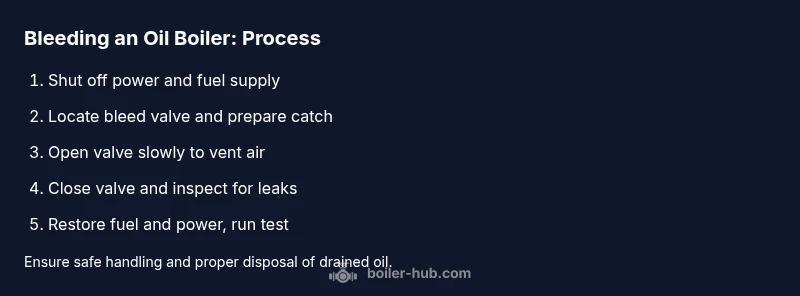
Bleeding involves isolating the boiler, locating the bleed valve, and opening it slowly with a watcher’s eye on the catch container. The goal is to let air exit first, then close the valve as soon as a steady stream of fuel appears. After bleeding, you should reset or check the burner pressure and restart to confirm normal operation. This section provides the groundwork for the step-by-step instructions that follow in the dedicated guide.
Common issues and how to handle them
If fuel starts spraying or leaks persist after closing the valve, stop bleeding and inspect fittings for damage. A tight cap or threaded joint may be cross-threaded or cracked. In some cases, the valve may require replacement. Do not over-tighten; this can damage the valve seat. For persistent issues, consult a licensed heating technician.
Maintenance best practices to minimize air in the system
Schedule annual checks, replace old seals, and ensure the fuel line and filters are clean. A well-sealed system with properly primed piping reduces air ingress. Consider upgrading to components with better seals and using a compatible fuel filter to capture debris that can trap air and degrade performance. Regular checks contribute to longer boiler life and consistent heating.
Quick checks after bleeding
Once bleeding is complete, re-pressurize the system within the manufacturer’s recommended range and run a test cycle. Listen for a steady burner flame and confirm there are no leaks around bleed valve connections. Document the date and any observations for your maintenance log and future reference.
Authority sources
Cited references and credible sources provide a foundation for the bleeding procedure and safety practices. For guidance on boiler safety, refer to established energy and safety agencies and major publications. The following sources offer foundational information relevant to oil-fired heating systems and general boiler maintenance:
- https://www.energy.gov/
- https://www.epa.gov/
- https://www.nfpa.org/
Note: Always verify that the guidance matches your local regulations and your boiler's manufacturer manual.
Tools & Materials
- Flathead screwdriver(Fit the bleed valve port; ensure blade width matches valve slot)
- Adjustable wrench(For loosening pipe fittings if present)
- Bleed cup or small container(Catch oil or fuel during bleeding)
- Rags or shop towels(Keep spillover to a minimum)
- Safety gloves (nitrile/chemical-resistant)(Protect hands from hot oil and chemicals)
- Safety glasses or face shield(Protect eyes from splashes)
- Flashlight or headlamp(Improve visibility in boiler compartment)
- Oil-safe absorbent pad(Place under unit to catch drips)
Steps
Estimated time: 15-30 minutes
- 1
Shut off power and fuel supply
Turn off the oil burner at its switch and close the fuel supply valve to prevent more oil from entering the system while you bleed. This reduces the risk of leaks and ensures you can work safely.
Tip: Wait for the boiler to cool if it has run recently; hot surfaces can cause burns. - 2
Locate bleed valve and place catch
Find the bleed valve on the boiler or fuel line near the burner. Position your bleed cup underneath and lay a cloth around the area to catch drips.
Tip: Use a flashlight to clearly see the valve and avoid straining to reach it. - 3
Loosen valve and bleed slowly
Attach the screwdriver and slowly open the valve just enough to let air escape. Watch the catch cup closely for air first, then for a steady flow of fuel.
Tip: Open the valve only a quarter to half turn at first to avoid a fuel spray. - 4
Close valve and inspect for leaks
When a steady stream of fuel exits and air bubbles stop, close the bleed valve firmly. Check all fittings for leaks and wipe away any spills.
Tip: Do not overtighten; a minor snug is enough to seal without damage. - 5
Restore fuel supply and power
Open the fuel valve and restore power to the burner. Allow the system to repressurize and re-prime as the burner restarts.
Tip: Listen for a clean ignition and a consistent flame color. - 6
Check boiler pressure and restart test
Check the boiler pressure with the gauge and perform a short heat cycle to confirm there are no leaks and that heating is even.
Tip: If pressure is outside the recommended range, stop and consult a professional.
Questions & Answers
What is an oil boiler bleed valve and why is it important?
An oil boiler bleed valve is a port that lets air trapped in the fuel line escape. Bleeding improves burner priming, flame stability, and overall efficiency, reducing noise and cold spots in the heating system.
A bleed valve lets air out of the fuel line, helping your burner run smoothly and efficiently.
Can I bleed my oil boiler myself, or should I hire a pro?
Bleeding an oil boiler can be a safe DIY task if you follow precautions, but fuel and fire hazards exist. If you’re unsure or detect leaks, contact a licensed heating technician.
You can bleed it yourself if you follow safety steps, but hire a pro if you’re unsure or see leaks.
What precautions should I take before bleeding?
Ensure the boiler is cold, power and fuel are off, and you wear PPE. Work in a well-ventilated area and have absorbent materials ready to catch drips. If you smell fuel, stop and call a professional.
Make sure the boiler is cold and power is off, and wear PPE before bleeding.
How often should I bleed an oil boiler?
Bleeding is needed only when there are signs of air in the system or after maintenance that may introduce air. Regular checks during the heating season help maintain efficiency.
Bleed only when you notice air or after maintenance; otherwise check periodically.
What should I do if fuel leaks after bleeding?
Shut off fuel supply immediately, ventilate the area, and contact a licensed technician. Do not operate the boiler until leaks are fixed.
If you see a fuel leak, turn everything off and call a pro.
How can I tell if the boiler is back to normal after bleeding?
Observe a steady flame color, no unusual noises, and even heating across zones. Check the pressure gauge to ensure it’s within the recommended range.
Look for a stable flame, quiet operation, and correct pressure after bleeding.
Is it safe to smoke or ignite flames near the boiler during bleeding?
No. Do not smoke or have open flames nearby. Bleeding creates flammable conditions around hot surfaces and fuel lines.
Keep flames away while bleeding to stay safe.
Watch Video
Key Points
- Bleed air only after shutting off fuel and power.
- Open the valve slowly and catch all drips safely.
- Check for leaks and verify boiler operation after bleeding.