How to Use a Boiler Heater: A Practical Home Guide
Learn how to use a boiler heater safely and efficiently with a practical step-by-step guide designed for homeowners and facility managers, covering startup, controls, maintenance, and safety checks.


To use a boiler heater safely, perform checks, start the system, set your comfort temperature, and monitor for leaks or abnormal noises. This concise guide points you toward a full step-by-step approach for safe operation and efficient heating.
Understanding Your Boiler Heater: Types and Safety
Boiler heaters come in several configurations, including combi (combination), system, and conventional (regular) boilers. Each type has its own installation footprint, flow characteristics, and maintenance needs. Before you operate any boiler heater, take time to identify your model and read the user manual. This knowledge helps you follow the correct startup sequence and avoid safety risks. The goal of this guide is to explain how to use boiler heater safely across common setups, so you can maintain comfort and safety in your home. According to Boiler Hub, knowing the type of boiler you have is the first step toward safe and efficient operation. For most homes, gas-fired boilers dominate, but oil and electric models are common in some regions. Regardless of fuel, modern boilers rely on closed venting, safe ignition, and automatic controls to regulate heat. Recognizing how your unit is designed will inform everything from thermostat settings to routine maintenance.
Safety first: essential precautions before turning on your boiler
Safety should be your first priority whenever you prepare to use a boiler heater. Start by ensuring the power switch is off and the fuel supply (gas, oil, or electricity) is isolated according to the manufacturer’s instructions. Verify that CO detectors are functional and that the area has adequate ventilation. Do not operate a boiler with obvious signs of damage, leaks, or corrosion. Keep a clear space around the boiler to prevent tripping hazards and accidental contact with hot surfaces. If you detect any strong gas odor, evacuate the area immediately and contact the utility emergency line. These precautions reduce the risk of fire, gas leaks, and carbon monoxide exposure. The Boiler Hub Team emphasizes safety as the foundation of all heating tasks.
Tools and controls you'll encounter on common boiler heaters
Modern boilers use a combination of digital and mechanical controls, but the core concepts stay the same. You’ll likely encounter a thermostat or control panel, a pressure relief valve, a fill valve, and a purge or bleed function. Some units include a timer or smart features that learn your heating patterns. The control panel may display error codes, which you should consult the manual to interpret. You may see a pilot light or electronic ignition depending on the model. Reference diagrams or color-coded labels in the service panel to avoid guesswork. For visual guidance, check your model’s installation sheet. As you operate, occasionally compare the readings on the gauge with the expected ranges in your manual. This helps you catch small issues before they become problems.
Step-by-step: preparing the system, lighting or starting
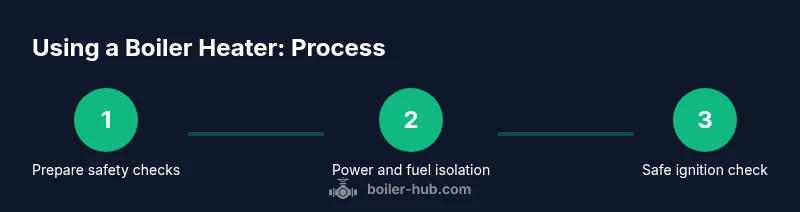
In this section, you’ll find a narrative outline of the typical sequence used to prepare a boiler for operation. Begin with safety checks, then isolate power and fuel as needed, inspect the service area, and ensure ventilation. If your model uses a pilot, consult the manual for relighting procedures. For smart systems, verify connectivity with your thermostat. Throughout the process, watch for any unusual signs (burning smell, dampness, or loud noises) and halt operation if observed. A well-prepared start reduces ignition issues and optimizes performance.
Setting temperatures and zoning for comfort
Once the boiler is ready, set the thermostat to maintain a comfortable indoor temperature. Zoning can improve efficiency by heating only occupied areas or by using weather-compensation controls where available. If you’re unsure, start with a moderate setting and adjust gradually over several days to minimize energy spikes. For homes with older radiators, balance valves to distribute heat evenly and prevent cold spots. The goal is steady, consistent heat without frequent on-off cycling, which wastes energy and wears components. According to Boiler Hub, aligning thermostat settings with your living patterns yields better comfort and efficiency.
Bleeding air and checking pressure: practical guidance
Air trapped in the heating system can cause cold spots, banging noises, and reduced efficiency. Periodically bleed radiators to remove air pockets, using a bleed key and a rag to catch drips. After bleeding, check the boiler’s pressure gauge and restore the proper range following the manual’s guidelines. If your system uses a fill valve, add a little water slowly and recheck; do not overfill. Keeping the system free of air and within the recommended pressure range helps maintain steady temperature delivery and prolongs component life. If you notice persistent air accumulation, consult a professional.
Energy efficiency and cost-saving practices
Efficient operation starts with regular maintenance, proper programming, and smart usage of your boiler heater. Schedule routine service checks, replace worn gaskets, and ensure vents and flues are clear. Use a thermostat that matches your daily routine, and consider weather compensation if available. Insulate pipes and ensure doors and windows are well-sealed to reduce heat loss. Boiler Hub Analysis, 2026 suggests that well-timed service and smart scheduling significantly reduce energy waste and extend boiler life, benefitting both budgets and comfort. Always aim to solve leaks, drafts, and insulation gaps first for the biggest payoff in efficiency.
Troubleshooting common issues while the system is in use
Even with careful setup, occasional issues occur. Common symptoms include no heat, weak heat, unusual noises, or water leaks. Start with simple checks: confirm power and gas supplies, ensure thermostats are calling for heat, and inspect visible pipes for dampness. If heat is inconsistent, verify zone valves and balancing. For noisy boilers, identify whether sounds come from expansion, air, or burner operation. If you detect a gas odor or see signs of CO, evacuate and contact emergency services. Persistent problems usually require a licensed technician.
When to call a professional and safety red flags
Certain situations demand professional intervention. If you notice persistent gas smells, carbon monoxide alarms, strong hissing or banging noises, or leaking water near electrical components, shut down the system and call a qualified technician. Do not attempt complex gas adjustments or venting alterations yourself. The Boiler Hub Team recommends scheduling annual comprehensive checks and promptly addressing any safety concerns to prevent dangerous failures.
Tools & Materials
- Boiler manual(Always keep the specific model manual accessible)
- Thermostat (digital or smart)(Ensure compatibility with your boiler)
- Screwdriver set(Phillips and flat-head for service panels)
- Bleed valve key(Use for radiators with bleed valves)
- Towels or absorbent cloth(Catches drips when bleeding radiators)
- Safety goggles(Protect eyes during inspection and bleeding)
- Flashlight(Illuminates dark boiler cabinets)
- Leak detection solution(Helpful for locating small leaks)
Steps
Estimated time: 45-90 minutes
- 1
Shut off power and isolate fuel
Turn off the boiler at the main switch and isolate the gas or fuel supply per the manual. This prevents accidental ignition while you perform safety checks.
Tip: Always verify power is truly off with a tester before touching wiring. - 2
Inspect exterior and panels
Visually inspect the boiler housing for signs of damage, corrosion, or leaks. Wipe away dust to improve sensor readings and check that access doors fit snugly.
Tip: Never force a panel; use the proper screwdriver to avoid stripping screws. - 3
Open service panel and inspect components
Carefully open the service panel and look for soot, corrosion, or wear on the burner and ignition system. Do not adjust gas connections unless you are qualified.
Tip: If you see soot buildup, schedule professional cleaning. - 4
Test controls and thermostat
Ensure the thermostat is set to heating mode and that the control panel displays normal readings. If you have a smart thermostat, confirm the app communicates with the boiler.
Tip: Keep the thermostat away from drafts or heat sources for accurate readings. - 5
Relight pilot or engage electronic ignition
Follow the manufacturer’s relighting procedure if the pilot has gone out. Use proper lighting methods and ensure adequate ventilation.
Tip: Never relight if you smell gas or hear a hiss; evacuate and call the utility. - 6
Confirm burner ignition and flame color
Watch for a steady blue flame in gas models or proper operation in electric models. A yellow or flickering flame indicates an issue needing service.
Tip: If flame is absent, do not force ignition; consult a pro. - 7
Set heating schedule and temperatures
Program or manually set the target temperature according to season and occupancy. Use a setback schedule to reduce energy use when spaces are empty.
Tip: Avoid extreme temperature swings to prevent stress on the boiler. - 8
Bleed radiators if needed
If some radiators remain cold at the top, bleed air using the bleed valve and a rag to catch any dripping water.
Tip: Bleed from the highest radiator first to remove air pockets efficiently. - 9
Check system pressure and fill if needed
Refer to the manual for the correct pressure range and fill procedure. Use the filling loop carefully to bring pressure within the recommended range.
Tip: Don’t over-pressurize; over-pressurizing can stress components. - 10
Observe performance and leaks
Run the system for a short period and listen for abnormal noises or leaks. Inspect joints and valves for dampness after warming up.
Tip: If you notice leaks, power down and call a professional promptly.
Questions & Answers
What safety steps should I take before turning on a boiler heater?
Begin with power and fuel isolation, verify CO detectors, ensure ventilation, and inspect for damage. If you smell gas or see corrosion, pause and contact a professional. Always follow the manufacturer’s guidelines for your model.
Always cut power and isolate fuel before touching the boiler, check CO detectors, and inspect for damage. If you smell gas, leave the area and call for help.
How do I know if my boiler needs air bleeding?
Radiators that stay cold at the top or make banging noises usually indicate trapped air. Bleeding the radiators allows air to escape and restores even heat distribution. If the issue persists after bleeding, a professional should inspect the system.
If some radiators are cold at the top or you hear banging, bleed them to release air. If problems continue, contact a pro.
What temperature should I set the thermostat to for comfort and efficiency?
Set a comfortable baseline (often around 68°F / 20°C) and adjust gradually. Use a schedule to lower heat when the space is unused. Avoid extreme fluctuations that strain the boiler.
A good starting point is around 68 degrees Fahrenheit, adjusting gradually and using a schedule to save energy.
Can I perform boiler maintenance myself, or should I hire a pro?
Basic checks and cleaning of accessible parts are generally safe, but tasks involving gas connections, combustion, or venting should be left to a licensed professional. Regular professional inspections are recommended.
Simple checks can be done by you, but gas and vent work should be handled by a licensed pro.
What are common boiler issues that signal a professional is needed?
No heat, unusual noises, leaks, or persistent smell of gas are red flags. If you encounter any, shut down and contact a qualified technician promptly.
If you have no heat, strange noises, leaks, or gas smells, call a professional right away.
Is it safe to ignore minor efficiency drops?
Minor efficiency declines can indicate developing issues like clogging or valve drag. Addressing them early reduces energy waste and prolongs system life. If in doubt, schedule a check.
Don’t ignore small drops in efficiency—timeout checks can prevent bigger problems.
How often should I service my boiler?
Most systems benefit from an annual professional service that includes safety checks, burner cleaning, and vent inspection. Some models or climates may require more frequent attention.
Annual service is a good rule of thumb, with more frequent checks if you have a high-use or older system.
Watch Video
Key Points
- Identify boiler type and read the manual before use.
- Safety first: isolate power and fuel, verify CO detectors.
- Use proper controls and set sensible temperatures.
- Bleed air and monitor pressure to maintain performance.
- When in doubt, call a professional rather than DIY risky fixes.