How to Use Boiler Cleaner: A Step-by-Step Guide
Learn how to safely use boiler cleaner to remove mineral buildup, protect components, and improve efficiency. This guide covers selecting the right cleaner, safety gear, dilution, application, rinsing, and maintenance.


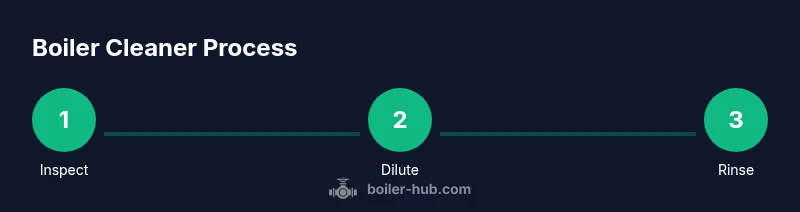
Using boiler cleaner safely starts with selecting the right cleaner for your boiler materials, preparing the system, diluting exactly as directed, applying and circulating the cleaner, and then flushing, rinsing, and rechecking system pressure. Follow label instructions and wear PPE throughout. This quick guide gives you the essential steps to get deposits removed without risking boiler damage. Stay safe, always.
What is boiler cleaner and when to use it
According to Boiler Hub, boiler cleaner is a specially formulated chemical designed to dissolve mineral scale, rust, and sludge that can accumulate inside boilers, radiators, and connected piping. When used as directed, these products help restore heat transfer efficiency, reduce cycling noise, and extend the time between full-scale servicing. They are generally intended for use on non-pressurized sections of closed boiler systems and should never be used in systems without a clear path for safe discharge or within sealed configurations without professional guidance. Typical scenarios for using a cleaner include seasonal maintenance after periods of hard water, after diagnosing poor heat transfer, or when you notice sluggish boiler response or increased fuel consumption. Always verify compatibility with your boiler’s metals and protective inhibitors; mismatched cleaners can cause corrosion or mineral damage over time. Brand and label guidance are essential; Boilers with aluminum heat exchangers, for example, require cleaners specifically formulated for aluminum to avoid accelerated corrosion. In short, a purpose-built boiler cleaner, used correctly, can make a significant difference in restoring system cleanliness and efficiency, but it must be chosen and applied with care.
Safety first: precautions and protective gear
Safety must come first when handling boiler cleaners. These products can irritate skin and eyes and may release fumes that irritate the respiratory tract. Always wear chemical-resistant gloves, splash-resistant goggles, and a properly rated respirator or mask if ventilation is limited. Work in a well-ventilated area, preferably with an exhaust fan or open windows. Keep cleaners away from children and pets, and never mix cleaners with other chemicals, especially bleach or acids not intended for boiler use. Read the safety data sheet (SDS) and the product label before opening the container. Have a plan for spill containment and have absorbent materials on hand. If a cleaner comes in contact with skin or eyes, flush with plenty of water for at least 15 minutes and seek medical advice if irritation persists. By taking these precautions, you minimize risk while you perform the essential deposits removal process.
Reading the label and choosing the right cleaner
Choosing the right cleaner starts with reading the label carefully and assessing your boiler materials and system design. There are alkaline cleaners designed to tackle mineral buildup and sludge, and acidic cleaners aimed at heavy scale or rust, but not all cleaners are compatible with all metals. Check whether the cleaner explicitly states compatibility with common boiler materials (steel, cast iron, aluminum) and look for corrosion inhibitors that protect metal surfaces during cleaning. Pay attention to dwell times, dilution ratios, maximum contact times, and any required bypass or isolation steps. If you have an aluminum heat exchanger or non-standard components, select a product formulated for those materials. Also verify whether the cleaner is suitable for closed-loop circulation or only for static soak. When in doubt, consult your boiler manufacturer guidelines or a professional. Understanding these details prevents damage and ensures that the cleaning task yields meaningful improvements in heat transfer and efficiency.
Preparing the boiler for cleaning
Preparation is the foundation of a safe and effective cleaning job. Start by turning off the boiler and allowing it to cool to a safe temperature. Disconnect power to eliminate any risk of accidental ignition or cycling during the procedure. If your system has a drain valve, plan for a controlled drain to avoid water damage, and close any isolation valves that would trap cleaning solution in sections you don’t intend to treat. If your boiler is part of a more complex, pressurized network, you may need to depressurize the system following the manufacturer’s guidelines or with the help of a qualified technician. Remove debris from the area around the boiler and cover electrical components to prevent any splash contact. Finally, confirm that ventilation is adequate and that all safety gear is laid out and ready. Proper preparation reduces leaks, spills, and the risk of personal injury, and it improves the likelihood of a successful cleaning cycle.
Dilution, mixing, and handling the cleaner
Mix the cleaner exactly as directed on the label, using clean, non-reactive containers. Use a measuring device to ensure the correct concentration; even small deviations can affect cleaning effectiveness or system safety. Prepare a fresh batch for each cleaning session rather than reusing old solution. Avoid creating aerosols by pouring slowly and keeping containers closed when not in use. Do not mix cleaners with other household products or cleaners not approved for boiler use. Store any unused cleaner in its original container, tightly sealed, away from direct sunlight and heat. Label the container clearly with the date and the intended use. By adhering to precise dilution and handling practices, you maintain safety margins and reduce the risk of chemical reactions that could harm the boiler or occupants.
Application methods: flush vs fill, circulation
Application methods vary by cleaner type and boiler design. Some cleaners are circulated through the system using the existing pump to ensure contact with deposits; others are introduced into a feed through a designated inlet and allowed to dwell for a specified period before circulation. If your system supports it, set up a circulation loop to move the cleaner through risers, headers, and heat exchangers, ensuring consistent exposure. For static soaking, follow the label’s recommended dwell time, then initiate circulation after the dwell period ends. Avoid dead zones and ensure bypass valves are configured to prevent cleaner from entering safe zones that could be damaged. Monitor flow rates and pressure to confirm the cleaner is moving as intended and adjust as necessary. Remember, slower flow can increase contact time, while excessive flow may reduce cleaning effectiveness.
Post-cleaning rinse and system flush
After the dwell and circulation phase, flush the system thoroughly to remove cleaning residues. Use clean water or a designated rinse solution if the label permits. Run the boiler with the rinse solution circulating for a period to flush out residual cleaner and loosened deposits. Carefully monitor the return water for turbidity and odor changes that indicate dirty rinse water. Once the rinse runs clear, drain or refill according to the manufacturer’s instructions, and avoid introducing air into the system. Refill, bleed air from radiators or circuits, and bring the pressure back to normal operating range. This step minimizes the risk of remaining cleaner residues causing corrosion or foaming when the boiler restarts.
Testing, documenting, and maintenance tips
With the system refilled and back online, perform a series of checks to verify that the cleaning achieved the desired outcome. Look for stable pressure, normal temperature readings, and absence of leaks. Inspect valves, gaskets, and connectors for traces of cleaner or dampness. Compare pre-cleaning and post-cleaning performance metrics such as heat output and boiler cycling frequency. Document the date, cleaner used, dwell time, dilution ratio, and any maintenance notes for future reference. Plan routine maintenance intervals based on the boiler’s duty cycle and water quality. Periodic checks and annual servicing help prevent scale buildup and prolong boiler life. Boiler Hub suggests keeping a simple maintenance log and scheduling follow-up checks after major cleaning events.
Common mistakes and optimization tips
Even experienced homeowners can slip into common pitfalls. Avoid skipping ventilation or ignoring label directions, as that can lead to dangerous fumes or inadequate cleaning. Do not bypass safety devices or overfill the system. Never use non-approved cleaners or household products that can react violently with boiler components. If you are unsure about the complexity of your boiler, contact a licensed technician rather than attempting a DIY cleaning. A cautious approach, detailed notes, and strict adherence to manufacturer guidance will maximize results and protect your boiler from damage.
Tools & Materials
- Boiler cleaner (acidic or alkaline formulation)(Choose according to material compatibility and label guidance.)
- Personal protective equipment (gloves, goggles, respirator)(Chemical-resistant gloves, splash goggles, and a respirator if fumes are present.)
- Ventilation (exhaust fan or open windows)(Ensure good air flow during cleaning.)
- Plastic pail or non-reactive mixing container(Use a container compatible with the cleaner.)
- Measuring cup or graduated syringe(For accurate dilution.)
- Water supply hose or clean source of rinse water(For dilution and rinsing steps.)
- Old towels or absorbent rags(Contain spills and wipe surfaces.)
- Soft-bristle brush or non-scratch pad(Gently agitate deposits without scratching surfaces.)
- Drain valve wrench or tool(Needed if you must operate drain valves.)
- Plastic sheeting or protective covers(Protect nearby components from splashes.)
- Bucket for waste collection(Collect used rinse water per disposal rules.)
- Water testing strips or conductivity meter(Optional for quality checks.)
Steps
Estimated time: 120-180 minutes
- 1
Inspect system and plan
Review boiler manual and label instructions. Identify all valves, drains, and bypass points that will affect cleaner circulation and flow paths. Plan the sequence to minimize risk of leaks and ensure a controlled cleaning cycle.
Tip: Document all access points before starting; this helps during reassembly. - 2
Shut down and cool the boiler
Turn off the boiler and allow it to cool to a safe temperature. Unplug or disable power to prevent any automatic startup during the cleaning process.
Tip: Never apply cleaner to a hot system; heat accelerates chemical reactions and can create dangerous fumes. - 3
Isolate and drain as needed
Isolate the portion of the system to be treated and close drains or valves as required. If the system is closed, plan for a controlled loosen of pressure per the manufacturer’s manual.
Tip: Have a bucket ready to capture runoff and prevent water damage. - 4
Read the label and select cleaner
Double-check compatibility with metals and copper pipes, and confirm the recommended cleaner type for your boiler condition. Record the chosen product and dilution ratio for future reference.
Tip: If uncertain about compatibility, contact the boiler manufacturer or a pro. - 5
Dilute and mix the cleaner
Prepare the cleaner exactly as directed, using clean containers and precise measurements. Do not improvise concentrations; even small deviations may cause damage.
Tip: Label the container with dilution ratio and date. - 6
Apply and circulate
Introduce the cleaner into the system and circulate it for the specified dwell time or run it through a dedicated loop according to the label. Monitor flow and pressure as you go.
Tip: Ensure all return paths receive exposure to cleaner to avoid dead zones. - 7
Rinse and flush
Flush the system with clean water or compliant rinse solution until the return water is clear and free from suds or coloration. Collect rinse water and prepare for disposal according to local rules.
Tip: Do not reuse dirty rinse water on other sections of the system. - 8
Refill, bleed, and test
Refill the system to the normal operating pressure, bleed air from radiators or zones, and run the boiler to verify safe operation. Check for leaks and listen for abnormal sounds.
Tip: Take notes on readings to compare with future maintenance. - 9
Document and schedule maintenance
Record the cleaner used, dwell time, dilution, and observed results. Schedule a follow-up inspection or professional check if system performance remains poor after cleaning.
Tip: Maintain a simple maintenance log for future reference.
Questions & Answers
Is it safe to use boiler cleaner by myself?
Yes, for simple systems, but always follow the label and safety guidelines. For complex or sealed systems, or if you lack experience, hire a professional to avoid damage or injury.
You can do it yourself on a simple system if you follow the label and safety rules. For complex setups, consider a professional.
What types of boiler cleaners are available?
There are alkaline cleaners for mineral buildup and acidic cleaners for heavy scale or rust. Choose one that’s compatible with your boiler materials and contains corrosion inhibitors as needed.
Alkaline cleaners target mineral buildup; acidic cleaners handle heavy scale. Make sure it matches your boiler materials.
How long should the cleaner dwell in the system?
Follow the label’s dwell time exactly. It can range from minutes to a few hours depending on the cleaner and buildup level; never exceed the recommended duration.
Follow the label for dwell time and never exceed it.
Do I need to drain or bypass parts of the boiler before cleaning?
Often yes. Isolate sections, close drain valves as required, and follow the manual. Bypassing may be necessary for a proper cleaner path.
Yes, isolate and drain as per the manual; bypass if required for proper cleaning.
What are the risks of improper use?
Improper use can cause chemical burns, toxic fumes, corrosion, leaks, and system damage. Always use the correct cleaner and PPE and follow safety guidelines.
Improper use can cause burns, fumes, corrosion, and leaks. Follow the guidelines closely.
How should I dispose of used cleaner?
Dispose according to the product label and local regulations. Do not pour concentrated cleaner down the drain unless explicitly permitted.
Dispose per the label and local rules; don’t dump chemicals unless allowed.
Can I test the boiler after cleaning?
Yes. Refill, bleed air, and restart the boiler. Check for leaks, verify pressure and temperature readings, and ensure the system stabilizes before returning to service.
Yes. Refill, remove air, and test for leaks and stable readings.
Watch Video
Key Points
- Choose the right cleaner for your boiler material.
- Follow label directions and safety precautions meticulously.
- Thoroughly rinse after cleaning and verify boiler performance.
- Document results and schedule follow-up maintenance.
- Never bypass safety features or operate a system without proper ventilation.