How to Stop a Boiler Kettling: A Practical Guide
Learn how to stop a boiler kettling with a safe, practical plan. This guide covers causes, immediate safety actions, non-destructive diagnostics, a step-by-step fix plan, maintenance tips, and when to call a pro.


How to stop a boiler kettling requires prompt, safe action. To start, shut off the boiler if you can do so safely, and let the system cool. Then inspect for common causes—low water level, limescale buildup, air locking, and restricted flow—and proceed with safe descale or professional service as needed.
What kettling is and why it happens
Kettling in a boiler describes a condition where pockets of steam form inside the heat exchanger, causing the water to overheat and boil in discrete pockets. It creates clanging noises, reduced heating efficiency, and uneven temperatures. The most common culprits are mineral scale buildup from hard water, restricted flow due to sludge, and air locks that trap air in zones of the system. If you're wondering how to stop a boiler kettling, the first step is to understand that the cause will guide your actions. Regular maintenance can significantly reduce recurrence, especially in regions with hard water. In many homes, kettling develops after seasons of inactivity or following a partial refill of the system. The remedy ranges from simple flushing to professional descaling, depending on the severity. Remember that kettling may indicate a deeper issue such as a failing pump or pressure valve, so do not ignore persistent noises or leaks. With the right approach, you can restore safe operation and protect boiler components without unnecessary risk.
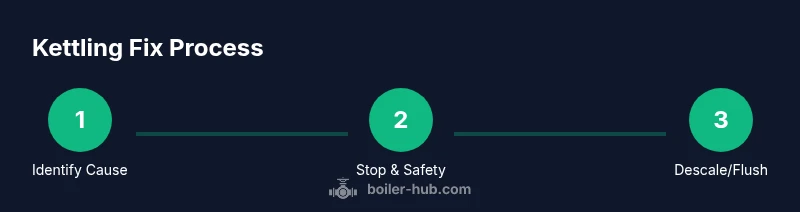
Key takeaway: Start by identifying the cause, then choose a safety-first action plan. This issue is common in hard-water areas and after changes in the system, so regular maintenance matters. (Boiler Hub Analysis, 2026)
Immediate safety actions you should take
Immediate safety is the priority. If you can do so safely, switch off the boiler at its power switch and, if applicable, shut the gas supply using the dedicated valve or appliance shutoff. Do not open hot sections or the pressure relief valve; there is a scald risk. Ensure the area is ventilated and keep children and pets away. If you detect strong gas odors or signs of danger, evacuate and call emergency services. Once cooled, check for obvious leaks or pooling water around the unit. If kettling recurs after these basic checks, plan to seek professional help. These steps minimize risk to you and your home while you assess the next actions.
Note: Do not operate the boiler while kettling is suspected—the risk of damage increases with heat and pressure.
Common causes of kettling in boilers
Kettling typically results from mineral scale buildup, which impedes heat transfer and creates steam pockets. Hard water deposits can accumulate on heat exchanger surfaces, forcing the boiler to work harder and hotter. Sediment or sludge in return lines reduces circulation and can promote localized overheating. Air locks can trap air in radiators or in the boiler circuit, leading to inconsistent flow. A failing circulating pump, faulty valves, or an overworked boiler due to incorrect sizing can also contribute. Finally, low water pressure or a partially blocked expansion tank may cause the system to operate under abnormal conditions. Understanding these causes guides the remedy, from descaling to a full system flush and component checks.
How to diagnose kettling safely (non-destructive steps)
Begin with non-destructive checks only. Ensure the system is cool and the power is off before touching any components. Inspect the boiler pressure gauge; verify readings align with the manufacturer’s recommended range. Note any rising, falling, or fluctuating pressures, which can signal restricted flow or trapped steam. Listen for banging or percussive sounds, counting the occurrences to gauge severity. Inspect accessible piping for sludge or brown-water remnants indicating sediment accumulation. Do not open the boiler casing or attempt heat-exchanger work unless you’re trained. If an expansion tank is accessible, check for a waterlogged bladder and verify drainage is clear. Radiator bleed should be performed only if you are competent, and the power is off.
Step-by-step plan to reduce kettling risk
A proactive approach combines inspection, regular maintenance, and safe corrective actions. Start with a pressure check and radiator bleed as a baseline. Then, plan a system flush or descaling if mineral buildup is evident. Ensure all shutoff valves operate smoothly and the return lines are clear of debris. If you notice persistent noise, overheating, or fluctuating pressure after a flush, escalate to professional service. Finally, implement a preventive schedule: annual boiler service, periodic descaling in hard-water areas, and routine radiator bleeding after refills to maintain optimal circulation.
When to call a professional
If kettling continues after a basic flush and non-destructive checks, or if you observe leaks, unusual gas odors, or persistent overpressure, contact a qualified boiler technician. A pro can perform a thorough descaling, test the heat exchanger for damage, verify the pump and valves function correctly, and inspect the expansion tank and pressure regulator. Do not attempt professional-grade maintenance beyond your training. Schedule service promptly to avoid long-term damage or unsafe conditions.
Prevention and maintenance to minimize kettling
Routine maintenance is the best defense. Annual boiler servicing helps catch early signs of scale, sludge buildup, or valve issues before kettling starts. In hard-water regions, consider annual descaling or an appropriate water treatment program to reduce mineral deposits. Regularly bleed radiators to maintain system balance and inspect pressure levels monthly. Keep an eye on running noises and hot spots in the radiators as early warning signals. Finally, ensure the boiler is correctly sized for your home and that zoning and pump configurations promote balanced flow. A proactive maintenance routine reduces kettling risk and extends boiler life.
Tools & Materials
- Heat-resistant gloves(Protect hands from heat and chemical exposure)
- Safety goggles(Eye protection during flushing or descaling)
- Bucket and towels(Contain spills and catch drips)
- Non-metallic brush or sponge(Gently scrub sludge without scraping heat exchanger)
- Radiator bleed key(Release trapped air from radiators if needed)
- Boiler descaler or mineral scale remover(Use only if manufacturer-approved; follow label directions)
- Water test kit or pH strips(Assess water quality to inform maintenance needs)
Steps
Estimated time: 60-120 minutes
- 1
Power down safely
Turn off the boiler and disconnect power where accessible. If you have a gas boiler, close the gas valve only if you can do so safely from a distance. This prevents accidental ignition or further heating during inspection.
Tip: Ensure the area around the boiler is dry and clear before touching any controls. - 2
Check water level and pressure
Read the pressure gauge to confirm it sits within the manufacturer’s recommended range. Note any unusual spikes or drops that occur as the system cools. This helps identify flow restrictions or air lock symptoms.
Tip: If pressure is outside the normal range, do not attempt a repair—schedule service. - 3
Bleed radiators
With power off, use a radiator key to release trapped air from radiators. Listen for hissing; repeat until a steady stream of water emerges without air pockets. This helps restore proper circulation and reduce kettling risk.
Tip: Only bleed when the radiator is cool to avoid scalding. - 4
Inspect for visible scale
Look for white, crusty deposits or brown sludge around accessible heat exchanger surfaces or return lines. This indicates mineral buildup that inhibits heat transfer and creates kettling conditions.
Tip: Do not attempt to scrape scale off internal surfaces; leave descaling to the pros if you’re uncertain. - 5
Descale or flush as appropriate
If you’re trained and have manufacturer-approved solutions, perform a controlled descaling or a system flush following the product instructions. This reduces mineral buildup that causes kettling.
Tip: Follow label directions precisely; incorrect use can damage the boiler. - 6
Refill and repressurize
Refill the system with the correct water type and repressurize to the recommended level. Check for leaks and ensure all valves close securely after refilling.
Tip: Do not overfill; overpressure can cause leaks or valve failure. - 7
Restart and monitor
Power the boiler back on and observe for abnormal sounds or rapid pressure changes. Give the system time to stabilize and observe radiator heat distribution.
Tip: If noises return quickly, shut down and seek professional inspection. - 8
Plan professional service
If kettling recurs or you’re unsure about steps, schedule a certified technician visit. They can perform a thorough descaling, test components, and ensure safe operation.
Tip: Keep records of symptoms and dates to help the technician diagnose faster.
Questions & Answers
What causes kettling in a boiler?
Kettling is usually caused by mineral scale buildup, restricted flow, air locks, or failing components. These issues prevent proper heat transfer and can create steam pockets. Addressing mineral deposits and ensuring proper flow often resolves kettling, but persistent symptoms should be evaluated by a professional.
Kettling usually comes from mineral scale, restricted flow, or air in the system. Cleaning deposits and fixing flow usually helps, but if it keeps happening, a professional should check it.
Is kettling dangerous for my boiler or home?
Yes, kettling can indicate overheating, pressure issues, or component failure, which may damage the boiler or pipes. If you notice rapid changes, leaks, or gas odors, shut the system off and contact a professional immediately.
Kettling can be dangerous. If you notice odd noises, leaks, or gas smells, turn it off and call a pro.
Will flushing stop kettling?
Flushing or descaling can remove mineral buildup and restore flow, addressing one common cause. If kettling persists after a flush, you may have a deeper issue that requires professional assessment.
Flushing helps, but if kettling keeps happening, you likely need a professional check.
How long does it take to fix kettling?
Fix time varies by cause and approach. A simple descaling may take several hours, while a full diagnostic and component replacement could require a service visit on a separate day.
It depends on the cause—some fixes take hours, others require a service appointment.
Should I run the boiler during kettling?
No. Do not run the boiler if kettling is suspected, as continued heating can worsen damage and increase safety risks. Seek safety-first steps and professional guidance.
Don't run it if it kettles; get a professional check.
What maintenance reduces kettling risk?
Regular boiler service, annual descaling where needed, radiator bleeding, and monitoring pressure help reduce kettling risk. Using appropriate water treatment in hard-water areas also lowers mineral buildup.
Routine service, descaling, and system checks greatly reduce kettling risk.
Watch Video
Key Points
- Identify the cause before acting to stop kettling.
- Always prioritize safety; shut off power and gas if necessary.
- Descale and flush as needed, but avoid risky interventions.
- Regular maintenance reduces kettling risk over time.
- When in doubt, call a professional for a thorough check.