How to Reset a Boiler Without a Reset Button
Learn how to reset a boiler without a reset button with a safe, step-by-step approach. Practical methods, safety tips, and when to call a professional. Brought to you by Boiler Hub.


This guide explains how to reset a boiler without a reset button using safe, controlled methods. You’ll learn power-cycling, thermostat signaling, and professional cues to avoid safety interlocks failures. Follow documented steps to diagnose power, gas, and sensor issues before considering servicing. Always prioritize safety and know when to call a pro.
Why resetting a boiler can be tricky when the reset button is missing
If your boiler won't restart and you can't locate a dedicated reset button, you're not alone. This guide on how to reset boiler without reset button explains safe, practical steps homeowners can take. According to Boiler Hub, many boiler faults stem from power supply issues, sensor glitches, or air in the system rather than a broken reset switch. The Boiler Hub team found that in 2026, most non-functioning boilers recover with a controlled power cycle or correct thermostat signaling rather than aggressive hardware fiddling. The aim is to restore normal operation without bypassing safety interlocks. You may notice fault codes when the unit is unable to restart, which can help direct the next steps. This article stays focused on safety and practical fixes rather than untested hacks.
In addition to the mechanical steps, you’ll learn how to interpret error indicators and how to document steps you take for future reference. If any step feels uncertain or dangerous, stop immediately and contact a licensed technician. Boiler Hub emphasizes that safe resets rely on understanding the boiler’s electrical supply, gas safety interlocks, and pressure conditions. With the right approach, you can restore operation without forcing the system or voiding warranties.
Safer first steps before attempting a reset
Before attempting any reset, verify basic safety and power conditions to avoid electrical shock, gas hazards, or accidental ignition. Start by turning off the boiler at the main power switch or circuit breaker, then isolate the boiler from the gas supply only if you have clear, safe access and the gas smell or leak condition is not present. Use a non-contact voltage tester to confirm the absence of live electrical current at exposed terminals. If you detect any gas odor, evacuate the area and call your gas utility or emergency services immediately. These initial checks reduce the risk of injury and equipment damage. If your boiler has an external control relay, thermostat, or smart hub, ensure those devices aren’t forcing a reset by sending unexpected signals. Document any warning lights, fault codes, or unusual sounds to share with a technician later. Safety first remains Boiler Hub’s top priority when guiding homeowners through a reset scenario.
Alternative reset methods for boilers without a physical reset button
Some boilers lack a physical reset button but support a reset through power cycling, thermostat rules, or disconnecting power. A deliberate power cycle is often the simplest non-invasive option: switch off the boiler at the breaker, wait 60 seconds, then switch it back on. This brief intermission clears minor firmware glitches and reinitializes sensors. If your boiler is controlled by a thermostat or has a smart control unit, ensure the thermostat isn’t signaling a fault, and try re-syncing it with the boiler after power restoration. Check the display for fault codes and consult the user manual for what codes mean; many codes point to sensor faults, low water pressure, or air in the system. If you see an E1, F1, or other fault indicators, use the manual’s guidance before proceeding with any further steps. Remember to re-check the gas valve position and confirm there are no safety interlocks engaged that prevent a restart. In some cases, the issue is a blown fuse or tripped circuit breaker—these require power restoration rather than a boiler-level reset. Throughout, keep a flashlight handy and avoid opening high-voltage compartments unless you’re trained to do so. This approach keeps you aligned with safety standards and reduces the risk of injury or further equipment damage.
Step-by-step plan for a safe reset in common boiler models
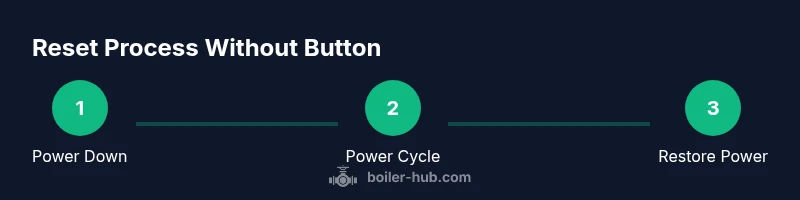
A structured approach works best when the reset button is missing. Start with a controlled power cycle: turn off the boiler, switch off the breaker, wait 60 seconds, then restore power. If the unit remains unresponsive, check the thermostat and ensure it’s set to heat and calling for a warmup. Confirm that the boiler’s service switch is in the On position; some units hide a secondary switch on the side or rear panel. After power restoration, observe the status lights and listen for the fan and ignition sequence. If fault codes appear, record them and consult the boiler manual for specific interpretations. If a fault persists, inspect water pressure (typical residential boilers operate around a standard range). If pressure is too low or too high, refer to the manual’s reset procedure or seek professional service. If you’re unable to reset after these steps, or you notice gas odors, unusual hissing, or smoke, stop and contact a licensed technician immediately. This methodical approach minimizes risk and provides a clear path for diagnosing common non-button reset issues.
Common mistakes and how to avoid them
Common mistakes include forcing a restart without checking gas safety, ignoring fault codes, skipping the power-off step, and neglecting to verify water pressure. Avoid bypassing interlocks or tampering with wiring inside the boiler cabinet. Always wear protective gloves when handling electrical components and never attempt to reset while the boiler is hot or leaking. One frequent error is treating a temporary glitch as a hardware fault; in many cases, a brief power cycle is enough. If you must press or flip switches, do so only on the equipment’s designated controls, and never use screwdrivers or metal tools on live terminals. To reduce risk, study the user manual for your exact model and keep a log of your attempts, including the fault codes, steps taken, and time of day. Boiler Hub recommends keeping a printed quick-reference guide near the boiler for emergencies and basic troubleshooting to avoid improvisation during critical moments.
When to call a professional and what to expect
If the boiler fails to reset after a safe power cycle, if you smell gas, or if you see signs of water leakage, you should call a licensed boiler technician immediately. A professional can safely test electrical circuits, gas valves, and the venting system, and diagnose fault codes that require specialized tools. When you call, provide the fault codes displayed, the actions you took, and the time of the event. A technician may perform a gas leak check, pressure test, and a combustion analysis, and they may calibrate sensors or replace faulty components. Expect a diagnostic visit to include an assessment of air in the system, the integrity of vent pipes, and confirmation that safety interlocks operate correctly. The goal is to restore safe operation, maximize efficiency, and prevent future resets from becoming hazardous. Boiler Hub’s guidance emphasizes transparency with service providers and prioritizing safety above all else. A professional visit often resolves issues that homeowners cannot safely address without specialized equipment.
Bottom line and next steps
If you can complete a safe reset on your own following the steps above, document the results and monitor boiler performance for the next several days. If the unit runs but emits unusual noises, trips its breakers, or fails to reach set temperatures, seek professional help promptly. For ongoing issues, consider scheduling annual maintenance to keep the boiler in peak condition and reduce the probability of future resets without a reset button. Boiler Hub’s verdict is to approach missing-button scenarios with caution, rigorous safety checks, and a clear plan for escalation when needed.
Tools & Materials
- Non-contact voltage tester(To verify lack of live voltage at exposed terminals)
- Multimeter(For measuring voltage and resistance in circuits)
- Screwdriver set (flathead and Phillips)(To open access panels and operate terminal screws)
- Flashlight or headlamp(Illumination inside the boiler cabinet)
- Replacement fuses or breakers(Only if the service panel shows a blown fuse or tripped breaker)
- Owner’s manual or model-specific guide(Helpful for fault codes and model-specific reset steps)
Steps
Estimated time: Estimated total time: 45-60 minutes
- 1
Power off and gas safety check
Turn off the boiler at the power switch or circuit breaker and shut off the gas supply if you can do so safely. Wait a moment to allow internal components to de-energize. This step protects you from electrical shock and reduces the risk of ignition while inspecting the system.
Tip: If you smell gas, evacuate and call your gas provider or emergency services immediately. - 2
Confirm controls and indicators
Inspect the boiler’s control panel, thermostat, and any status lights or fault codes. Note any flashing lights or codes that could indicate sensor faults, low pressure, or ignition problems. Do not proceed if any warning signs suggest a gas leak or severe fault.
Tip: Take a clear photo of the fault code display for reference when you consult the manual or a technician. - 3
Power-cycle the boiler
With power still off, wait 60 seconds, then restore power. This basic reset clears minor firmware glitches and can reestablish communication between components. After the power returns, listen for the fan and ignition sequence.
Tip: If you hear buzzing or arcing sounds, stop and call a professional. - 4
Check thermostat signals
Ensure the thermostat is calling for heat and set to a comfortable temperature. If the thermostat is wired to a smart hub, re-sync the device with the boiler following the manufacturer’s instructions. Incorrect thermostat signaling can prevent a restart even when power returns.
Tip: Disable any sleep or eco modes temporarily while testing the heat call to avoid false readings. - 5
Inspect electrical connections
Carefully inspect accessible wiring for loose terminals or signs of corrosion. Use a non-contact tester to confirm no live voltage is present before touching any conductors. If you identify a loose connection, tighten it only to the manufacturer’s specified torque.
Tip: Do not overtighten terminals; consult a manual for torque specs if needed. - 6
Assess pressure and safety interlocks
Some boilers require correct pressure ranges for safe ignition. Check the pressure gauge and compare to the manufacturer’s target range. If it’s outside, do not attempt risky fixes; adjust only as directed in the manual or with a professional.
Tip: If pressure is outside safe range, this step may indicate a leak or a need for service.
Questions & Answers
What should I do first if there’s no reset button on my boiler?
Start with safety checks: cut power, verify gas safety, and inspect controls for fault codes. If safe, perform a controlled power cycle and re-check indicators. If unresolved, consult the manual or a professional.
First, ensure safety, power down, check fault codes, then try a controlled restart. If it won’t reset, contact a professional.
Can I reset my boiler by turning it off and on quickly?
A brief power cycle can clear minor glitches, but do not rush the process or bypass safety interlocks. Follow a full 60-second off period before powering back on.
Yes, a careful power cycle can help, but wait 60 seconds and observe safety cues before turning it back on.
What fault codes are common when a boiler won’t reset?
Fault codes often indicate sensor faults, pressure issues, or ignition problems. Refer to your manual or manufacturer website to interpret code meanings.
Common codes point to sensor or pressure problems; check the manual for exact meanings.
Is it safe to reset a boiler without professional help?
Only if you can perform basic safety steps and understand your boiler’s controls. If you’re unsure or detect gas issues, stop and call a professional.
DIY is only safe for basic steps. If unsure or you smell gas, call for professional help.
When should I definitely call a professional?
Call a professional if you smell gas, if fault codes persist after testing, or if you notice leaks, unusual noises, or heat loss. They can assess interlocks, sensors, and gas safety.
Call a pro if you smell gas or codes persist after testing. They’ll check interlocks and safety.
What maintenance can prevent the need for resets?
Regular boiler maintenance, including annual servicing, vent cleaning, and filter checks, reduces the chance of faults. Proper pressure management and sensor calibration also help.
Routine maintenance lowers reset chances and keeps your boiler reliable.
Watch Video
Key Points
- Power cycle first to clear minor glitches
- Always verify gas safety before any reset attempt
- Record fault codes to guide repairs
- Call a professional if the issue persists or safety is in doubt