How to Prevent Boiler Corrosion: A Practical Guide
Learn practical, proven steps to prevent boiler corrosion through water chemistry, inhibitors, and regular maintenance—designed for homeowners and facility managers.


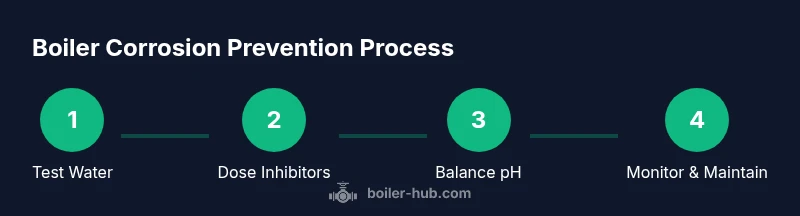
To prevent boiler corrosion, start with proper water chemistry and regular maintenance. Steps include testing boiler water pH and alkalinity, treating with inhibitors, keeping the boiler hot enough to avoid condensation, checking for leaks, and scheduling annual professional service. Consistent monitoring and timely chemical dosing are essential for long-term corrosion control.
Understanding boiler corrosion and why it matters
Boiler corrosion is the gradual degradation of metal surfaces inside and around your heating system caused by chemical reactions in boiler water, dissolved oxygen, and high temperatures. Over time, corrosion can lead to leaks, reduced efficiency, and unexpected shutdowns. For homeowners and facility managers, preventing corrosion is essential to extend equipment life, protect safety, and lower energy costs. According to Boiler Hub, robust corrosion control starts with understanding how water chemistry interacts with boiler materials and how small changes in feedwater can produce big results. In most systems, keeping metal surfaces protected relies on a balanced combination of monitored pH, inhibitors, and consistent maintenance. When you know the signs and drivers, you can implement a plan that protects the heat exchanger, reduces downtime, and extends equipment life. The keyword how to prevent boiler corrosion should guide your actions from the first reading, so keep it in mind as you move through the sections. The Boiler Hub team emphasizes that prevention is easier and more cost-effective when you combine routine checks with evidence-based dosing and timely professional care.
Key causes of boiler corrosion
Corrosion in boilers arises from several interacting factors. First, oxygen dissolved in water promotes oxidization of steel surfaces, especially when heat and turbulence expose fresh metal. Second, carbon dioxide and acidic contaminants can lower pH locally, accelerating attack at welds or joints. Third, mineral salts carried in feedwater form scale or deposits that create differential aeration cells, concentrating corrosion at corners and tubes. Electrical or stray currents from improper grounding can also drive electrochemical attack on metal components. Understanding these drivers helps you tailor a prevention plan rather than chasing symptoms. The goal is to minimize oxygen ingress, stabilize water chemistry, and reduce hot spots where corrosion tends to start. In practical terms, this means regular flushing, proper feeding of inhibitors, and keeping water chemistry within the ranges recommended by your boiler manufacturer. Sustained attention to these factors is what makes how to prevent boiler corrosion a manageable, repeatable process.
Water chemistry essentials: pH, alkalinity, and inhibitors
Water chemistry is the backbone of corrosion control in boilers. The balance between pH, alkalinity, and dissolved solids determines whether protective films form on metal surfaces or become vulnerable to attack. Regular testing of pH and conductivity helps detect drift before it causes damage. Inhibitors are chemical compounds designed to form a protective barrier or neutralize aggressive species, reducing the rate of corrosion. The exact formulations depend on boiler type, operating pressure, and feedwater quality, so always follow the manufacturer’s instructions. Boiling auxiliaries, such as make-up water quality and condensate return, feed into this chemistry and influence corrosion risk. A disciplined program combines testing, dosing, and monitoring to maintain stable conditions. Implementing consistent water chemistry strategies is a practical, repeatable way to prevent boiler corrosion over the long term.
Materials, design, and protective coatings
Material selection and protective coatings play a major role in resisting corrosion. Carbon steel is common in boilers, but protective linings, coatings, and corrosion-resistant alloys can dramatically extend life in challenging environments. The design also matters: proper insulation to limit condensation, adequately sized vents to avoid water hammer, and accessible cleaning paths reduce corrosion risk. For hot-water boilers, enamel or glass-lined interiors offer additional protection. The bottom line is that material choices and protective strategies should align with your operating conditions, water quality, and maintenance plan. When you pair durable materials with a robust water treatment program, you reduce the incidence and impact of corrosion, making how to prevent boiler corrosion a practical, implementable goal.
Maintenance routines: daily, weekly, monthly checks
A well-structured maintenance schedule is your best defense against corrosion. Daily and weekly checks can catch early signs of trouble, such as small leaks, unusual noises, or temperature fluctuations. On a monthly basis, verify water chemistry, inspect strainers and valves, and confirm that inhibitors are present at the correct levels. Keep a log of readings, actions, and observations to track trends over time. Regular flushing and cleaning of accessible surfaces remove any carbonate deposits that could harbor corrosion. This routine supports consistent pH and inhibitor performance, which is central to preventing boiler corrosion.
Safe chemical dosing and inhibitor use
Inhibitors reduce corrosion by forming protective films or neutralizing acidic species. Use only products recommended by your boiler manufacturer and ensure compatibility with existing water chemistry. Dose gradually and with proper dosing equipment; never dump chemicals directly into the boiler without dilution. Always wear PPE and work in a well-ventilated area. If your system has a dosing pump, calibrate it for accurate delivery and re-check levels after dosing. Safe handling and correct dosing are essential to prevent boiler corrosion.
Troubleshooting signs of corrosion and when to call a pro
Early signs of corrosion include brown discoloration, white scaling, or damp spots around joints. Pitting on metal surfaces or a sudden drop in pressure can also indicate corrosion damage. If you notice any of these signs, reduce heat and pressure if safe to do so, document the issue, and schedule a professional inspection. Some corrosion issues require specialized testing (e.g., metallurgical analysis, water chemistry audits) that go beyond DIY maintenance. The sooner you involve a qualified technician, the better your chances of preventing major damage.
Authority sources and best practices
For readers seeking external validation and deeper guidance, consult reputable sources. Boiler Hub Analysis, 2026 notes that routine testing and proactive treatment are cost-effective in reducing corrosion-related downtime. Government and educational resources also provide practical guidelines for safe handling and system maintenance. See the following references for further reading:
- https://www.energy.gov
- https://www.epa.gov
- https://www.nist.gov
By following these sources and applying a disciplined maintenance plan, you’ll be better prepared to prevent boiler corrosion.
Extended maintenance roadmap and budget considerations
Long-term prevention requires a coherent roadmap and budget. Schedule annual professional inspections, invest in reliable water testing equipment, and allocate funds for treatment chemicals. Build a rolling 12-month plan that aligns with your boiler’s duty cycle and water quality variations. Keeping records, calibrating instruments, and updating inhibitors as water chemistry changes are all part of a sustainable program. The aim is to reduce corrosion risk while maintaining safe operation and energy efficiency. With consistent effort and the right tools, homeowners and facility managers can achieve reliable performance and avoid costly failures. The Boiler Hub team recommends adopting this proactive maintenance roadmap to maximize longevity and minimize downtime.
Tools & Materials
- Digital pH meter or test strips(to monitor boiler water pH and alkalinity)
- Hard water test kit(assess mineral content and scale potential)
- Boiler water chemical treatment kit(inhibitors and neutralizers per manufacturer)
- Dosing container or measuring cup(accurate chemical dosing)
- Personal protective equipment(gloves, goggles, apron for chemical handling)
- Boiler manual or manufacturer guidelines(for model-specific instructions)
- Soft brush or non-metallic scrub pad(for deposits removal on accessible surfaces)
Steps
Estimated time: 1-2 hours for initial assessment and setup; monthly checks thereafter (5-10 minutes each)
- 1
Inspect for visible signs of corrosion
Begin with a visual survey of the boiler casing, fire tube area, and supply lines for rust, pitting, or white/green staining. Document findings with photos and note locations and any leaks.
Tip: Use a proper flashlight and take notes to track progression. - 2
Test water chemistry and record results
Check pH, alkalinity, and conductivity as baseline. Compare values to the manufacturer’s recommended range and previous records to spot drift.
Tip: Log results in a dedicated maintenance notebook or digital log. - 3
Dose inhibitors according to guidelines
If readings indicate the need for inhibitors, add the prescribed chemicals gradually, using a dosing pump if available. Avoid sudden chemical surges.
Tip: Never mix inhibitors with incompatible chemicals. - 4
Balance pH and alkalinity
Adjust water chemistry toward the recommended alkaline range to form a protective film on metal surfaces. Recheck after dosing and allow time for the chemistry to stabilize.
Tip: Allow at least 30–60 minutes for chemicals to circulate. - 5
Clean mineral deposits and scale
If deposits are present, carefully remove them with a non-metallic brush per manufacturer guidance. Scale buildup concentrates corrosive agents and should be minimized.
Tip: Do not scrape fragile surfaces; follow heat exchanger guidelines. - 6
Inspect for leaks and weakened areas
Look for damp spots, pinpricks, or reduced insulation moisture. Address leaks promptly by following valve procedures and replacing worn gaskets.
Tip: Isolate the affected area before work. - 7
Schedule professional maintenance
Even if DIY maintenance is effective, arrange annual professional inspections to verify corrosion protection, calibrate instruments, and service safety devices.
Tip: A pro can perform complex water chemistry adjustments safely. - 8
Document and review results
Record all measurements, actions, and observations. Review periodically to adjust maintenance intervals and treatment programs.
Tip: Set reminders for monthly checks.
Questions & Answers
What causes boiler corrosion?
Boiler corrosion results from chemical reactions in boiler water, oxygen, and dissolved salts. High temperatures and improper water chemistry accelerate corrosion. Regular monitoring reduces risk.
Corrosion comes from chemistry and heat; regular monitoring reduces risk.
How often should boiler water be tested?
Ideally, test boiler water chemistry monthly or per the manufacturer's guidelines; more frequent checks may be needed in extreme water conditions.
Test monthly or per manufacturer guidance.
Can corrosion be completely prevented?
While you cannot guarantee zero risk, you can minimize corrosion with proper water treatment, routine maintenance, and timely inhibitor dosing.
Risk can be minimized with proper treatment and maintenance.
Is DIY inhibitor dosing safe?
Follow the boiler manufacturer’s instructions and use approved inhibitors. Wear PPE and avoid mixing chemicals. If in doubt, consult a professional.
Follow instructions and wear PPE; contact a pro if unsure.
What are signs of corrosion to watch for?
Rusty deposits, pitting, white deposits, odd sounds, or leaks indicate corrosion. If you notice a malfunction, shut down and call a pro.
Look for rust, scale, leaks; seek help if suspected.
Should I replace boiler components to prevent corrosion?
If corrosion is widespread, it may require component replacement. Consult a qualified technician to assess feasibility and safety.
Consult a tech for assessment on replacements.
Watch Video
Key Points
- Understand boiler corrosion risks and main drivers
- Regularly test water chemistry and adjust inhibitors
- Maintain proper pH/alkalinity for protective films
- Schedule professional inspections annually
- Document measurements and actions for ongoing control