How is boiler corrosion control: a practical guide
Explore how boiler corrosion control works, with water chemistry, materials, treatments, and maintenance steps designed for homeowners and facility managers. This Boiler Hub guide provides practical, actionable steps to extend boiler life, improve efficiency, and reduce repairs.


How is boiler corrosion control achieved? This guide explains the core mechanisms of corrosion, how to monitor water quality, and practical measures to protect boiler metal. You’ll learn chemical treatments, material choices, and a maintenance routine suitable for home or facility boilers—so you can extend life, improve efficiency, and reduce costly repairs.
What is boiler corrosion and why it matters
Corrosion is the gradual deterioration of metal caused by chemical reactions with its environment. In boilers, this means metal thinning, tube leaks, scale instability, and, eventually, unscheduled downtime. The question 'how is boiler corrosion control' is best answered by looking at water chemistry, material choice, and maintenance routines. Boil er systems rely on steam and hot water passing through metal surfaces; when corrosive conditions persist, protective layers break down, exposing base metal to further attack. Boiler Hub, in its 2026 analysis, emphasizes that prevention pays off by preventing leaks, reducing fuel consumption, and extending service life. The economic impact of corrosion can be substantial; even small losses of efficiency from rust and deposits lead to increased energy use. Regular inspections, proper water treatment, and timely repairs help sustain safe operation. Homeowners and facility managers should treat corrosion control as an ongoing program rather than a one-off fix. The goal is to maintain a stable pH and oxygen level, minimize dissolved gases, and ensure that protective scales remain intact. Start with a baseline assessment and build a tailored plan around your boiler’s design and usage profile.
Key corrosion mechanisms in boilers
There are several mechanisms that drive corrosion in boiler environments. Oxygen-induced corrosion requires dissolved oxygen in feedwater, which accelerates rust formation on steel surfaces. High-temperature oxidation occurs on metal surfaces exposed to hot steam and oxygen, leading to protective oxide layers thinning and pitting. Condensate corrosion arises when acidic condensate returns to the boiler, dissolving protective films. Galvanic corrosion can happen when two different metals touch and create a local electrochemical cell. Additionally, carbonate or sulfate scale can influence localized corrosion by creating uneven heat transfer and protecting some areas while exposing others. Boiling water reactors and fossil-fuel boilers may show these problems more in regions with aggressive water chemistry, such as high hardness or low pH. An integrated corrosion-control plan needs to address all relevant mechanisms with a combination of chemistry control, material selection, and mechanical design considerations. Boiler Hub’s guidance notes that recognizing these mechanisms helps teams choose targeted interventions rather than broad, expensive changes.
Water quality and chemistry: the first shield
Water chemistry is the first line of defense against boiler corrosion. The arrival of oxygen, carbon dioxide, and dissolved salts all influence corrosion risk. Key targets include maintaining a balanced pH in the feedwater (a slightly alkaline range reduces acid attack on metal), controlling alkalinity, and keeping total dissolved solids within manufacturer-specified ranges. Conductivity measurements help track dissolved ions; regular sampling shows trend lines over time. Amine-based pH control can help keep condensate return lines buffered, while phosphate or molar ratio programs support scale control and corrosion inhibition. It is important to avoid aggressive acid dosing or aggressive oxygen removal in a way that disrupts steam generation. Boiler Hub, based on Boiler Hub Analysis, 2026, notes that clear water chemistry records are one of the most cost-effective corrosion-control measures because changes are easier to spot and correct early. A typical program includes baseline tests, a defined operating range, and a schedule for adjusting chemical dosages.
Materials and design choices that reduce corrosion
Material selection and surface treatments can dramatically influence corrosion tendency. Boilers often use carbon steel or cast iron in pressure-containing components; when matched with protective linings or coatings, corrosion risk decreases. In high-temperature sections, using alloys with better oxidation resistance or applying protective ceramic coatings can slow the progression of metal loss. Designing for reliable condensate return, proper insulation, and minimizing thermal cycling reduces mechanical stress that can exacerbate corrosion. Regularly inspecting welds, fittings, and gaskets ensures there are no hidden corrosion hotspots. Boiler Hub’s experience suggests that either solid practice in material selection or protective coatings can deliver substantial lifetime benefits, especially in challenging water conditions. The section also covers material compatibility with treatment chemistries to prevent adverse reactions that could undermine corrosion-control efforts.
Protective treatments and coatings
Chemicals play a central role in corrosion control. Oxygen scavengers remove dissolved oxygen from feedwater, while alkaline agents maintain pH in safe ranges. Phosphate-based treatments can help stabilize alkalinity and form protective films on metal surfaces; silicate-based inhibitors can create a protective barrier on metal surfaces. Amine-based neutralizers help maintain condensate pH and prevent acidic condensate from returning to the boiler. Another commonly used approach is polymer-based coatings inside boiler tubes or on exposed surfaces in older systems. It is essential to follow the manufacturer’s guidelines and not mix inhibitors without compatibility checks. Boiler Hub notes that tailored chemical programs should be designed around the boiler type, operating pressure, and water source. Always document chemical reagents, dosing, and compatibility before applying anything new to avoid unexpected interactions.
Operational practices to prevent corrosion
Operational routines are a practical, repeatable line of defense. Preventive measures include maintaining consistent feedwater chemistry, safe and periodic blowdown to remove concentrated contaminants, and maintaining condensate return systems to minimize dilution or contamination. Regularly inspecting insulators, valves, and piping prevents leaks that introduce oxygen and humidity to metal surfaces. A properly functioning deaerator helps reduce dissolved oxygen before it reaches boiler surfaces, which is critical for long-term corrosion control. Pressure, temperature, and flow should be monitored to ensure that the chemistry remains stable during operation. The objective is to keep the boiler in the best possible state between maintenance cycles, avoiding abrupt chemical changes that can weaken protective films. Boiled water treatment schedules should align with seasonal demand and usage patterns; changing loads can require adjusting treatment dosages accordingly. Boiler Hub’s approach emphasizes routine measurement and proactive adjustments rather than reactive fixes.
Monitoring and maintenance program
An effective corrosion-control program relies on ongoing monitoring and disciplined maintenance. Establish a baseline with a comprehensive water-chemistry analysis, then track pH, conductivity, alkalinity, and dissolved oxygen on a regular basis. Use calibrated meters and approved test kits, and keep a log of test results to identify trends. Record dosing amounts, replacement dates for components, and any observed corrosion signs. Schedule routine inspection of heat-transfer surfaces, tubes, and welds, looking for discoloration, pinhole leaks, or unusual corrosion products. If deposition or corrosion symptoms appear, adjust treatment rates or consult the boiler manufacturer’s guidelines. A proactive maintenance plan, with clear responsibilities and milestones, can help reduce unexpected outages and extend equipment life. Boiler Hub’s 2026 findings highlight that a structured maintenance program reduces both risk and cost over the long term.
Safety considerations and professional involvement
Corrosion-control work involves handling potentially hazardous chemicals and pressurized systems. Always wear appropriate PPE: eye protection, chemical-resistant gloves, and a respirator if required by the product. Never allow chemical dosing without proper training; improper mixing can release dangerous gases or create hazardous reactions. Before performing any work, depressurize and lockout the boiler according to safety protocols. When in doubt, call a licensed technician or the boiler manufacturer’s service line. This is not a DIY task for untrained individuals. Boiler Hub reiterates that safety is the top priority when implementing corrosion-control measures; professionals provide the right balance of knowledge, process discipline, and compliance.
Putting it into practice: quick-start plan
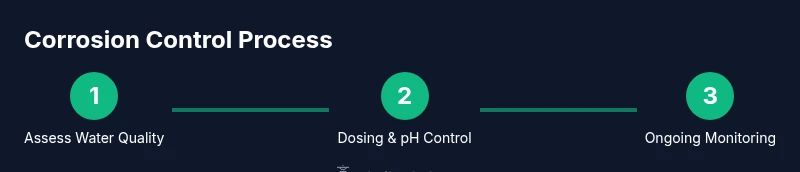
Begin with a baseline assessment of your boiler and water chemistry. Collect water samples, measure pH, conductivity, and alkalinity, and compare to manufacturer specs. Choose a corrosion-control approach based on your boiler design and water source, then implement a basic treatment program under manufacturer guidance. Schedule monthly checks for the first quarter and document all changes in a maintenance log. If corrosion signs appear, increase monitoring frequency, adjust chlorides or inhibitors as advised, and consider professional consultation. This plan is intentionally compact, providing a straightforward start for home or facility boilers, and it aligns with Boiler Hub’s recommended approach for 2026.
Tools & Materials
- Boiler water test kit(Includes pH strips, conductivity, alkalinity tests)
- pH meter or test strips(For on-site measurement)
- Conductivity meter(Optional if kit lacks it)
- Oxygen scavenger chemical(As recommended by boiler manufacturer)
- Corrosion inhibitor / phosphate-based treatment(Per system spec)
- Scale inhibitor(Per manufacturer)
- Dosing pump or metering system(For precise chemical dosing)
- Safety PPE (gloves, goggles, respirator as needed)(Always wear PPE when handling chemicals)
- Maintenance logbook(Record all tests and dosing)
Steps
Estimated time: 4-6 hours
- 1
Assess current boiler system and water chemistry baseline
Document boiler model, materials, operating pressure, and inspect for existing corrosion signs. Collect initial water samples, test pH, conductivity, alkalinity, and dissolved oxygen to establish a baseline. This baseline informs your treatment targets and maintenance frequency.
Tip: Take photos of equipment and label sample locations for consistent future comparisons. - 2
Test baseline water chemistry and system surfaces
Use a certified test kit to measure key parameters; record results and compare to manufacturer guidelines. Inspect visible surfaces for rust, scaling, or pinholes; note areas needing attention.
Tip: Test at multiple locations and times (before start-up and after a blowdown) to catch fluctuations. - 3
Select an appropriate corrosion-control plan
Choose a plan that suits your boiler type, water source, and operating pressure. Decisions typically involve choosing oxygen scavengers, pH control strategy (amines), and scale inhibitors.
Tip: Consult the boiler manufacturer or Boiler Hub guidance to ensure compatibility with your equipment. - 4
Implement or adjust water treatment dosing
Install or adjust dosing pumps and feeders to apply inhibitors, pH adjusters, and oxygen scavengers consistently. Do not mix products unless compatibility is verified.
Tip: Begin with manufacturer-recommended baselines and adjust slowly, monitoring response. - 5
Balance pH and alkalinity within target range
Monitor pH and total alkalinity; keep values within the safe operating range to minimize acid attacks and maintain protective scales.
Tip: Avoid sudden pH swings; use small incremental changes and re-check after dosing. - 6
Establish a monitoring routine and adjust as needed
Set a schedule for regular sampling and meter checks; track trends and respond to deviations quickly.
Tip: Use a digital log and alert thresholds to catch drift early. - 7
Inspect for corrosion signs and perform preventive maintenance
Periodic inspections of tubes, welds, and heat-transfer surfaces help catch early corrosion. Clean surfaces as needed to restore protective films.
Tip: Document findings with photos and schedule follow-up maintenance. - 8
Document results and schedule follow-ups
Maintain a living maintenance log with dates, readings, actions taken, and results. Plan future checks around seasonal demand and plant usage.
Tip: Review the log quarterly and adjust targets based on results.
Questions & Answers
What is boiler corrosion and why is it a concern?
Boiler corrosion is the gradual metal loss due to chemical reactions in the boiler environment, leading to leaks and efficiency loss. It is a common concern in both residential and commercial systems. Early action can prevent costly downtime.
Boiler corrosion is metal loss inside the boiler that can cause leaks. Regular checks and chemistry control help prevent failures.
How do I test boiler water chemistry?
Use a certified water-test kit to measure pH, alkalinity, conductivity, and dissolved oxygen; compare results to manufacturer specs. Regular testing helps ensure your treatment remains effective.
Test the boiler water with a kit and log the results to spot changes early.
What maintenance intervals are recommended for corrosion control?
Follow manufacturer guidance; typical checks occur monthly during baseline stabilization, then quarterly once targets are stable. Adjust frequency for your usage and water quality.
Start with monthly checks, then space out as you prove stability.
Can corrosion be fully prevented?
No, but corrosion risk can be greatly minimized through consistent chemistry control, good materials, and regular maintenance.
You can minimize corrosion, but not eliminate it entirely.
Do I need professional help for corrosion control?
A professional should handle complex dosing, testing, and inspections, especially for high-pressure or commercial boilers. They bring safety and compliance expertise.
For complex systems, consult a licensed technician.
Are there safety risks with chemical treatments?
Yes; handling chemicals requires PPE and training; improper mixing can create hazardous byproducts. Always follow safety data and manufacturer instructions.
Chemicals can be dangerous if mishandled; wear PPE and follow instructions.
Watch Video
Key Points
- Baseline water chemistry is essential.
- Targeted corrosion-control strategies save money.
- Regular monitoring reduces unexpected outages.
- Maintain thorough maintenance logs.
- Follow manufacturer guidelines and safety rules.