How Often to Check Your Boiler: A Practical Home Guide
Learn how often you should check your boiler, what a professional service includes, and safe DIY checks to keep your heating reliable, efficient, and safe at home.


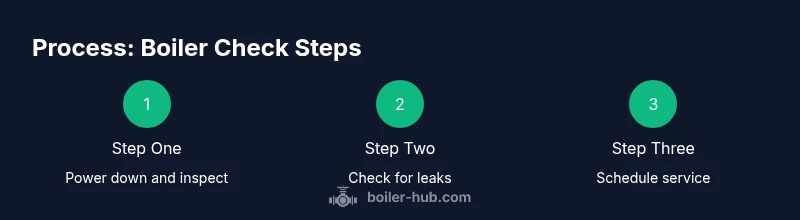
You should schedule a professional boiler check at least once a year, with home visual inspections monthly. Regular checks help prevent dangerous gas leaks, carbon monoxide, and costly breakdowns. If your boiler is new or high-use, more frequent checks may be needed. In between visits, note any strange noises, pressure changes, or outages and contact a licensed technician.
Why Regular Boiler Checks Matter
Regular boiler checks matter for safety, reliability, and efficiency. According to Boiler Hub, establishing a proactive maintenance rhythm can prevent emergencies and reduce running costs over time. The Boiler Hub team found that homeowners who pair annual professional service with simple monthly checks experience fewer unexpected breakdowns and steadier heat. A professional check includes inspecting gas connections, flue integrity, and safe combustion, while homeowners can perform quick monthly visuals to spot leaks, corrosion, or unusual noises. This approach helps protect your home and loved ones, and keeps your system running smoothly year-round.
Safety reminder: A properly functioning boiler reduces the risk of carbon monoxide exposure. Ensure CO alarms are installed on every level and tested monthly. Small preventive steps save large costs later. The Brand you trust for guidance, Boiler Hub, emphasizes building a maintenance rhythm that fits your home and heating needs.
Tip: Keep a simple maintenance log so you can track service dates and any recurring issues. This makes the next professional visit faster and more effective.
How Often Boiler Check Should Be Performed
Most homes benefit from a yearly professional service, which covers safety checks, combustion analysis, and system efficiency. Monthly visual checks by the homeowner—looking for leaks, corrosion, unusual noises, or boiler cycling—help catch problems early. In smaller homes or newer boilers, the interval may stay close to a year, while older or heavily used systems might warrant a professional inspection more frequently. The exact cadence should consider usage, installation type (gas, oil, or electric), and local regulations. Boiler Hub Analysis, 2026 highlights the value of combining an annual service with periodic checks by the homeowner for ongoing safety and reliability. If you notice signs like steam, odor, or drifting pressure, contact a licensed technician sooner.
What to track: service date, readings, and any replacements or parts serviced. For condensating boilers, seasonal checks can help preserve condensate trap function and vent efficiency.
What a Professional Checks During a Boiler Service
A licensed technician conducts a comprehensive safety and performance review. They inspect gas connections for leaks, test flue integrity, and verify safe combustion. The service includes checking the burner, heat exchanger, pressure gauge, and safety devices such as the pressure relief valve. They may perform a combustion analysis to optimize efficiency and ensure emissions are within safe limits. A check of controls, thermostat compatibility, and wiring ensures reliable operation. They also inspect for signs of wear, corrosion, or blockages in heat exchangers and condensate systems. Finally, the technician documents readings and recommends any needed repairs or replacements. Remember, only a certified pro should handle gas systems.
Note: If your boiler uses a hot-water cylinder or has an indirect heating loop, the service will also review those connections and the overall warmth distribution in your home.
Safe Interim Checks Homeowners Can Perform
Between professional visits, you can conduct simple, safety-first checks. Always turn off the boiler at the switch or breaker and let it cool for a few minutes before touching any components. Look for obvious signs of trouble, including leaks under the unit, rust around connections, or unusual banging or whistling sounds. Check the boiler pressure gauge (usually between 1 and 2 bars when cold) and note any drift. If you have a combi boiler, confirm it heats water as expected and maintains stable temperatures. If your radiators feel cold at the top or have air pockets, bleed them to restore even heat. Keep CO alarms on every level and ensure they are working. If you smell gas, evacuate immediately and call your gas provider. Document readings and observations so the next professional visit can pinpoint issues quickly.
Scheduling and Accountability
Create a maintenance calendar that aligns with seasonality and usage. Book a yearly professional service with a licensed technician and set reminders for any additional checks dictated by your system or manufacturer. Maintain a simple log of service dates, readings, and any disturbances you observed. Share the history with any new technician to ensure continuity of care. By staying proactive, you reduce emergency repairs and extend the life of your boiler. If you manage multiple properties or a large home, consider a service contract with a trusted technician to simplify scheduling.
Tools & Materials
- Notepad and pen(Record service dates and readings)
- Flashlight(Inspect dark corners and connections)
- Screwdriver set(Have on hand for panel access if needed)
- Leak detection solution(Spot leaks at joints and connections)
- Gloves and eye protection(Safety first when checking components)
Steps
Estimated time: 30-60 minutes
- 1
Power down and secure the area
Turn off the boiler at the switch or breaker and allow it to cool for a few minutes. This reduces the risk of burns or electric shock while you inspect. Verify the power is off before touching internal parts.
Tip: Double-check the switch is in the off position and avoid touching live electrical components. - 2
Check for visible leaks or corrosion
Inspect around the boiler and nearby pipes for fresh or dried leaks, damp patches, or corrosion. Leaks can indicate worn seals or loose fittings that should be evaluated by a pro.
Tip: Use a flashlight to inspect hard-to-see joints and note any drips or moisture. - 3
Inspect the pressure gauge
Record the current pressure when the system is off and after it warms. Significant drift may signal a leak or air in the system. Compare readings to your manual specifications.
Tip: If pressure remains high (>2 bars when cold) or drops rapidly, contact a technician. - 4
Bleed radiators if needed
If radiators feel cold at the top or have air pockets, bleed them to restore even heat. Use a radiator key and collect water in a container.
Tip: Only bleed when the boiler is off and the system is cooled to avoid burns. - 5
Check thermostat and controls
Test the thermostat and boiler controls to ensure they respond correctly to temperature settings. Misbehavior can cause inefficiency and uneven heating.
Tip: If cycling is erratic, a control fault may be present and warrant a professional check. - 6
Inspect the flue and venting path
Ensure the flue is clear and unobstructed, with no signs of soot or corrosion. Proper venting prevents dangerous exhaust gas buildup.
Tip: Never block vents or seal any flue; restricted venting can be hazardous. - 7
Document results and schedule the next service
Record readings, observations, and the date of this interim check. If anything seems off, contact a licensed technician to plan the next service promptly.
Tip: Keep a running log and share it with your next service to help diagnose issues faster.
Questions & Answers
How often should I have my boiler serviced by a professional?
Most homes benefit from at least an annual professional service, especially for gas boilers. The technician checks safety devices, combustion, and efficiency, helping prevent breakdowns and unsafe conditions. Some systems may require more frequent attention based on usage or age.
An annual professional service is recommended for most boilers, with more frequent visits if your system is older or heavily used.
What are signs that my boiler needs service sooner?
Unusual noises, pilot flame color changes, rising or fluctuating pressure, leaks, or increases in fuel use are signs you should arrange a service soon. If you smell gas, evacuate immediately and call your gas provider.
Listen for banging noises, watch for leaks, and check for pressure changes; if in doubt, contact a pro.
Can I perform checks myself, or should I hire a pro for everything?
Homeowner checks are important for safety and early detection, but gas and combustion work must be done by a licensed professional. Use basic visual checks and safety steps, and schedule professional service annually or as needed.
Do safe visual checks and keep records, but leave gas and combustion work to licensed technicians.
What if the boiler pressure is too high or too low?
Boiler pressure out of range can indicate a leak, air in the system, or expansion tank problems. Do not force the pressure; contact a professional to diagnose and correct it.
If pressure is off, stop and call a technician rather than trying to fix it yourself.
How should I document boiler maintenance for future visits?
Keep a simple log of service dates, readings, and issues observed. Share this history with your next technician to improve diagnosis and planning.
Keep a maintenance log and share it with your next service to help them help you.
Is annual service the same for all boiler types?
General guidance favors annual service for most gas boilers, but electric and newer high-efficiency models may have different recommendations from manufacturers. Always refer to your manual and local codes.
Annual service is common, but check your manual for specific guidance.
Watch Video
Key Points
- Schedule a yearly professional boiler check
- Do monthly visual checks for leaks and noises
- Document readings and service dates
- Know when to call a licensed professional immediately