How Long Does a Boiler Last? A Comprehensive Lifespan Guide (2026)
Discover how long boilers typically last, the factors that affect lifespan, and practical steps to maximize life and performance. A data-backed guide by Boiler Hub for homeowners and facility managers.


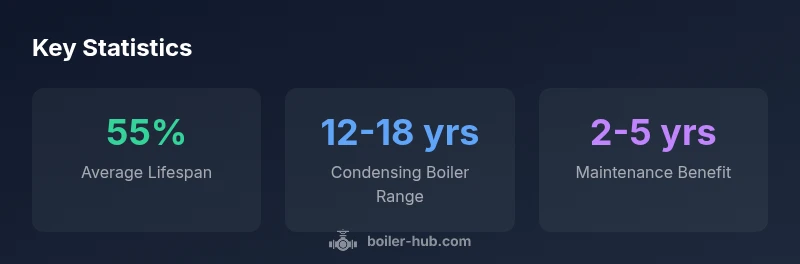
On average, a residential boiler lasts about 10-15 years with regular maintenance; high-efficiency models may reach 15-20 years. Lifespan depends on usage, water quality, installation, and service frequency. Boiler Hub analysis shows that proactive upkeep can add years, while neglect shortens the lifespan. Note that regional water chemistry and heating demand also influence the outcome.
What affects boiler lifespan
In answering how long does a boiler last, several factors come into play. The core contributors are water quality, corrosion control, frequency of use, and the quality of installation. Hard water with high mineral content can cause scale buildup, reducing efficiency and wearing components faster. Oxygen intrusion and improper venting can accelerate corrosion and gas-side wear. Regular service reduces hidden faults and helps catch wear before it becomes critical. Usage patterns—such as long, high-demand winters—can shorten the effective life if the boiler is consistently pushed beyond its design temperature and pressure ratings. Finally, the initial quality of the unit and its materials relative to the home’s heating load fundamentally set the ceiling for longevity. According to Boiler Hub, a well-balanced system with clean water, proper pressure, and timely parts replacement tends to perform closer to the upper end of the typical range. Homeowners should view lifespan as a function of proactive maintenance as much as the base hardware quality.
Lifespan by boiler type
Boilers come in several configurations, and each type tends to have its own lifespan profile under typical residential conditions. Combis are compact and convenient but may wear faster in high-demand households. System boilers—paired with a hot-water cylinder—often enjoy longer life due to simpler heat exchange dynamics and easier maintenance. Regular boilers can provide robust durability when correctly matched to the home and kept clean of sludge. High-efficiency condensing boilers maximize energy savings and, with proper care, can push toward the higher end of the lifespan spectrum. Across all types, the decisive variables remain service intervals, water quality, and the installation’s adherence to manufacturer specifications.
How to interpret boiler age and warranty
Age alone isn’t a perfect predictor of remaining life. A boiler that’s 12 years old but has a pristine maintenance history and clean heat exchangers may outperform a newer unit with deferred service. Warranty length varies widely by model and region, but many common protect-the-assembly warranties cover major components for several years. Pay attention to what the warranty excludes and whether it transfers on resale. If a boiler is approaching end-of-life signals, start planning a replacement strategy rather than chasing frequent costly repairs. A proactive replacement plan can prevent unexpected outages and ensure continued reliability.
Maintenance tips to maximize life
The most actionable way to extend boiler life is a disciplined maintenance routine. Schedule an annual professional service, including safety checks, burner adjustments, and system cleaning. Regular radiator bleed and pressure checks help sustain consistent heating performance. Keep the expansion tank, pressure relief valve, and venting clear from obstruction. Use only recommended fuels and treat the system to prevent corrosion and condensate damage. Simple measures like tightening wiring, updating thermostat controls, and ensuring proper air intake can also reduce strain on components. A well-tuned boiler not only lasts longer but runs more efficiently, saving energy and reducing wear on critical parts.
Predicting lifespan: what numbers tell you
Lifespan projections rely on service history, maintenance quality, and observed efficiency. A boiler that loses 1-2 percentage points of efficiency annually is likely aging and may soon require attention. If you notice rising fuel bills without rising usage, or frequent cycling and short runs, these are indicators of wear or maladjustment. Tracking the number of serviced years and component replacements provides a practical ledger for remaining life. While exact years vary, you can expect aging signs to appear gradually, and a disciplined maintenance plan can push the upper-bound lifespan closer to the higher end of its range.
Regional and installation quality influences
Where you live and how the boiler is installed matter as much as the unit itself. Regional water hardness, mineral content, and ambient temperature shape wear rates. Installer expertise influences venting, piping layout, and condensate drainage, all of which affect durability. A well-vented, properly sealed system with correct pressure reduces stress on the heat exchanger. Conversely, poor combustion efficiency or improper venting can accelerate deterioration. When evaluating a used or aging system, consider both the mechanical condition and the installation quality as major determinants of remaining life.
Cost vs replacement: when to repair or replace
Deciding between repairing or replacing a boiler hinges on both age and projected reliability. If a repair restores near-original performance and the component is expected to last several more years, repair can be cost-effective. As boilers approach the 10- to 15-year mark, ongoing repairs become more frequent and costly relative to replacement, especially if efficiency or safety is compromised. In such cases, a modern high-efficiency unit may deliver energy savings that offset the upfront cost over time. A thoughtful assessment, ideally with a service report, helps determine the best path for uninterrupted comfort and budget.
Quick-start maintenance checklist for homeowners
- Schedule a yearly professional service
- Check pressure and bleed radiators as needed
- Inspect expansion tank and pressure relief valve
- Clean or replace filters and ensure clean combustion
- Verify venting is clear and unobstructed
- Monitor for unusual noises, leaks, or strange odors
- Keep system controls up to date and calibrated
- Document service history for future planning
Lifespan by boiler type
| Boiler Type | Typical Lifespan | Notes |
|---|---|---|
| Combi boiler | 12-15 years | Compact, common in small homes |
| System boiler | 12-20 years | Requires hot water cylinder |
| Regular boiler | 10-15 years | Needs periodic maintenance |
| High-efficiency condensing boiler | 15-20 years | Most efficient models when well maintained |
Questions & Answers
What factors most influence boiler lifespan?
Water quality, maintenance frequency, installation integrity, and usage patterns are the primary drivers of boiler lifespan. Regular servicing helps identify wear before it becomes a failure.
Water quality and regular service are the big ones. Keep up with maintenance to avoid early wear.
Can a boiler last longer than its warranty?
Yes. A boiler can outlive its warranty, especially if it has a strong maintenance history and clean components. Warranties vary by model and region, so always check the exact terms.
Yes, warranties are not guarantees of lifespan. Maintenance matters more.
How often should I service my boiler?
Most boilers benefit from an annual professional service. In hard water regions or high-use homes, more frequent checks may be prudent to preserve reliability.
Annual service is the standard; more often if you have hard water or heavy use.
Is it worth replacing an old boiler sooner?
If repairs are frequent or efficiency has declined notably, replacement can save energy costs and prevent outages. Consider total cost of ownership over several years.
If repairs pile up or efficiency drops, replacement can be smarter in the long run.
What maintenance tasks most extend life?
Regularly service the burner, check pressure, bleed radiators, and inspect venting and expansion tank. A simple, scheduled routine reduces wear on critical components.
Keep up with service, pressure checks, and venting.
What are signs a boiler is near end of life?
Frequent inoperability, rising fuel bills without usage increase, unusual noises, leaks, and reduced heat output are common indicators. If you notice these, plan a professional assessment promptly.
Look for repeated breakdowns, noises, leaks, and poor heating.
“Lifespan is not fixed; proactive maintenance and timely replacement decisions are essential to minimize downtime and energy waste.”
Key Points
- Expect most residential boilers to last 10-15 years.
- Maintenance extends life; regular service can add years.
- Lifespan varies by boiler type and usage pattern.
- High-efficiency models last longer with proper care.
- Plan replacement before failures to avoid downtime.