Emergency Boiler Repair: Quick Safety Guide for Homeowners
A practical, safety-first guide to emergency boiler repair for homeowners. Learn immediate actions, when to call a pro, and how to reduce damage while awaiting professional help from Boiler Hub.


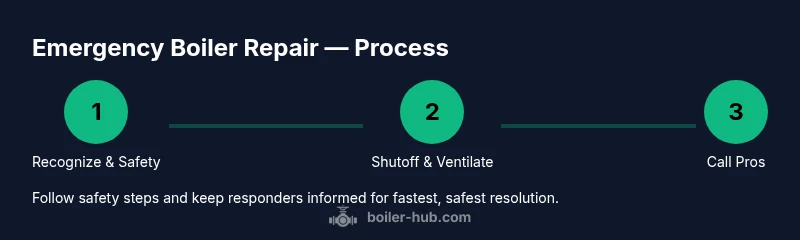
Goal: respond safely to an emergency boiler failure, protect occupants, and secure the system until a licensed technician arrives. Start by recognizing warning signs, shutting off energy and gas if safe, ventilating, and contacting your utility or emergency services. This guide covers immediate actions, checking safety, and how to work with professionals.
Recognizing an Emergency: When to act now
According to Boiler Hub, emergencies require immediate safety actions and professional assessment. Signs of a true emergency include a strong gas odor, the sound of escaping gas, a CO detector alarm, or the boiler failing to ignite accompanied by unusual banging or sputtering. If you notice any of these indicators, evacuate occupants, avoid ignition sources, and call your gas utility or emergency services immediately. Do not attempt to diagnose or repair a gas appliance yourself. Safety comes first, and speed can prevent toxic exposure or a fire risk. After you are somewhere safe, you can begin documenting what happened for technicians and insurers. Remember: if in doubt, step back and seek professional help rather than troubleshooting on your own. This is particularly important for homes with gas boilers or oil-fired systems where small mistakes can escalate.
Immediate Safety Steps to Take (Before Help Arrives)
If you can do so safely, switch off electrical power to the boiler to reduce the risk of sparks or shorts during a failure. Then, if the shut-off valve is easily reachable and you can do so without entering a hazardous area, close the gas supply to the boiler. Open exterior doors or windows to ventilate and disperse any accumulated gas or fumes, and avoid using any electrical devices that could spark. Do not strike the boiler, light matches, or operate switches in the immediate area. If you or others feel dizzy, nauseous, or notice a persistent gas smell, evacuate completely and call emergency services. Finally, keep a clear path for responders and prepare basic information about the boiler for the technician, such as the model, age, and last service date.
What a Licensed Technician Will Check During Emergency Service
A licensed technician will perform a structured assessment to determine the root cause of the emergency. They will verify gas supply integrity, inspect venting and combustion air supply, test combustion efficiency, and read safety devices like flame sensors and pressure switches. They will use calibrated tools to check CO formation, verify electrical connections, inspect for corrosion or leaks, and assess whether any safety relief devices have opened. As Boiler Hub Analysis, 2026 notes, clear symptom description and proper documentation speed up diagnosis and reduce the chance of reoccurrence. The technician will also review vent termination, warmth and noise indicators, and the overall condition of the boiler and its controls. After identifying the fault, they will explain recommended repairs and discuss safety precautions for future operation.
How to Minimize Damage and Stay Safe While Waiting
While waiting for help, keep the area free of clutter and ensure children and pets are away from the boiler room. Do not attempt temporary fixes that bypass safety devices or pressure relief valves. Maintain ventilation without creating new ignition sources. If a CO alarm sounds or you notice dizziness, headaches, or confusion, exit the building and call emergency services. Monitor the CO detector and any gas smell closely, and avoid re-entering until responders verify it is safe. Document any leaks, unusual noises, or changes in boiler behavior to relay to the technician. Remember that most boiler emergencies involve gas or combustion risks, so patience and safety come first.
Preparing for the Service Call: What to Tell the Technician
When you call for service, provide the exact location of the boiler, the symptoms you observed, and the last maintenance date. Share model and serial numbers if available, and note any recent changes to fuel supply or ventilation. If you have photos of leaks or corrosion, have them ready to show the technician. Also provide access instructions, such as gate codes or parking details, and any relevant safety concerns (for example, if a CO detector has indicated a hazard). The more precise your description, the faster the technician can diagnose and repair the issue while maintaining safety for everyone in the building.
Long-Term Safety and Prevention After an Emergency
After the incident, prioritize a comprehensive safety plan to prevent future emergencies. Schedule a full boiler service with a licensed technician, install or update working CO detectors in sleeping and living areas, and ensure proper ventilation around the boiler. Keep a simple maintenance log, noting run times, alarm events, and any minor issues observed before the emergency. Consider installing automatic shut-off devices or a modern boiler with enhanced safety features. Finally, review gas safety guidelines and ensure all household members know the correct actions to take if another issue arises.
Tools & Materials
- Flashlight(Bright, with extra batteries)
- Non-contact voltage tester(To verify power is off at controls; keep hands away from live parts)
- Adjustable wrench(For disconnecting fittings if needed)
- Screwdriver set(Flathead and Phillips; include stubby for tight spaces)
- Work gloves(Grip and protect hands; non-slip)
- Safety glasses(Eye protection during inspection and leaks)
- CO detector (working)(Ensure functional placement near boiler)
- Gas leak detector (optional)(Extra safety check if available)
- Boiler service manual or manufacturer contact info(Have model details handy)
Steps
Estimated time: 1-3 hours
- 1
Assess safety and halt work
Quickly survey the area for immediate hazards. If you detect a gas odor or hear a hissing sound, evacuate immediately and call emergency services. Do not operate switches or appliances in the area until professionals arrive.
Tip: If you cannot move safely, evacuate and wait for responders. - 2
Shut off electrical power
If you can reach the main power switch without crossing a hazard, turn off the boiler and related electrical supply. This reduces the risk of sparks or shorts during a failure while you wait for a technician.
Tip: Use the main breaker rather than unplugging devices near the boiler. - 3
Isolate the gas supply if safe
If you know the location of the gas shut-off valve and can reach it without entering a hazardous area, close it. This step is crucial only if you can do it safely; otherwise leave it to professionals.
Tip: Never force a valve that is stiff or hot. - 4
Ventilate the space
Open exterior-facing windows and doors if there is no risk of igniting gas. Adequate ventilation helps dissipate any accumulated fumes and reduces CO buildup.
Tip: Avoid using fans or electrical devices that could spark. - 5
Call for professional help
Contact your licensed boiler technician, gas utility, or emergency services if there is immediate danger. Provide model information, symptoms, and exact location to speed response.
Tip: Have your service history and boiler model ready. - 6
Document details for the tech
Write down observed symptoms, recent maintenance, and alarms. This helps the technician diagnose the issue faster and plan safe repairs.
Tip: Take photos of any leaks or corrosion if safe. - 7
Avoid DIY repairs
Do not attempt complex fixes on gas boilers. Emergency repairs require licensed gas-safe technicians to prevent carbon monoxide exposure or explosions.
Tip: Rely on professionals for gas-related failures. - 8
Prepare for service arrival
Clear access to the boiler and ensure pets and children are away. Have space for the technician to work and review safety protocols.
Tip: Provide access to electrical panel and gas shut-off if needed. - 9
Review post-repair steps
Once repaired, test the boiler under supervision and ensure CO detectors are functioning. Schedule a full maintenance check to prevent future emergencies.
Tip: Set a reminder for annual boiler service.
Questions & Answers
What counts as an emergency boiler repair?
Gas leaks, strong odor, CO alarm, or sudden loss of heat requires urgent professional assessment. Treat any sign as potentially dangerous and call the proper services immediately.
If you smell gas or CO is detected, evacuate and call emergency services right away.
What should I do first if my boiler stops working?
Ensure safety, turn off power and gas if safe, ventilate the area, and contact a licensed technician without delay.
Safety first—turn off power and gas if you can do so safely, then call a licensed professional.
Can I fix an emergency boiler by myself?
No. Do not attempt repairs beyond basic safety checks. Gas boilers require a licensed technician to prevent carbon monoxide exposure or explosions.
Don't try DIY fixes on gas boilers; call a professional.
How long does emergency boiler repair take?
Timing varies based on fault, access, and parts. A service visit can range from a short diagnostic to several hours.
The time depends on the issue, but expect several hours for a thorough diagnosis and repair.
Will insurance cover emergency boiler repairs?
Coverage depends on your policy. Contact your insurer, provide incident details, and keep repair invoices.
Talk to your insurer with your incident details and invoices to confirm coverage.
How can I reduce the risk of boiler emergencies?
Schedule regular maintenance, install CO detectors, ensure proper venting, and address any warning signs promptly.
Regular maintenance and early warning signs help prevent emergencies.
Watch Video
Key Points
- Prioritize safety first and contact professionals
- Know where gas shut-off and electrical panels are
- Provide detailed information to technicians for faster service
- Schedule regular boiler maintenance to reduce emergencies