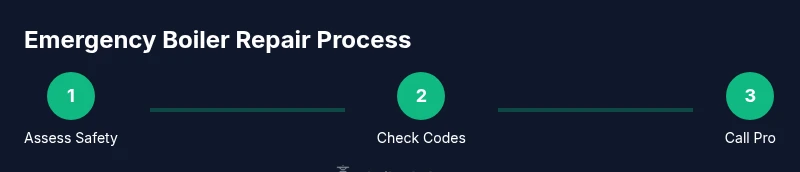
24 Hour Boiler Repair: A Practical How-To for Emergencies
This comprehensive how-to guides homeowners and facility managers through a 24 hour boiler repair, focusing on safety, rapid triage, and when to call a licensed professional for emergencies after hours.


This quick guide helps homeowners and facility managers prepare for a 24 hour boiler repair, prioritize safety, and know the immediate steps to take before a technician arrives. According to Boiler Hub, rapid response reduces risk, minimizes downtime, and supports effective troubleshooting. The Boiler Hub team recommends following a clear safety checklist, documenting the symptoms, and contacting a licensed pro for emergencies anytime after hours.
Why a 24 Hour Boiler Repair Demands Urgency
According to Boiler Hub, a failure in the heating system during cold weather can quickly turn into a safety and comfort crisis. A 24 hour boiler repair capability exists precisely for this reason, offering rapid response times to restore heat, hot water, and safe operation. The goal is to minimize downtime, limit pressure changes, and prevent secondary damage such as frozen pipes or carbon monoxide buildup. Homeowners and facility managers should understand that while not every problem requires emergency service, certain signs demand immediate attention: no heat when it’s needed, gas or fuel odors, strange noises from the boiler, or a sudden drop in system pressure. In these cases, contacting a licensed technician as soon as possible is essential. Boiler Hub recommends documenting the symptoms, noting temperature set points, and preparing your boiler’s model and serial information. By treating a 24 hour boiler repair as an urgent service, you give technicians the data they need to diagnose quickly and accurately.
Immediate Safety First Steps
When you suspect a boiler fault after hours, safety comes first. If you smell gas, evacuate the area and call the emergency number. If there is no gas odor but you notice heat loss, strange noises, or visible leaks, turn off the boiler at the local switch and shut off the gas supply if you can do so safely. Do not touch electrical components with wet hands, and keep children and pets away from the boiler room. If you have a carbon monoxide detector, ensure it is functioning and consider moving to fresh air while you wait for help. Documenting the situation helps the technician diagnose faster: note the time of the fault, the boiler model, any error codes on the display, and the operating pressure. Boiling Hub emphasizes using a non-contact thermometer to check for abnormal surface temperatures only if safe to do so.
Common Causes of Emergency Boiler Failures
Emergency boiler failures can stem from several root causes. Overheating and blocked flue gas venting are common in older systems. A failing circulation pump or a malfunctioning thermostat can prevent proper heat distribution. A drop in system pressure or an airlock in the hydronic loop can trigger fault messages or heating outages. Gas supply interruptions or ignition faults also lead to emergency repairs. The Boiler Hub team notes that many issues originate from poor maintenance, clogs, or aging components. Regular annual service reduces the likelihood of sudden breakdowns and helps technicians identify wear before it becomes an urgent repair.
Quick Triage You Can Do Before the Technician Arrives
To speed up a 24 hour boiler repair, perform a safe, high-signal triage. Check the boiler display for fault codes and document them. Look at the pressure gauge and note whether it is within the manufacturer’s recommended range. Inspect for obvious leaks around joints and valves, and listen for banging pipes or venting odors. If you cannot safely examine behind panels, leave access open for the technician. Write down the boiler’s make, model, and installation date. These details, along with a concise symptom description, help a technician arrive prepared and reduce diagnostic time.
When to Call a 24/7 Boiler Technician
If you encounter a gas odor, water leak, excessive heat, or the boiler fails to ignite during a cold night, contact a licensed 24/7 boiler technician immediately. After hours calls typically incur a higher service rate, but this ensures heat and hot water are restored promptly. If there is any risk of carbon monoxide exposure, evacuate and call the appropriate emergency line. Even when you think the problem is minor, a trained technician can verify safe combustion, pressure, and venting to prevent dangerous conditions from developing.
What a Technician Will Check During a 24 Hour Repair
During an after-hours visit, a technician will inspect the gas supply and burner assembly, verify ignition and flame stability, test electrical connections, and check the venting system for blockages. They will assess the pressure on the fill line, circulation pump operation, and the expansion tank for proper function. They will review thermostat settings and control boards for faults. The goal is to restore safe operation, ensure efficient heat, and prevent future breakdowns. Expect the technician to run diagnostic tests, verify CO levels, and issue safety recommendations for post-repair maintenance.
Tools and Safety Gear for Emergency Repairs
Emergency repairs require appropriate gear and tools. Essential items include protective gloves and eye protection, a non-contact gas detector or combustible gas sniffer, a flashlight, a digital multimeter, wrench set, screwdrivers, rags, and a copy of the boiler manual. A portable CO detector and a vent inspection mirror are also helpful. Always wear PPE when opening combustion or gas components and avoid contact with hot surfaces. Keep a phone handy to contact the technician and document findings for faster service.
How to Document the Issue for Faster Service
Prepare a concise problem statement before the technician arrives. Include the boiler model and serial number, installation date, observed symptoms, any error codes or flashing lights, room temperature behavior, and whether the issue occurred after a specific event (storm, power outage, etc.). Note last maintenance dates and any recent changes to the heating system. Collect photos of the installation area, leaks, and venting if safe to capture. Documentation helps the technician diagnose quicker, order correct parts, and reduce on-site time.
Preventive Tips After Restoration
Once the emergency is resolved, establish a preventive maintenance routine. Schedule an annual professional inspection, bleed radiators to remove air, and verify system pressure monthly. Replace worn seals or gaskets and clean the burner and vent areas to maintain efficient combustion. Keep an updated log of servicing and any observed issues. A proactive approach reduces the risk of another 24 hour boiler repair and prolongs system life. Boiler Hub recommends setting reminders for yearly servicing to stay ahead of wear.
Costs and Scheduling for 24 Hour Service
Emergency boiler repair costs vary by region, fuel type, and the complexity of the fault. After-hours calls typically involve a higher service fee and a higher hourly rate. Expect potential extra charges for parts, travel, and expedited service. To avoid surprises, request a written estimate before any work, and confirm whether the technician will bill for diagnostic time even if additional repairs aren’t performed. Planning ahead with a maintenance plan can lower the long term cost of emergency repairs.
Troubleshooting Fault Codes and Indicators
Emergency faults often display error codes or flashing LEDs on modern boilers. These codes point to ignition faults, flame loss, sensor failures, or circulation problems. Refer to the boiler manual for code meanings, but do not attempt risky diagnostics beyond basic visual checks. If a code suggests a gas or high pressure issue, stop and contact emergency services. A professional will interpret codes, verify fuel supply, and reset controls safely.
Final Checklist Before the Technician Arrives
Before the technician arrives, ensure access to the boiler room is clear, any pets are secured, and the area around the boiler is well-ventilated. Have your contact information ready and confirm your preferred times for service. If you already documented fault codes and symptoms, share them with the technician. After the repair, request a written summary of findings and recommended maintenance tasks.
Tools & Materials
- Safety gear(Gloves, eye protection, and respirator if needed)
- Flashlight(Bright LED with extra batteries)
- Digital multimeter(For testing electrical circuits and controls)
- Wrench set(Combination wrenches and adjustable wrench)
- Screwdrivers(Flathead and Phillips head, insulated if possible)
- Boiler manual or model information(Have serial number handy)
- Non-contact gas detector(Use if you suspect a gas leak but do not rely on it as a primary detector)
- CO detector(Place near living spaces and vent outlets during testing)
- Rags and containers(For catching small leaks and wiping surfaces)
- Smartphone or notebook(Document fault codes, times, and observations)
Steps
Estimated time: 45-60 minutes
- 1
Assess safety first
Evaluate the environment for immediate hazards. If there is a gas odor, evacuate and call emergency services. If it is safe, proceed to the next steps calmly.
Tip: Always prioritize personal safety over the boiler when a gas odor is detected. - 2
Shut off power and gas if safe
Switch off the boiler at the boiler switch, and close the gas valve if accessible and safe. This prevents further ignition or gas release while you wait for help.
Tip: Only touch valves that you can reach without forcing movement or climbing. - 3
Check for obvious leaks
Look for visible leaks around fittings and joints. Do not attempt to tighten fittings that look corroded or damaged. Photograph leaks if possible for the technician.
Tip: If a leak is severe, evacuate and call emergency services rather than attempting repairs. - 4
Note any error codes
Record any fault codes or blinking lights from the display. These codes guide the technician and speed up diagnosis.
Tip: Take clear photos of the display and codes for reference. - 5
Check pressure and temperature
If it is safe, read the boiler pressure on the gauge and compare it to the recommended range from the manual. Record the value and time of reading.
Tip: Do not adjust pressure violently; follow manufacturer guidelines. - 6
Prepare model information
Locate the make, model, and serial number. This helps the technician source correct parts and avoid delays.
Tip: Keep the information handy for the technician arrival call. - 7
Create a clean access path
Clear the boiler area so the technician can work safely. Remove clutter and ensure safe ventilation around the unit.
Tip: Avoid blocking the access area with boxes or tools. - 8
Remain available for questions
Be ready to answer questions about when the issue started and any recent changes to the system.
Tip: Providing a timeline helps pinpoint the root cause quickly. - 9
Verify post service operation
After service, test heating and hot water operation under safe conditions and verify CO readings remain within safe levels.
Tip: Request a written post-service report and maintenance recommendations.
Questions & Answers
What qualifies as a 24 hour boiler repair emergency?
An emergency qualifies when heat or hot water loss affects safety, when there is a gas odor, or when there is a significant leak. In these cases, call a licensed technician immediately after hours.
EMERGENCY BOILER REPAIR is needed when you have heat loss, gas smell, or a major leak; call a licensed technician immediately.
Can I reset the boiler after a fault?
Resets can sometimes restore function, but many faults require professional inspection. If there is any risk of gas or unsafe operation, do not reset and contact a technician.
Only reset if the fault code clearly indicates a nonhazardous issue; otherwise call a pro.
Is it safe to stay in the house if the boiler is leaking?
If you notice a leak, turn off the boiler and gas supply if safe, ventilate, and call emergency services if the leak is significant or gas is detected.
If you see a leak, leave the area and call for help right away.
How do I choose between repair and replacement during a 24 hour service?
A technician will assess the boiler’s age, extent of damage, and expected remaining life. If the unit is old or severely damaged, replacement may be more cost-effective long-term.
The technician will weigh age, damage, and likely future costs before advising replacement.
What should I do to prevent future emergencies?
Schedule annual professional maintenance, bleed radiators, check pressures, and replace aging parts before failures occur.
Maintain yearly service, check pressure, and keep an eye on any warning lights.
What if I smell gas after hours?
If you smell gas, evacuate immediately and call the gas emergency line. Do not use electrical switches or phones near the area.
Leave the area and call the gas emergency number now.
Watch Video
Key Points
- Act quickly when a boiler fails after hours
- Prioritize safety and call licensed pros for emergencies
- Document symptoms to speed diagnosis
- Plan for preventive maintenance to reduce future outages