Can You Top Up Boiler Pressure When On? Safe Steps
Learn whether you can/top up boiler pressure while the boiler is on, and follow a safe, step-by-step method to avoid damage, leaks, or scalding. Includes pro tips, warnings, and expert guidance from Boiler Hub.


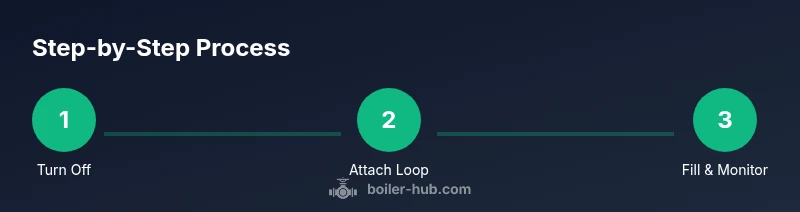
Yes, you can top up boiler pressure, but only if you follow safety steps and the manufacturer's guidance. In most cases, do not top up while the boiler is running or hot. Turn the boiler off, allow it to cool, and then use the filling loop carefully. The Boiler Hub team emphasizes depressurizing and controlled filling to minimize scalding risk.
Why topping up boiler pressure while the boiler is on is risky
Boiler pressure management relies on a stable, closed circuit. When the boiler is operating, water temperatures are high and system components are under pressure. Adding more water at this moment can cause sudden pressure surges, push relief valves, or trap hot water against components that aren’t ready to handle it. The risk isn’t just to the boiler; it’s about personal safety as well. Scalding hazards can occur if you touch hot pipes or radiators during any adjustment. The widely accepted guidance from Boiler Hub and many manufacturers is to avoid pressure filling while the unit is hot or running. Instead, plan the top-up for a cold or off period, follow the correct sequence, and monitor the gauge carefully. This approach minimizes the chance of leaks and costly repairs. Boiler Hub Analysis, 2026 supports this safety-first stance and offers practical steps to reduce risk.
When topping up is appropriate (and when it's not)
There are legitimate times you may need to top up boiler pressure, such as after a radiator bleed or a small loss of pressure due to a tiny leak in a non-pressurized area. Even then, the safest approach is to perform the procedure with the boiler off and cooled. If the pressure continues to drop after topping up, it indicates an underlying issue that should be investigated by a pro. If you notice visible dampness, corrosion, or frequent pressure loss, stop and call a qualified technician. Boiler Hub’s educational guidance stresses separating maintenance actions from emergency repairs and always prioritizing human safety over quick fixes. This cautious approach protects both occupants and equipment over the long term.
How the boiler pressure system works (key concepts)
In most residential boilers, pressure is maintained by a filling loop connected to the cold water supply. When the system cools, metal components contract and pressure drops; as hot water expands, pressure rises. The pressure gauge provides a readout, while relief valves protect against overpressure. Understanding these basics helps you decide when and how to adjust pressure safely. Remember that higher pressure is not always better; overfilling can force water into the expansion vessel or radiators, leading to leaks or inefficient heating. Always refer to your boiler model’s manual for the correct procedure and consult Boiler Hub’s resources for model-specific guidance.
Safety first: steps to minimize risk
Before you even touch the filling loop, wear protective gloves and eye protection. Make sure the area around the boiler is dry, well lit, and free of clutter. Do not attempt to top up if you detect leaks, corrosion, or if the gauge reads an out-of-range value during normal operation. Keep a towel handy to catch any drips. Follow the manufacturer’s sequence exactly, and never force a valve beyond its stop. If you’re unsure, stop and consult a professional. According to Boiler Hub, safe practice is to depressurize first and fill gradually, checking for proper operation at each stage.
Common scenarios and practical advice
In a typical home, pressure adjustment is a straightforward task when done correctly and with the boiler off. If you’ve bled radiators, you might notice a small drop in pressure—top it up slowly, watching the gauge. If you hear gurgling noises, see damp patches, or smell burning, stop immediately and call a pro. Keep your tools organized and return fittings clean after use. A well-maintained boiler is more resistant to pressure fluctuations and will operate more reliably through the heating season.
How to prepare for maintenance or a call to a pro
If you suspect a fault, take photos of pressure readings and any leaks to share with the technician. Have your boiler’s model, age, and serial number ready. Before a service visit, switch off the boiler and ensure it is completely cold; never leave it warm while a technician works. For homeowners who prefer to do basic checks themselves, refer to the manual and Boiler Hub’s troubleshooting guide to avoid accidental damage. The goal is to maintain a safe, efficient system and prevent pressure-related problems from escalating.
Tools & Materials
- Filling loop (with connectors)(Ensure compatibility with your boiler model)
- Boiler owner's manual(Use model-specific instructions)
- Personal protective equipment (gloves and safety goggles)(To prevent contact with hot surfaces or splashes)
- Dry cloth or towel(For catching drips)
- Low-arc adjustable wrench or screwdriver(Needed to operate isolation valves if present)
- Water source shutoff valve (if separate)(Only if your system has a dedicated valve)
Steps
Estimated time: 40-60 minutes
- 1
Turn off and cool the boiler
Switch the boiler off at the power switch and thermostat. Wait at least several minutes for it to cool to a safe temperature before touching any controls. This reduces the risk of scalding and minimizes pressure changes caused by hot water.
Tip: Always test surfaces with the back of your hand before handling any pipes; if surfaces are too hot, wait longer. - 2
Locate the filling loop and isolation valves
Find the filling loop and the isolation valves on your boiler. Check for any signs of leakage or damage before proceeding. If the loop is absent or the fittings look worn, do not attempt to fill.
Tip: Ensure the connectors are clean and free of debris to avoid contaminants entering the system. - 3
Attach the filling loop securely
Connect the filling loop to the two valve connections as described in your manual. Ensure the loop is firmly seated and there are no kinks or leaks in the hose.
Tip: Use a dry cloth to wipe connections before sealing to prevent moisture from entering the fittings. - 4
Open the isolation valves slowly
Gently open both isolation valves to begin the filling process. Do not force valves; if resistance is felt, stop and recheck the fittings.
Tip: Open the valves gradually over several seconds to avoid a surge that could harm components. - 5
Monitor the pressure gauge as it rises
Slowly fill while watching the boiler’s pressure gauge. Do not fill beyond the safe range. If you hear hissing or see drips, stop and inspect for leaks.
Tip: If your gauge doesn’t move, stop and verify the loop connections and valve positions. - 6
Close the filling loop and remove it
Once the gauge is within the safe range, close both isolation valves and remove the filling loop. Wipe the fittings and store the tools.
Tip: Keep the area dry; moisture around fittings can mask slow leaks. - 7
Restart the boiler and check for leaks
Turn the boiler back on and observe for a few minutes. Look for any signs of leaking around the fittings, valves, or radiator connections. Bleed radiators if needed.
Tip: If leaks appear after restart, shut down and contact a technician.
Questions & Answers
Can you top up boiler pressure while the boiler is on?
Generally, you should not top up while the boiler is on. Switch off, let it cool, then fill slowly and safely. If in doubt, consult the manual or a professional.
Not usually. Turn the boiler off and let it cool before topping up, then fill slowly while monitoring the gauge.
What happens if I overfill the boiler?
Overfilling can increase pressure, push water into unintended parts of the system, and cause leaks or damage. If you suspect overfill, switch off and seek professional assessment.
Overfilling can cause damage and leaks. Turn off and call a pro if unsure.
How do I know when to stop topping up?
Stop when the gauge indicates the boiler is within the manufacturer’s recommended range for your model. If you’re unsure, stop and consult the manual or a technician.
Stop when readings are within the safe range per your manual. If unsure, seek help.
Is topping up the boiler when cold safer?
Yes, topping up after the boiler has cooled reduces scalding risk and pressure surges. Always follow the model’s specific instructions.
Yes, it’s safer to top up when the boiler is cold and off.
Do I need a professional to top up boiler pressure?
If you notice persistent pressure loss, leaks, or you’re unsure about the process, contact a licensed technician. It’s a safety-critical task.
If you’re unsure or see leaks, call a licensed technician.
What tools do I need for topping up?
Essential tools include a compatible filling loop, protective gloves, and a towel. Depending on the model, you may also need a small wrench or screwdriver.
Filling loop, gloves, and a towel are essential; other tools depend on your boiler.
Watch Video
Key Points
- Turn off and cool the boiler before topping up.
- Open the filling loop slowly and monitor the gauge.
- Stop if you see leaks, noises, or if readings are out of range.
- Consult a professional for persistent pressure problems.