Can You Increase Boiler Pressure While It's On? A Safe Guide
Learn why you should not raise boiler pressure while the boiler is running, plus safe, practical steps to troubleshoot pressure issues. This guide from Boiler Hub covers when to intervene, how to repressurize safely (off the boiler), and when to call a professional.


No. Do not try to increase boiler pressure while the boiler is running. If pressure is outside the safe range, shut the boiler off and let it cool before attempting any adjustments per the manufacturer’s instructions. If you must address pressure, rely on the filling loop and expansion system only after the boiler is cold, and contact a professional if you’re unsure.
Understanding boiler pressure and how boilers regulate it
Boiler pressure is a measure of how hard water is pushed through your heating system. Most residential boilers are designed to hold a safe pressure range that shifts as the system heats. When water is heated, the resulting expansion can increase pressure, which is controlled by the expansion vessel, safety valves, and automatic controls. This balancing act keeps components sealed and prevents dangerous over-pressurization. According to Boiler Hub, safe pressure management starts with understanding limits and avoiding ad-hoc adjustments while the boiler is operating. If you’re unsure, stop and consult the manual or a licensed technician. Safety is the top priority because hot water and steam can cause burns, and improper handling can stress heat exchangers and seals.
Is it safe to increase pressure while the boiler is on?
The short answer is no. Increasing pressure while the boiler is running is hazardous and can trigger the safety relief valve, expel hot water, or cause an unexpected shutdown. Many modern boilers require pressure changes to be performed only when the system is cold. The risk isn’t just a momentary burn; it can also damage valves, gaskets, or the expansion vessel if the nuclear-like surge occurs while hot. If the gauge reads outside the normal range while cold, follow the manufacturer’s repressurization steps with the boiler off. If you’re dealing with an odd reading and you’re unsure about the correct procedure, pause and seek professional help. Boiler Hub analyses show that many callouts related to pressure problems stem from attempting to adjust pressure during operation.
Common causes of high pressure and symptoms
High boiler pressure isn’t always caused by a faulty gauge; it can reflect real system issues. Common culprits include a failing expansion vessel that can’t absorb water expansion, overfilling the system, and blocked or restricted flow that traps expanding water. Symptoms may include a rising pressure gauge during heating, frequent pressure relief valve activation, or dampness around joints from leaks. Recognize that attempting to increase pressure while hot is dangerous, and the correct response is to switch off the boiler and follow safe repressurization steps only when the system is cold. If you notice frequent spikes, it’s a sign to call a professional before performing any DIY fixes.
Safe steps to address pressure issues (off-boiler)
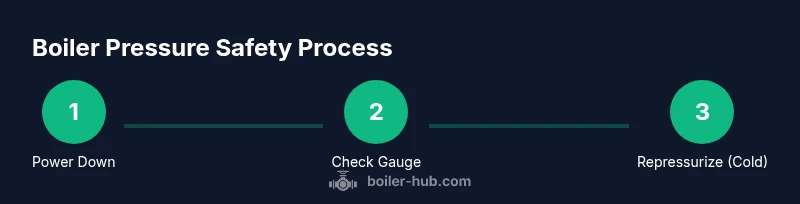
To address pressure concerns safely, you must operate only when the boiler is cold and powered down. Start by consulting the user manual for your exact model. If pressure is too low, you’ll typically repressurize using the filling loop while the boiler is off. If pressure is too high, you should not attempt to bleed or release pressure on a live system. Instead, diagnose potential causes (expansion vessel, blocked loop, or overfill) and arrange service. Throughout this process, have towels ready for any incidental drips, wear gloves for protection, and be mindful of hot surfaces around the boiler area. Routine checks and maintenance are best performed with a calm, methodical approach, not a rapid Manual override.
How expansion tanks, relief valves, and filling loops work
An expansion tank absorbs the extra volume of water as it heats, helping regulate pressure. A faulty expansion tank can cause pressure to rise unexpectedly, making safe operation difficult. The relief valve is a safety feature that opens to release excess pressure, preventing a dangerous buildup. The filling loop is used to reintroduce water into the system under controlled conditions, usually with the boiler powered down and the system cool. Understanding these components helps you recognize when a problem is systemic (like a failed expansion vessel) versus a one-off fluctuation. Boiler Hub emphasizes relying on model-specific procedures and not improvising repairs that could void warranties or compromise safety.
When to call a professional and what to expect
If pressure remains unstable or you suspect a faulty expansion tank, air locks, or a compromised valve, contact a licensed heating technician. A pro will diagnose the root cause, test the expansion vessel, verify the filling loop and pressure relief valve operation, and ensure your system is repressurized within the manufacturer’s recommended range. Expect a safety check, valve inspections, and a system leak test. Document readings and any observed symptoms to aid the technician. The Boiler Hub team recommends erring on the side of caution and avoiding DIY fixes that involve pressurized hot water or manipulating safety devices.
Tools & Materials
- Boiler owner's manual(Model-specific guidance and safety procedures.)
- Filling loop/kit(Used to add water to the system when cold and off.)
- Radiator bleed key(Optional for some setups; handy for releasing trapped air.)
- Adjustable wrenches(For tightening/loosening valves if needed.)
- Towel or absorbent cloth(Catches drips; protects floors.)
- Insulated gloves & safety goggles(Personal protection when handling valves and cold surfaces.)
- Bucket(Contain any incidental spills.)
Steps
Estimated time: 45-60 minutes
- 1
Power off and cool the boiler
Switch the boiler to off and allow it to cool completely (roughly 30 minutes or more depending on ambient temperature). This reduces burn risk and ensures safe handling of components. Never open or fiddle with hot pipes or valves while the system is active.
Tip: If you’re unsure about cooling time, wait longer rather than rushing to adjust. - 2
Inspect gauge and look for obvious issues
Check the pressure gauge and look for leaks or damp spots around connections. If the gauge shows an abnormal reading when cold, plan the repressurization steps per the manual. Do not attempt to balance or tweak pressure while the boiler is hot.
Tip: Document the current gauge reading for future reference. - 3
Locate the filling loop and verify valves are closed
Find the filling loop behind or near the boiler. Ensure both isolation valves are closed before starting. Opening them too soon or too far can cause a water hammer effect when pressure changes.
Tip: Ensure you have a clear path to monitor the gauge as you proceed. - 4
Reconnect and slowly open the filling loop when off
With the boiler off and cold, slightly open the filling loop valves to allow water into the system. Watch the pressure gauge closely and stop as soon as the gauge reaches the system’s safe cold range. Do not exceed the recommended pressure—overfilling can cause damage.
Tip: Open gradually to avoid sudden pressure spikes. - 5
Bleed radiators if needed to rebalance
If radiators feel cool at the top or have air pockets, bleed them to remove trapped air. This can affect system pressure readings. Recheck the gauge after bleeding and top up if the pressure dips.
Tip: Keep a cloth handy to catch any water and prevent spills. - 6
Test the system and observe safety devices
Power the boiler back on and observe the pressure as the system cycles. If pressure rises again quickly, switch off and arrange professional service. Keep notes of readings and symptoms for the technician.
Tip: Do not attempt to bypass safety devices or reset them yourself.
Questions & Answers
Can you increase boiler pressure while it's on?
No. Increasing pressure while the boiler is running is unsafe and can trigger the safety valve or cause burns. If pressure is outside the safe range, switch off the boiler, let it cool, and follow the manufacturer’s repressurization steps for a cold system.
Do not adjust pressure while the boiler is on. If you notice pressure problems, turn the boiler off, wait for it to cool, and consult the manual or a professional.
What is the safe way to repressurize a boiler?
The safe method is to repressurize only with the boiler off and cold, using the filling loop per the manual. Open the loop slowly, monitor the gauge, and stop at the recommended cold-range pressure. If the range is not reached or you’re unsure, contact a technician.
Repressurize only when the boiler is cold and off, following your model’s manual.
What are common signs of high boiler pressure?
Rising pressure during heating, frequent triggering of the safety relief valve, hissing noises, or damp spots from leaks. Do not push for adjustments; instead, switch off and seek professional diagnosis.
Watch for rising gauge readings and relief valve activation as warning signs.
What should I do if the pressure relief valve trips?
If the relief valve trips, turn off the boiler and do not reset it yourself. Ventilate the area if you smell hot water and call a professional to inspect the system and the valve.
If the valve trips, turn off the boiler and call a pro to check why the valve opened.
Is regular maintenance needed to prevent pressure problems?
Yes. Regular inspections of expansion tanks, pressure relief valves, and the filling loop help prevent pressure spikes. Schedule annual service and address any signs of wear promptly.
Regular maintenance helps prevent unexpected pressure issues.
Watch Video
Key Points
- Never increase boiler pressure while the boiler is on.
- Repressurize only when the system is cold and following the manual.
- Identify expansion tank or valve issues early to avoid repeated pressure problems.
- Call a professional if readings remain outside the safe range.
- Document readings to help with future maintenance and service calls.