Can You Increase Boiler Pressure When Heating Is On?
Learn whether you can safely increase boiler pressure while heating is on. Boiler Hub explains risks, proper conditions, and a step-by-step method for safe pressure management.


Can you increase boiler pressure when heating is on? In most residential boilers, the answer is no—adjustments should not be performed during active heating. Mid-cycle pressure changes can trigger safety protections and stress components. If readings drift, switch off the boiler, let it cool, and consult the manufacturer’s instructions or a qualified technician. This guide from Boiler Hub emphasizes safe, manufacturer-guided steps.
Understanding boiler pressure basics
Pressure in a boiler measures how hard water is pushed through the circuit to deliver heat. On most boilers, the gauge shows readings in psi or bar, corresponding to the amount of water in the system and how hot the water is circulating. When the system is cold, the reading is lower; as the water heats and expands, pressure rises toward the upper end of the safe range. The expansion vessel is designed to absorb that expansion and maintain pressure within design limits. If the gauge nears the red zone or the safety relief valve vents, the system is over-pressurized, which can cause leaks or damage. Regular maintenance and adherence to the model’s tolerances help prevent risky swings. According to Boiler Hub, staying within manufacturer-specified ranges is essential for safety and performance. Understanding these basics helps you interpret readings and decide when adjustments are appropriate.
Can you safely adjust pressure while heating is on?
The short answer is typically no. Most modern boilers restrict mid-cycle pressure changes to prevent damage to valves, pumps, and seals. Attempting to adjust pressure during active heating can trigger automatic safety shutdowns and may void warranties. Some niche systems might permit limited mid-cycle tweaking, but only with explicit instructions and the correct tools. If you’re unsure, treat the system as delicate and prioritize safety. If a reading is outside the safe range while heating, wait for cooling before taking action. Boiler Hub’s guidance emphasizes following manufacturer guidance and using professional support when in doubt.
What to do if pressure fluctuates during heating (practical approach)
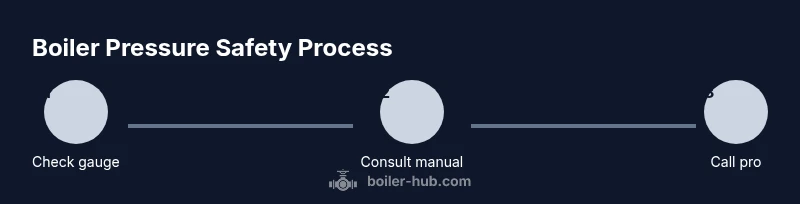
This section outlines a safe, step-by-step approach when pressure readings drift during a heating cycle. First, switch off the boiler and thermostat and allow the unit to cool completely before touching controls. Then re-check the gauge to confirm a stable reading once cooled. If readings remain outside the safe range when cold, consult the manual for your model’s prescribed action. For models that support mid-cycle refill, you would typically connect the filling loop and add water slowly while watching the gauge, stopping as soon as the target range is reached. Never exceed the maximum safe pressure, and never force water into a pressurized system. If a fault is suspected, such as a failing expansion vessel or a faulty automatic fill valve, avoid attempting a DIY fix. These components can cause dangerous pressure surges. Log readings and photos for a technician if you call for service.
Common causes of pressure changes and how to diagnose them
Pressure fluctuations can originate from several sources. An expansion vessel that has lost its air charge or become waterlogged reduces its capacity to absorb expansion, causing unstable pressure. Leaks in seals or joints release water and lower pressure, while a faulty auto-fill valve can permit unintended fills. Air trapped in the system can cause inconsistent readings as it moves through radiators and baseboards. Bleeding radiators releases air but does not fix a pressure issue; it can momentarily alter readings. If you observe pressure changes after bleeding, the root cause likely lies elsewhere. Regular inspection of fittings, the pressure relief valve, and the circulating pump can reveal problems. Boiler Hub Analysis notes that many mid-cycle issues relate to expansion vessel faults and leaks. Understanding these causes helps you decide which steps are safe and when to involve a professional.
Safe pressure management: long-term practices and safety
To maintain safe pressure over time, schedule periodic professional checks, especially if fluctuations recur. Bleed radiators only as part of system balancing, not to adjust pressure mid-cycle. Confirm your system has an expansion tank properly sized for the boiler and that connections to the filling loop are secure. Keep the boiler area clean and organized, storing manuals and tools in a known location. Use the gauge as a health indicator: readings that stabilize within the safe range after cycling suggest normal operation. If you have any doubt about a procedure, pause and contact a technician. The Boiler Hub team emphasizes proactive maintenance and adherence to manufacturer guidance to minimize dangerous pressure situations and improve efficiency.
Tools & Materials
- Boiler manual(Keep for safe pressure range and model-specific steps.)
- Filling loop tool or key(Required if your boiler model supports mid-cycle refill.)
- Adjustable wrench set(For loosening/tightening fittings per model guidelines.)
- Leak-safe cloth or towel(Use to catch drips and keep the area clean.)
- Safety gloves and eye protection(Personal protection during inspections.)
Steps
Estimated time: 30-60 minutes
- 1
Power down and let the boiler cool
Turn off the boiler at the thermostat and power switch, then wait until the unit and piping feel cool to the touch. This reduces burn risk and ensures accurate pressure readings. Do not handle fittings while hot.
Tip: Always wear gloves and keep a dry surface for tools. - 2
Locate the pressure gauge and reference the manual
Identify the gauge reading and locate the safe operating range in your boiler manual. Compare the current reading to the recommended range and decide next steps based on whether the boiler is hot or cold.
Tip: If you can’t find the range, stop and consult a professional. - 3
Check if the model permits mid-cycle refill
Some boilers allow a controlled refill when cold or off; verify this in the manual before attempting anything. If mid-cycle adjustments are not permitted by your model, do not try to refill.
Tip: If unsure, do not attempt and seek professional guidance. - 4
If refill is permitted, prepare the filling loop
Ensure the filling loop is connected securely to the designated ports and fully open only as directed. Open slowly and monitor the gauge to avoid overshooting the target range.
Tip: Go slow; water added too quickly can overshoot the safe range. - 5
Return to safe range and re-check
Once the gauge approaches the safe range, close the filling loop, re-seal any valves, and restart the boiler. Check the pressure again after the system cycles to confirm stability.
Tip: Document the reading for future reference. - 6
Restart and monitor during the first cycle
Turn the boiler back on and observe the readings during the initial heating cycle. If the pressure climbs toward unsafe levels again, shut down and seek professional help rather than forcing an adjustment.
Tip: If you see steady high readings, call a technician promptly.
Questions & Answers
Can you increase boiler pressure when heating is on?
Generally no. Most boilers restrict mid-cycle pressure changes to protect components and maintain safety. If you must adjust, do so only when the boiler is off and per the manual.
Generally no—adjustments should only be made when the boiler is off and per the manual.
What should the boiler pressure read when cold vs hot?
Cold readings are lower and hot readings rise with water expansion. Always compare readings to the safe range in the manual and avoid letting pressure approach the red zone.
Cold is lower; hot increases with expansion. Stay within the manual’s safe range.
What risks come from high pressure?
High pressure can trigger the safety relief valve, cause leaks, or damage seals and heat exchangers. Do not vent or bleed when hot; seek professional help.
High pressure can trigger safety valves and cause damage; don’t vent when hot.
If pressure drops during heating, what should I do?
Shut down the boiler and let it cool, then inspect for leaks or faults like a faulty expansion vessel. Do not force water into a live system without manufacturer guidance.
Shut it off and check for leaks or expansion vessel issues before adjusting.
Is using the filling loop safe?
Only use the filling loop if your boiler model supports it and you have explicit instructions. Open slowly and stop as soon as the gauge reaches the safe range.
Only use it if your model allows it and you know how to do it safely.
When should I call a professional?
If you notice repeated fluctuations, persistent high pressure, or you’re unsure about the correct procedure, contact a qualified technician. Ongoing issues can indicate a faulty expansion vessel or valve.
Call a technician if the issue keeps returning or you’re unsure about the steps.
Watch Video
Key Points
- Do not adjust pressure during active heating; safety first.
- Use the manual and manufacturer guidance for any refill or adjustment.
- Check expansion vessel and leaks as common causes of pressure drift.
- Only perform refilling if your model explicitly allows it and you know how to do it safely.
- If in doubt, schedule a professional inspection.