Can You Add Water to a Boiler While It's On? A Safer, Step-by-Step Guide
Learn whether you can safely add water to a boiler while it's on, plus step-by-step precautions, common mistakes, and maintenance tips from Boiler Hub.


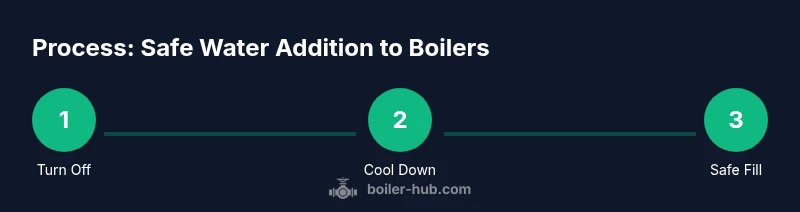
Can you add water to a boiler while it's on? In most residential boilers, the answer is no. Do not add water while the boiler is heating or hot. Shut the boiler off, let it cool, and use the approved fill method once you have depressurized the system. If unsure, consult the manual or contact a qualified technician.
Overview
According to Boiler Hub, can you add water to a boiler when it's on? In most residential boiler configurations, the safe, recommended practice is to avoid adding water while the unit is actively heating or hot. The risk is not only scalding but also sudden pressure changes that can stress internal components, seals, and pressure relief devices. This article explains why the rule exists, how water addition interacts with different boiler designs, and what you should do instead. By understanding boiler basics and following manufacturer guidelines, homeowners and facility managers can reduce the chance of damage, leaks, or unsafe pressure spikes. Boiler Hub Analysis, 2026 highlights that improper water management is a common cause of boiler-related safety concerns, underscoring the need for caution and proper procedures.
Safety considerations
Water addition to a live boiler can create unpredictable pressure and temperature shifts. Before attempting any water adjustments, wear appropriate PPE (heat-resistant gloves, eye protection) and ensure your area is clear of bystanders. Never open hot valves, relief vents, or the pressure relief valve while the system is under pressure or hot, as this can cause scalding or explosive release. If anything seems abnormal—unusual noises, bubbling, or erratic gauge readings—shut the system down and consult a professional. Keeping the area ventilated helps manage any fumes or steam that may escape during maintenance activities. Boiler Hub emphasizes that safety data and local regulations should always guide action, not guesswork.
When to add water
Water should generally be added only after the boiler has been turned off, depressurized, and cooled to a safe temperature. Low-water conditions can cause fuel waste, overheating, or damaging the heat exchanger, but adding water while hot can worsen these risks. For open-vented systems, a controlled fill from a proper feed valve is crucial; for sealed/pressurized systems, the presence of an expansion vessel and a pressure gauge requires following manufacturer-specific steps to avoid over-pressurization. Always consult your manual for model-specific guidelines before attempting any fill procedures.
How water interacts with boiler types
Different boiler designs respond differently to water replenishment. Open-vented systems rely on atmospheric pressure on the expansion; sealed systems use a closed loop with an expansion vessel and a pressure control. In open-vented setups, the fill valve is typically easier to access, but you still must shut down first. In sealed systems, the risk of over-pressurization is higher if you misread the gauge or bypass the intended fill method. Understanding your system’s configuration helps you decide whether a water top-up is permissible and, if so, how to perform it safely.
Special cases: expansion tanks and feedwater
An expansion tank helps absorb pressure spikes as water heats and expands. If the expansion vessel is waterlogged or the pre-charge pressure is off, you may notice frequent pressure fluctuations that tempt a manual top-up. In some boilers, the fill procedure is automated or semi-automated, and manual water addition without following the sequence can bypass safety interlocks. If you suspect issues with the expansion tank or automatic feed, do not improvise; arrange a service visit. Boiler Hub recommends scheduling regular inspections to verify that the expansion system and safety devices function correctly.
Common mistakes and how to avoid them
- Filling a hot boiler along with live pressure: avoid at all costs. - Using the wrong valve or hose: always use the designated feed pipe for your model. - Overfilling: monitor gauge readings and never exceed the recommended pressure. - Ignoring leaks or crusty deposits: these indicate underlying issues that require professional evaluation. Proactive checks can prevent dangerous failures.
Professional maintenance and when to call a technician
If you’re unsure about your boiler’s water level, pressure, or expansion tank status, the safest course is to contact a qualified technician. Regular maintenance, including checks of the fill valve, pressure gauges, and safety components, reduces the need for ad-hoc water top-ups. Boiler Hub encourages homeowners and facility managers to follow a scheduled service plan that aligns with manufacturer recommendations and local safety regulations.
Tools & Materials
- Owner's manual(Model-specific fill instructions)
- PPE: heat-resistant gloves and safety goggles(Protect hands and eyes from steam)
- Appropriate water supply hose(Connect to the fill valve if permitted)
- Pressure gauge tester or manometer(Monitor system pressure during any fill)
- Bucket or container to catch overflow(Prevent spills and slips)
- Tools for valve access (screwdriver/wrench)(Only if required by your model)
Steps
Estimated time: 30-60 minutes
- 1
Power down and cool the boiler
Turn off the boiler and switch off the power supply. Allow the unit to cool completely before handling any valves or pipes. This reduces burn risk and prevents rapid pressure changes.
Tip: Always start from a fully off and cooled state. - 2
Isolate gas and electricity
If applicable, shut off gas supply and disconnect electrical power to prevent accidental reactivation during maintenance.
Tip: Confirm the boiler is disconnected from power using the emergency stop if equipped. - 3
Locate fill valve and gauge
Identify the fill valve and the system pressure gauge. The manufacturer’s manual will show exact locations and labels for your model.
Tip: Do not rely on sight alone; verify the gauge reading before proceeding. - 4
Open valve slowly and observe pressure
If your system permits, open the fill valve slowly and watch the pressure gauge. Stop if the reading approaches the manufacturer’s recommended maximum.
Tip: Open gradually in small amounts to avoid surges. - 5
Close valve and depressurize if needed
Close the valve as soon as the pressure aligns with the target range. If you observe rapid pressure changes, depressurize according to the manual and recheck.
Tip: Never force the valve beyond its intended range. - 6
Check expansion tank status
Inspect the expansion vessel for proper pre-charge pressure and signs of waterlogging. A faulty tank can cause erratic pressure and frequent top-ups.
Tip: An HVAC tech can verify pre-charge using a gauge and pressure tester. - 7
Restart and test safety devices
Reconnect power and gas, restart the boiler, and run a diagnostic cycle to ensure safety devices engage properly. Check for leaks around fittings and valves.
Tip: If any alarm or abnormal reading occurs, stop and call a professional.
Questions & Answers
Is it safe to add water to a boiler while it is hot?
No. Adding water to a hot boiler can cause scalding and pressure shocks. Always turn off and allow cooling before any fill.
No. Wait until the boiler is cool before adding water, and follow the manufacturer’s steps.
What should I do if the boiler is hot and I notice low water?
Do not add water. Shut down, cool, and seek guidance from the manual or a technician to avoid damage.
Shut it off and let it cool before taking action or calling for help.
How can I tell if my boiler needs water?
Check the pressure gauge against the manufacturer’s recommended range and listen for warning beeps or symptoms like low heat. If uncertain, consult a professional.
Check the gauge and system behavior; if unsure, get a technician.
Can a sealed boiler be refilled manually?
Some sealed boilers permit refill through a controlled process, but it must follow the manufacturer’s procedure to avoid over-pressurization.
Only if the manual specifies a controlled method; otherwise call a pro.
What are signs of dangerous pressure after topping up?
Sudden gauge spikes, steam leaks, loud banging, or popping sounds demand immediate shutdown and professional inspection.
If you see sudden pressure changes or leaks, shut down and call a technician.
When should I call a professional for water-related boiler issues?
If you’re unsure about any step, if leaks appear, or if the pressure remains unstable, schedule service promptly.
Call a technician if you’re unsure or see leaks or pressure problems.
Watch Video
Key Points
- Do not add water to a live boiler; shut down first.
- Consult the manual or a technician for model-specific steps.
- Monitor pressure closely to avoid over-pressurization.
- Inspect expansion components regularly to prevent issues.
- Prioritize safety and proper maintenance over ad-hoc fixes.