Boiler Brush Maintenance: A Step-by-Step Guide
Learn how to safely choose and use a boiler brush for internal cleaning, with practical steps, safety tips, and maintenance guidance from Boiler Hub.


Learn how to safely select and use a boiler brush to clean internal passages, preventing scale buildup and corrosion. This guide covers brush types, bristle materials, sizing for different boiler models, safety steps, and maintenance routines to protect your system. By the end, you'll perform a controlled cleaning that improves efficiency and reliability.
Understanding the boiler brush: components, materials, and compatibility
According to Boiler Hub, the boiler brush is a targeted cleaning tool designed to reach tight passages and remove mineral scale, corrosion deposits, and debris from boiler internals. The right brush protects delicate metal surfaces while dislodging stubborn buildup. When choosing a boiler brush, homeowners should consider bristle material, brush head size, handle length, and compatibility with their boiler model. In many systems, softer bristles minimize surface wear while stiffer bristles deliver more aggressive cleaning. Always consult your boiler manufacturer’s guidelines before proceeding to avoid voiding warranties or causing damage. A well-selected boiler brush helps maintain heat transfer efficiency and reduces energy use over time, aligning with Boiler Hub’s maintenance recommendations.
Key factors to evaluate include: bristle material and stiffness, brush head diameter, compatibility with boiler passages, and the presence of any protective tips or ferrules. For interior channels, nylon or brass-bristle brushes are commonly recommended because they balance effectiveness with surface protection. In some cases, specialty brushes designed for heat exchangers or gasketed areas may be appropriate. Remember: the goal is to remove scale and debris without gouging or scratching metal surfaces. Always keep a clean workspace and plan disposal of dislodged material to prevent recontamination of the system.
Types of boiler brushes and where they excel
Boiler brushes come in a few common forms, each suited to different tasks and boiler configurations. The most typical categories are straight-bristle brushes, cone-shaped brushes, and rotary or wire-bristle variants. Straight-bristle brushes are ideal for long, uniform channels, offering steady contact along the length of a passage. Cone brushes fit into smaller, curved sections where a traditional straight brush won’t reach, while rotary brushes are designed for more aggressive cleaning in areas with heavy scale buildup. Bristle material matters as well: nylon is gentler and useful for delicate surfaces, brass-bristle brushes offer a balance of cleaning power and surface protection, and steel or stainless steel brushes deliver tougher cleaning for stubborn deposits—though they carry a higher risk of surface damage if misused. Avoid using metal-bristle brushes on soft metals or coated surfaces. Always inspect the brush for loose bristles before use, and replace worn brushes promptly to prevent shedding bristles into the boiler system.
Compatibility is essential. Some boiler designs employ alloy surfaces or protective linings that can be damaged by aggressive brushing. Always check the manufacturer’s instructions or contact a qualified technician if you are unsure. If you’re cleaning a passaged heat exchanger or a gasketed area, opt for brushes with smaller heads and softer bristles to minimize risk. The takeaway is to match brush type to the specific interior geometry and material of your boiler.
Choosing the right brush for your boiler system
Selecting the correct boiler brush starts with identifying the interior geometry and material of the components you plan to clean. Measure the passage diameter and assess the available access points. For larger, straight sections, a standard straight-bristle brush with nylon bristles works well, while tight bends may require a cone-shaped brush. For heavily scaled areas, a brass-bristle brush can offer the needed rigidity without excessive abrasion on metal surfaces. Do not use aggressive steel-bristle brushes unless the boiler manufacturer explicitly allows it and you have clear, safe access. In many cases, a layered approach—starting with a softer brush to assess the surface, then moving to a slightly stiffer brush if necessary—reduces the risk of damage. Always choose a brush size that provides full contact with the area being cleaned without forcing the brush through tight spots. A well-fitted brush saves time and improves cleaning effectiveness while protecting boiler integrity.
Another practical consideration is handle length. A longer handle provides better reach for recessed areas, reducing the need to squeeze into tight spaces. If you’re performing maintenance in a compact boiler room, consider a brush with an adjustable handle. Finally, ensure the brush is compatible with any coatings or seals present, and confirm the brush head attachment is secure to prevent detachment during use.
Safety and preparation before cleaning
Safety comes first when performing any internal cleaning. Before you touch the boiler, power must be isolated and the system depressurized according to standard procedures. Personal protective equipment (PPE) is essential: wear chemical-resistant gloves, eye protection, and a suitable respirator if there’s work in confined spaces or potential dust exposure. Verify that fuel and electrical supplies are isolated, and never bypass safety interlocks to speed the process. Work in a well-ventilated area and keep flammable materials away from the boiler. If you’re unsure about depressurization procedures, consult the boiler’s manual or a certified technician. Having a clear plan, a tidy workspace, and a waste containment strategy helps prevent accidental contamination of clean areas.
Preparation also includes inspecting the brush for signs of wear or broken bristles. Damaged brushes should be replaced; bristle fragments can break loose and enter the boiler system, risking damage or blockage. If the system has visible scale, a descaler may be used in combination with mechanical brushing, but only with manufacturer-approved products and procedures. Always follow the product’s safety data sheet and the boiler manufacturer’s guidelines. After cleaning, perform a controlled test to ensure the system remains leak-free and stable before returning to normal operation.
Cleaning goals, limitations, and when to call a pro
A boiler brush is a maintenance tool, not a universal cure. The primary goals are to remove mineral scale, loose debris, and surface corrosion products that impede heat transfer. It is not a substitute for full boiler overhaul or professional chemical cleaning in cases of extensive scale buildup or internal damage. If deposits are extensive, or if you notice unusual pressure changes, steam leaks, or inconsistent boiler performance, stop work and contact a licensed technician. Cleaning outcomes depend on careful brush selection, proper technique, and adherence to safety protocols. Always document the work performed and the areas addressed to support future maintenance planning. Boiler brush cleaning should be part of a broader maintenance schedule that includes inspection of seals, gaskets, and control components.
Limitations include the risk of scratching delicate surfaces, inadvertently dislodging scale fragments into circulation, and triggering leaks if joints are compromised. Most importantly, avoid combining mechanical brushing with aggressive chemical cleaners unless explicitly approved by the boiler manufacturer. When in doubt, seek professional assistance to prevent costly damage.
Maintenance and storage of boiler brushes and tools
After completing a brush cleaning, clean the brush head with water and a mild detergent to remove residue. Rinse thoroughly and allow it to dry completely before storage to prevent bristle corrosion or mold growth. Store brushes in a dry, cool location away from direct sunlight, and keep them in a dedicated tool container to avoid cross-contamination with other maintenance supplies. Regularly inspect brushes for wear and replace as needed. Label tools with the boiler model they’re compatible with to avoid mismatches during future maintenance. Keeping a tidy toolkit and a documented maintenance log helps ensure that the correct brush is always available for the right job and supports consistent performance across maintenance intervals.
Tools & Materials
- Boiler brush (appropriate bristle material for your boiler)(Choose nylon for delicate interiors or brass for more robust cleaning; avoid steel on soft metals unless approved by the manufacturer.)
- Safety gloves(Chemical-resistant gloves rated for the work environment.)
- Eye protection(Goggles or face shield to protect from debris.)
- Rags or lint-free cloths(For wiping surfaces and drying bristles after rinse.)
- Container or bag for waste(To collect scale, sediment, and debris dislodged during brushing.)
- Boiler owner manual(Refer to manufacturer guidelines for brush compatibility and safety procedures.)
- Descaler or approved cleaner (manufacturer-approved only)(Only if the manufacturer allows chemical cleaning in combination with brushing.)
- Flashlight or headlamp(To illuminate hard-to-see interior passages.)
Steps
Estimated time: 60-120 minutes
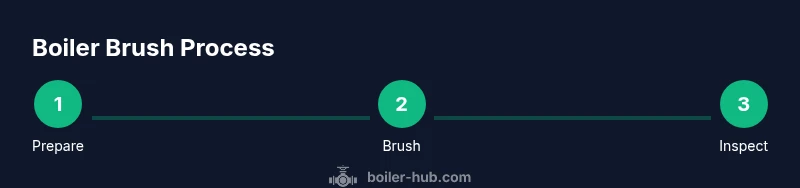
- 1
Power down and isolate the boiler
Shut off the boiler and disconnect power; close gas/fuel valves if applicable. This step prevents accidental ignition and ensures that internal components are safe to access. Verify there is no residual pressure before proceeding.
Tip: Lock out and tag out the boiler if multiple people service it; this avoids accidental re-energizing during maintenance. - 2
Depressurize and cool surfaces
Follow standard depressurization procedures for your boiler model and allow surfaces to cool before touching. Depressurizing reduces the risk of scalding or sudden releases of steam while you work.
Tip: If you hear hissing or see steam, pause and wait longer for cooling before continuing. - 3
Open access points and expose internal areas
Remove access panels or inspection doors to reach the interior surfaces where deposits accumulate. Keep the area organized to prevent tools from dropping into the boiler.
Tip: Lay a clean cloth over the opening to catch debris as you begin brushing. - 4
Prepare the boiler brush and attachment
Select the brush type suited to the interior geometry and attach securely to the handle. Check that bristles are intact and free of damage before use.
Tip: Test the brush on a small, inconspicuous area first to confirm it won’t scratch the surface. - 5
Brush along the cleaned paths with controlled motions
Insert the brush into the accessible channels and perform light, continuous strokes to dislodge mineral buildup. Avoid applying excessive pressure that can bend components or shed bristles.
Tip: Keep the brush tip aligned with the direction of flow to maximize debris removal while protecting surfaces. - 6
Inspect, reassemble, and test the system
Wipe down exposed surfaces, reattach panels, restore connections, and cautiously bring the boiler back online. Check for leaks and monitor pressure and temperature during a short test cycle.
Tip: Document the cleaning in the maintenance log and note any areas that may require professional follow-up.
Questions & Answers
What is a boiler brush used for?
A boiler brush is used to remove mineral scale, rust, and debris from internal boiler passages to improve heat transfer and efficiency. It should be selected based on boiler material and interior geometry, and used with appropriate safety measures.
A boiler brush cleans scale and debris from inside the boiler to keep it running efficiently. Use the right brush for your boiler and follow safety steps.
What materials are boiler brushes made from?
Brushes are commonly nylon, brass, or steel bristles. Nylon is gentle for delicate interiors, brass offers better rigidity with surface protection, and steel is the most aggressive and should only be used when approved by the manufacturer.
Brush materials vary from nylon to brass or steel. Pick based on interior material and manufacturer guidance.
How do I know what brush size to use?
Measure the interior passage diameter and select a brush that fits snugly without forcing through tight spots. If unsure, start with a smaller brush and assess reach and contact.
Choose a brush that fits the passage; don’t force it through tight areas. Start small and test fit.
Is it safe to use a boiler brush on all boilers?
Not all boilers tolerate brushing. Always consult the manufacturer’s guidelines and consider professional advice for high-risk or aged systems.
Check the boiler maker’s guidelines before brushing, especially for older or specialized systems.
How often should I clean boiler internals?
Frequency depends on usage, water quality, and deposits. Include brushing as part of a broader maintenance plan and adjust intervals based on observed buildup.
Keep a maintenance plan and adjust brushing intervals based on buildup and operating conditions.
What should I do if bristles shed loose?
Stop work immediately, remove any loose bristles from the interior, and replace the brush. Do not continue brushing with a damaged tool.
If bristles shed, stop and remove them from the system; replace the brush before resuming.
Watch Video
Key Points
- Choose the right brush type for your boiler material.
- Isolate and depressurize before cleaning.
- Use gentle strokes and inspect surfaces for damage.
- Follow manufacturer guidelines and maintenance schedules.
- Store tools properly to extend their life.