Boiler Bleeder Valve: How to Bleed and Maintain Your Boiler
Learn how to safely bleed a boiler bleeder valve, troubleshoot air in your heating system, and maintain optimal pressure for efficient, reliable heat. Step-by-step guidance, safety tips, and practical maintenance for homeowners and facility managers.


This guide shows you how to safely bleed a boiler bleeder valve to remove trapped air, restore proper system pressure, and improve heat distribution. You’ll learn when bleeding is needed, how to identify the right valve, the essential tools, and the safest way to perform the procedure. Boiler Hub’s guidance supports practical, risk-aware maintenance.
What is a boiler bleeder valve and why it matters
A boiler bleeder valve is a small, purpose-built valve on the boiler or at the end of a zone that allows air pockets to escape from the heating loop. When air accumulates, it can prevent water from circulating freely, causing cold spots in radiators, knocking sounds, and higher energy use. Bleeding the valve releases trapped air, restores steady water flow, and helps maintain consistent boiler pressure. According to Boiler Hub, regular, careful bleeding is a cornerstone of responsible boiler maintenance for homeowners and facility managers alike. This simple action can extend equipment life, reduce noise, and improve overall comfort by ensuring uniform heat distribution across the system.
How air enters and why bleeding helps
Air can enter a closed boiler system through small leaks, during initial filling, or as water heats and expands, creating pockets of air that migrate to high points. When air accumulates at the highest points in the piping, it blocks water from circulating, which reduces heat transfer and makes the boiler work harder. Bleeding releases air until a steady stream of water, free of air bubbles, emerges from the valve. Regularly removing air improves system efficiency, reduces strain on the pump, and stabilizes pressure, which can translate into lower fuel consumption and more reliable heating. Boiler Hub analysis shows that properly bled systems experience fewer startup delays and less cold radiator spots, especially in multi-zone configurations.
Types of boiler bleeder valves
There are three common varieties you’ll encounter. Manual bleeder valves are common on older systems and require a small wrench or valve key to open slowly. Automatic air vents are built into some models and release air without manual intervention, which is convenient but may fail over time. Petcock-style vents, often found on cast-iron boilers, offer a simple screw-type mechanism. Understanding your valve type matters because the correct technique, tool choice, and caution level depend on whether the valve is manual or automatic. When in doubt, consult your boiler manual or a qualified professional to identify the right approach for your setup.
Safety-first guidelines for bleeding a boiler
Bleeding involves releasing hot water and steam, so safety is essential. Always switch off the boiler and allow it to cool before starting. Wear eye protection and gloves, keep a bucket or container ready, and work on a dry, stable surface. If your system is under pressure or you notice a rapid rise in pressure after bleeding, stop and reassess. If you suspect a pressure problem or a leak, contact a licensed technician. Proper shutdown and controlled venting minimize the risk of scalding, water burns, or pressure-related hazards.
Before you bleed: preparation and checks
Gather the items you’ll need, and verify the boiler is safe to service. Check the current system pressure on the gauge and compare it to the boiler’s recommended range. Ensure the area around the boiler is clear, and place a towel or rag to catch drips. If you have multiple air points, plan the order you’ll bleed them to minimize the total time. Finally, confirm you have a suitable container to collect discharged water. Preparation reduces mess, speeds up bleeding, and lowers the chance of accidental scalds.
Common mistakes and how to avoid them
Rushing the valve can trap more air or cause water spray. Opening the vent too quickly can eject hot water and steam, creating a safety hazard. Not having a clear return path or failing to close the valve fully after water begins to flow can leave air pockets behind. To avoid these issues, bleed slowly, watch the flow for steady water without air bubbles, and shut the valve firmly once the stream is clean.Documentation from Boiler Hub emphasizes taking your time and using the right tools for your system, especially on multi-zone setups where air pockets can form in hard-to-reach lines.
Troubleshooting after bleeding: what to expect
If radiators still feel cold or noisy after bleeding, the system may still contain air in other sections, or the pressure may be off. Recheck each radiator at higher points and bleed again if necessary. If water leaks around the valve or nearby joints, tighten connections carefully or replace faulty gaskets. Persistent issues could indicate a more serious problem, such as a failing pump, a blocked line, or a thermostat malfunction. In such cases, consult a professional for a thorough assessment and safe repair.
Maintenance mindset: preventing future air buildup
Regularly inspecting radiator connections, bleed points, and seals helps prevent air from entering the system. Schedule annual checks of the boiler’s pressure, expansion tank, and fill valve. If your home has different zones or mixed radiators, balance the system so each loop maintains sufficient flow. Keeping the system clean from mineral buildup and addressing leaks promptly minimizes air formation. Consistent, thoughtful maintenance preserves efficiency, reduces energy waste, and extends the life of your boiler.
Tools & Materials
- Bucket or drain pan(Capable of holding 1-2 quarts; place under bleed valve)
- Bleeder valve key or flathead screwdriver(Needed to open manual bleeder valves)
- Adjustable wrench(Use if your valve requires a nut to hold or adapt)
- Rag or towel(Catches drips and helps keep area clean)
- Gloves and safety glasses(Protect hands and eyes from hot water)
- Terry cloth or old towel(Extra protection for spills)
- Digital thermometer or temperature strip(Optional for checking water temperature during service)
Steps
Estimated time: 25-40 minutes
- 1
Shut off boiler and allow cooling
Turn off the boiler and wait for the system to cool to a safe temperature. This reduces the risk of scalding from hot water or steam when you open the bleeder valve.
Tip: If you must bleed while warm, wear protective gear and proceed slowly to monitor for splashes. - 2
Locate the bleed valve and prepare the receptacle
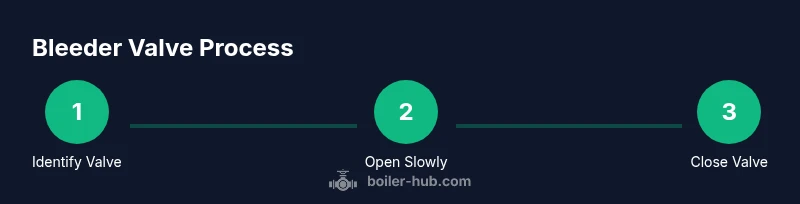
Identify the bleed valve on the boiler or on the radiator line. Place a bucket or drain pan directly underneath to catch water and air as it escapes. Have a rag handy for any drips.
Tip: If you’re unsure which valve is the bleeder, consult the boiler manual or label near the valve. - 3
Loosen the valve gradually
Using the appropriate key or screwdriver, slowly turn the bleed valve counterclockwise. Listen for a hissing sound as air escapes, followed by a steady flow of water.
Tip: Open slowly to avoid a spray of hot water and to prevent air from being blown back into the system. - 4
Close the valve once water runs clear
When a steady stream of water (no air) emerges, close the valve firmly to reseal. Wipe away any spills and replace any caps or covers.
Tip: Do not over-tighten; a snug seal is enough to prevent leaks. - 5
Check system pressure and refill if needed
Observe the boiler’s pressure gauge and compare it to the manufacturer’s recommended range. If the pressure is low, repressurize the system using the fill valve according to the boiler manual.
Tip: Recheck after a few minutes of running to ensure the pressure stabilizes. - 6
Bleed multiple zones if applicable
If you have multiple zones or radiators at different heights, repeat the bleeding process at each location to eliminate trapped air completely.
Tip: Tackle higher points first, then work downward to maximize efficiency.
Questions & Answers
Do I need to bleed my boiler?
Bleeding helps remove air that can block circulation, reduce efficiency, and cause noise. If you notice cold spots, banging sounds, or pressure fluctuations, bleeding may be appropriate.
Bleeding can improve performance if air pockets are present. If in doubt, consult a professional.
What happens if I over-bleed?
Over-bleeding can drop the boiler pressure too low, causing cycling or inefficiency. Stop bleeding when water pours steadily and the air is gone, then re-check the pressure and refill if necessary.
If pressure drops too low after bleeding, repressurize following the boiler manual.
Can I bleed a boiler when it's hot?
Bleeding should be done only after allowing the boiler to cool to a safe temperature. Bleeding hot water increases the risk of scalding.
Wait for it to cool and wear protective gear before bleeding.
How often should I bleed the boiler?
Bleed as needed when you notice air pockets, cold spots, or noises. For some systems, annual checks are sufficient; for others, more frequent attention may be beneficial.
Most homes benefit from a yearly check, but use signs of air as your guide.
What tools do I need?
A bleed valve key or screwdriver, a bucket, rag, gloves, and possibly a wrench. Some valves require a specific tool, so consult your boiler manual.
Basic tools plus protective gloves are usually enough.
Will bleeding fix a leak?
Bleeding addresses air, not structural leaks. If you have a leak at the valve or joints, tighten connections or replace gaskets; ongoing leaks require professional attention.
Bleeding won’t fix leaks; call a pro if leaks persist.
Watch Video
Key Points
- Bleed air from high-point bleed valves to restore circulation
- Shut down and cool the boiler before bleeding for safety
- Bleed slowly and monitor pressure to prevent over-pressurization
- Check multiple zones if you have a multi-zone system
- Regular maintenance reduces air buildup and improves efficiency