How to Get Rid of Air in a Boiler System
A comprehensive, practical guide to purging air from a boiler system. Learn safe techniques, from bleeding radiators to checking pressure and vent maintenance, with expert tips from Boiler Hub.


Air in a boiler system can cause cold spots, banging noises, and reduced efficiency. According to Boiler Hub, the quickest fix is to bleed trapped air, verify boiler pressure, and use the appropriate vents. Start by bleeding radiators, then purge the boiler’s air vent and expansion tank if needed, and recheck heat output and pressure. This approach minimizes risk and saves energy.
Why air in a boiler system happens and why it's risky
Air pockets form in a boiler loop when water expands and contracts during heating cycles, trapping air in sections of the pipework and radiators. According to Boiler Hub, trapped air reduces heat transfer, causes cold spots on radiators, and increases energy consumption because the system has to work harder to reach target temperatures. Air can also accelerate corrosion in the boiler and heat exchanger if left unresolved. You may notice uneven heating, rattling or banging noises in the pipes, and increased boiler cycling as signs the air is accumulating. Understanding where air hides—radiator bleed valves, boiler feedwater lines, and expansion tanks—helps you target the purge effectively and minimize disruption to hot water supply.
How trapped air affects system performance and safety
Air pockets impede the circulation of heated water, creating pockets of cooler water that never fully give up their heat to radiators. This forces the boiler to run longer and hotter, increasing wear on pumps, seals, and gaskets. In extreme cases, air can cause air locks that prevent the boiler from firing correctly, leading to repeated cycling and a potential safety concern if pressure spikes occur. Regular venting not only improves heat delivery but also reduces noise and vibration in the heating loop. By removing air, you also protect heat exchangers from accelerated corrosion and maintain system efficiency over time.
Different venting options and when to use them
There are two primary venting approaches: manual radiator bleeding and automatic air vents. Manual bleeding is best when you have a few radiators with obvious air pockets and you want to release air directly from the radiator valve. Automatic air vents are installed at high points in the piping or near the boiler to continuously purge small air pockets without user intervention. In many systems, a combination is ideal: bleed radiators first to release large air pockets, then rely on automatic vents to catch residual air during regular operation. If your boiler has a dedicated air separator or a cleanout near the pump, these can improve air removal when purging. Check the manufacturer’s recommendations for vent types and sizing to ensure compatibility with your boiler model.
Diagnosing air problems: symptoms and checks
Common signs of air in the system include cold spots on radiators, banging or gurgling noises in piping, and uneven heat distribution across zones. If you notice a sudden drop in boiler pressure after bleeding, there may be a leak or a problem with the expansion tank rather than air alone. Inspect the sight glass or pressure gauge to confirm the current operating pressure; most residential systems target a pressure range around 1–1.5 bar when the system is cold, rising with heat. Listen for air leaks around radiators, valves, and the boiler itself. If the symptoms persist after purging, you may need to inspect the expansion tank, air separator, and venting components for proper function.
Bleed procedures and vent maintenance: best practice
Bleeding is a straightforward but precise operation. Start with the boiler turned off and cool, then bleed each radiator starting from the highest floor downward. Allow a steady trickle of water to escape before sealing the valve. For boilers with automatic vents, ensure the venting mechanism is clean and free of dust; occasionally the valve will require replacement if corrosion or debris blocks venting. After bleeding radiators, check the boiler pressure and adjust with the fill valve if necessary. If you have an expansion tank, verify its pre-charge pressure matches the boiler’s cold operating pressure and inspect the air charge periodically. Use a clean bucket and rag to manage any overflow and avoid water damage to flooring.
Post-bleed checks: confirming system pressure and heat delivery
Once purge steps are complete, restart the boiler and monitor the pressure gauge as the system warms up. If pressure climbs above the recommended range, vent slowly or top off water as specified by the boiler manufacturer to reach the target pressure. Run the heating system for 15–20 minutes to ensure all zones reach setpoints and listen for any remaining air noises. If you continue to hear banging or see inconsistent heating after bleed, there may be a leak, a faulty vent, or an issue with the circulating pump. Document the readings and plan a follow-up check if necessary.
Maintenance schedule and common pitfalls (Boiler Hub tips)
Regular maintenance helps prevent air from causing trouble. Schedule an annual purge in late summer or spring when the heating season is off, especially in homes with frequent temperature fluctuations. Keep venting components clean and dry, and replace worn seals or gaskets to avoid new air entry points. A common pitfall is overfilling the system during manual refilling, which can raise pressure and lead to leaks. Always use the manufacturer’s recommended pressure range and avoid guessing. For complex multi-boiler or zoned systems, consider a professional inspection to verify that air separators and venting at high points are functioning correctly.
Boiler Hub analysis shows that consistent purging and correct venting correlate with fewer callouts for repairs and lower energy costs over the heating season. By following recommended procedures and using quality vents, you can extend the life of your boiler and maintain comfortable home temperatures.
Authority sources and next steps
Authoritative guidance from leading safety and industry organizations should complement home troubleshooting. For more detailed standards and safety practices, consult external references such as the U.S. Department of Energy on boiler efficiency, OSHA boiler safety guidelines, and NFPA boiler safety codes. Always prioritize safety, including turning off power and isolating fuel supplies before working on the boiler.
Authoritative sources to consult:
- https://www.energy.gov/ae/doe-education/boilers
- https://www.osha.gov/SLTC/boilers
- https://www.nfpa.org/
Tools & Materials
- Radiator bleed key (or flat-head screwdriver)(Essential for loosening radiator bleed valves; ensure compatibility with valve size)
- Bucket or tray(Catch water overflow during bleeding to prevent floor damage)
- Towels or rags(Dry spills and wipe down condensation at the vent points)
- Adjustable wrench(Helpful for loosening drain valves or vent fittings if needed)
- Dish or cleaning cloth(Keep vent threads clean to improve sealing capacity)
- Gloves and eye protection(Protect hands and eyes when working near hot water or steam)
- Boiler manual or model-specific vent kit(Follow model instructions for venting and pressure ranges)
Steps
Estimated time: 30-60 minutes
- 1
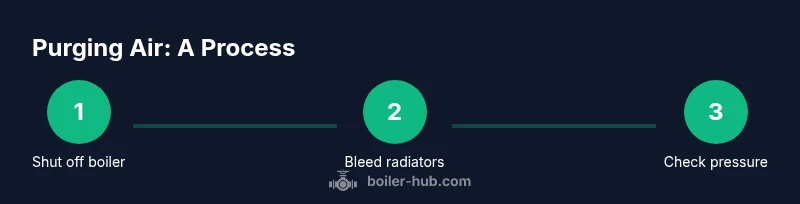
Shut off boiler and let system cool
Turn off the boiler and wait until you can touch radiator surfaces safely. Warmer water and steam can cause burns. This pause reduces the risk of scalding while you bleed air.
Tip: Always verify the surface temperature with the back of your hand before starting. - 2
Check the system pressure
Look at the boiler pressure gauge when the system is cold. Note the recommended cold-start range from your manual, typically around 1 bar. If pressure is too low, you may need to top up water after venting.
Tip: Do not exceed the maximum pressure; over-pressurization can damage joints and valves. - 3
Bleed each radiator
Starting with the highest radiator, insert the bleed key and open the valve until air and water escape. Close when a steady water stream appears. Repeat for every radiator in the home.
Tip: Work slowly to avoid splashing; keep a cloth ready to catch water. - 4
Vent the boiler’s automatic vent
If your boiler has an automatic air vent, ensure it’s clean and functioning. Loosen the cap slightly or replace the vent if you hear continuous hissing or see corrosion.
Tip: Replace faulty vents promptly to prevent recurring air pockets. - 5
Recheck and top up pressure if needed
After bleeding, check the pressure again. If it’s below the recommended range, use the fill valve to bring it up slowly. Do not overshoot; aim for the cold-start target on your boiler.
Tip: Use a slow, deliberate fill to maintain stable pressure. - 6
Inspect expansion tank and air separator
Check the expansion tank pre-charge and, if present, the air separator for signs of air pockets. A faulty tank can introduce air into the system even after bleeding.
Tip: If you suspect tank issues, consider professional service to avoid long-term damage. - 7
Test run and monitor
Restart the boiler and let it run through a few heating cycles. Observe for new air pockets, noises, or pressure fluctuations. Take notes for future maintenance.
Tip: Keep an eye on the first few cycles; early detection is key.
Questions & Answers
What causes air to enter a boiler system?
Air can enter a boiler system through expansion tank pre-charge issues, leaks in the piping, faulty air vents, or after servicing when vents aren’t properly bled. Regular maintenance helps minimize air ingress.
Air gets into the boiler through leaks, faulty vents, or expansion tank issues. Regular maintenance helps prevent this.
Why does my boiler bang when I bleed air?
A banging or kettling sound typically indicates trapped air in the loops or mineral buildup in the heat exchanger. Bleeding reduces air pockets, while flushing the system or descaling may be required for persistent noises.
Banging usually means air or mineral buildup. Bleed and flush as needed to restore quiet operation.
Can I bleed air with the boiler on?
Bleeding is safest when the system is cool. If vents are easily accessible and consistent venting is observed, some maintenance can be done with the boiler on, but avoid opening hot valves to prevent scalding.
It’s safer to bleed when cold, but some tasks may be done with caution if the manual allows.
How often should I purge air from my boiler system?
Frequency depends on usage and system condition. Many homeowners perform a purge once a year or after any major service; heavy usage zones may benefit from more frequent checks.
Purging once a year is common, but adjust based on your system’s behavior.
What if pressure drops after bleeding?
If pressure drops after bleeding, check for leaks around valves and joints, and verify the expansion tank is properly charged. A persistent drop indicates a leak or tank issue requiring professional assessment.
A drop after bleeding points to leaks or expansion tank issues; inspect and call a pro if needed.
Should I replace automatic vents regularly?
Automatic vents can wear out and fail to purge air properly. If you notice persistent air pockets, replace the vent per the manufacturer’s guidance to maintain effective purge.
Replace faulty vents as needed to keep purging effective.
Watch Video
Key Points
- Bleed air from radiators first to release large pockets.
- Monitor and adjust boiler pressure to the recommended cold-start range.
- Use correct vents and replacement parts to prevent future air ingress.
- Inspect expansion tank and air separator if air returns after purge.
- Boiler Hub recommends periodic maintenance to sustain efficiency and safety.