How to Service a Boiler Air Vent Valve
Learn how to inspect, bleed, and maintain a boiler air vent valve to prevent air locks, improve efficiency, and extend boiler life. Includes safety tips, step-by-step procedures, maintenance routines, and troubleshooting.


You're about to learn how to inspect and bleed a boiler air vent valve to prevent air locks and restore steady pressure. You'll need a compatible vent valve, a bleed key or small screwdriver, a rag, and basic safety gear before you begin. This quick guide covers identification, safe preparation, and the step-by-step procedure to keep your boiler running efficiently.
What is a boiler air vent valve and why it matters
A boiler air vent valve is a small device mounted at high points of the heating loop that automatically or manually releases trapped air from the system. Trapped air can impede water flow, reduce heat transfer, and cause noisy operation. When air pockets form, the circulating pump must work harder, which can waste energy and shorten the life of components. Regularly inspecting and venting air helps maintain stable pressure, even temperatures, and efficient boiler performance. If you notice banging noises, cold spots on radiators, or erratic pressure readings on the gauge, a faulty air vent valve may be part of the problem. This is a common maintenance task for both homes and facilities, and addressing it early can prevent bigger problems down the line. According to Boiler Hub, routine checks of vent valves are a simple, cost-effective step that homeowners can perform with basic tools. Vent valves come in two main forms: automatic vents that release air automatically as needed, and manual vents that require a quick opening with a key or screwdriver. Knowing which type you have guides how you test and adjust your system.
Common types of air vents used on boilers
Most boilers rely on two primary vent configurations: automatic vents and manual vents. Automatic vents are tiny, often brass devices placed at the highest point of the loop. They use a float mechanism to release air as it accumulates and close automatically when water comes through. Manual vents are larger, feature an adjustable valve, and require the operator to open them briefly to purge air. Some systems incorporate air scoops or vent extensions to help air migrate toward the vent for easier release. When choosing a vent, consider the boiler type (hot-water vs. steam), system pressure, and the vent’s threading and connection size. If you have a sealed or combi boilers, automatic vents are a common choice for ongoing maintenance, while older installations may rely more on manual vents. Regardless of type, periodic testing and cleaning prevent sluggish operation. If a vent sticks, do not force it; apply light lubrication or replace the valve if necessary. Properly matched vents improve circulation and reduce noise, saving energy over time. Understanding your system’s vent configuration is a key step in effective boiler maintenance.
Symptoms of air in a boiler system
Air in the heating loop creates a range of telltale signs. You may hear banging or gurgling noises as air pockets push water in uneven ways. Radiators might heat unevenly, with hot sections and cold spots indicating air interference. The pressure gauge may swing up or down in ways that don’t match the boiler’s demand, and the system can feel less responsive during heating cycles. In severe cases, air blocks can cause circulating pumps to overwork, reducing efficiency and increasing energy costs. Regular venting and flushing of the system, when done correctly, reduces these symptoms. If you notice persistent noises, reduced comfort, or unexplained pressure fluctuations, inspect the vent valves and surrounding fittings for leaks or blockages. Boiler Hub’s guidance emphasizes that many air-related issues can be resolved by a careful venting routine and a check of the expansion tank, if present. Addressing air problems promptly prevents longer-term damage and keeps the boiler running smoothly.
Safety considerations before starting
Safety first. Before you touch any boiler component, switch off the power at the breaker and, if applicable, shut the main water feed to reduce pressure and water flow. Allow the system to cool; hot water and steam can cause severe burns. Wear protective gloves and eye protection, and keep a clean rag nearby to catch leaks. Work in a well-lit area with stable footing, and never bypass a safety device or tamper with pressure relief valves beyond what the procedure requires. If you are unsure about the gas or oil fuel connection, turn off the boiler and contact a licensed technician. For gas boilers, never operate with loose or damaged gas lines; if you smell gas, evacuate the area and call your gas provider. By following these precautions, you minimize the risk of burns, scalds, or pressure-related incidents during venting. Boiler Hub stresses that safety vigilance is a cornerstone of any DIY boiler task, even routine venting.
Step-by-step inspection and diagnosis
A methodical approach helps you identify whether the air vent valve is the root cause and whether the system needs venting. Start by locating the vent valve at the highest point in the boiler loop; consult your manual for exact location. Check the surrounding fittings for corrosion, leaks, or obstructions that would impede venting. If the valve is automatic, confirm that the vent is not blocked by dust or debris; for manual vents, inspect the valve stem for stiffness. Observe the gauge when the system is cool; note any pressure anomalies that don’t align with the boiler’s typical operating range. Document findings so you can compare over time. If the vent seems to operate intermittently, replace the unit or consult a professional. A quick visual inspection plus a simple function test often reveals whether air is being released correctly. Boiler Hub notes that a routine diagnostic step often resolves most vent-related discomfort without a full system flush.
How to choose the right vent valve for your boiler
Selecting the correct vent valve depends on your boiler type, opening points, and maintenance goals. Automatic vents are convenient for continuous air removal in modern, dry-base systems, while manual vents are cost-effective and straightforward for older installations. Check the valve’s thread size and connection type against the existing fittings. If you have a steam boiler, you may require a specialized vent designed for higher pressures and steam dynamics. Consider corrosion resistance, material (brass or bronze are common), and accessibility for future maintenance. The vent should be located at a high point with clear airflow and not directly next to a heat source or insulation. Finally, review the boiler manufacturer’s recommendations; mismatched vents can lead to leaks, improper venting, or warranty issues. A correct vent valve reduces noise, improves efficiency, and extends equipment life, a point supported by Boiler Hub’s maintenance guidance.
How to bleed air from a boiler using a vent valve
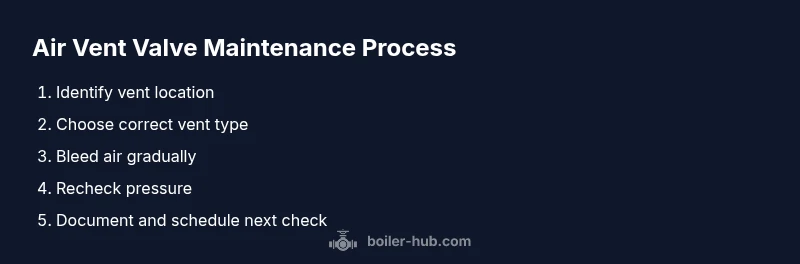
Bleeding air from a boiler requires patience and attention to safety, but it is a straightforward process when you follow a few core steps. Start with the electricity off and the water supply isolated, then locate the vent valve at the top of the loop. Place a rag and a small container under the valve to catch any droplets. Use a vent key or a small screwdriver to slowly open the vent just a quarter-turn; you should hear a hiss as air escapes. When water begins to appear in the outlet stream, close the valve firmly. Recheck the pressure gauge; if pressure has dropped, you may need to top up the system per the manufacturer’s recommendation. If you see continuous air release after closing, repeat with caution or consider professional service. Always vent gradually and avoid rapid releases that could destabilize pressure. This practice helps restore proper circulation and reduces radiator cold spots. Boiler Hub emphasizes safety and methodical technique in every venting procedure.
Maintenance routine to prevent air problems
Preventing air-related issues starts with a regular, simple maintenance routine. Schedule at least one vent check per heating season, or more often in older or oversized systems. Keep a log of vent valve tests, including date, location, and any anomalies you observed. Clean vent outlets and inspect seals for wear. If a vent consistently requires adjustment, it may be time to replace it. Inspect the expansion tank and pressure settings to ensure the system remains properly pressurized; imbalances can invite air into the loop. For homes with multiple radiators, bleed progressively from the highest floor to the lowest to ensure all air is purged. If your boiler runs silently and the radiators stay evenly warm, you likely have good venting. Boil Hub advocates a proactive mindset: small, consistent maintenance prevents big, costly repairs later.
Troubleshooting and common fixes you can perform
If you suspect an air vent problem, start with a visual check: ensure the vent is tight and the stem is intact. Replace a stuck or corroded vent with a like-for-like unit, following the manufacturer’s torque specs. If the system continues to show air pockets, inspect the feed and returns for leaks that allow air infiltration. Confirm there is no blockage in the vent line or the riser where air collects. For persistent noise or temperature variance, there may be an underlying issue such as pump air, improper expansion tank charge, or a closed bypass. In such cases, call a licensed technician to avoid compromising safety or warranty. Regular maintenance remains your best defense, and quick venting corrections can save energy and extend boiler life. The Boiler Hub team reinforces that timely attention to vent valve issues can prevent more expensive repairs down the road.
Tools & Materials
- Vent valve key or screwdriver(Needed for manual vents or adjustment screws)
- Adjustable wrench(For loosening fittings)
- Rag or towel(To catch water and keep area clean)
- Drain pan(Optional for collecting water)
- Safety gloves and goggles(Protect hands and eyes)
- Flashlight(Better visibility at valve)
- Boiler service manual(Consult for model-specific guidance)
Steps
Estimated time: 25-45 minutes
- 1
Shut off power and isolate the boiler
Power down the boiler at the breaker or switch. If you have a combi or sealed system, also close the feed valve to minimize water flow. Allow the system to cool for at least 15-30 minutes before touching components.
Tip: Ensure the boiler is cool before starting to prevent burns. - 2
Locate the vent valve and verify its type
Find the vent valve at a high point in the loop; consult your boiler manual for exact location. Identify whether it is automatic or manual and note the connection type. This helps you apply the correct venting method without forcing a stubborn valve.
Tip: Confirm the valve type before prying or forcing it open. - 3
Prepare the area and gather tools
Place a drain pan or rag beneath the valve. Gather a vent key or screwdriver, gloves, and a flashlight. Clear the work area of clutter to prevent water spills and slips.
Tip: Having everything ready prevents rushed, unsafe actions. - 4
Bleed the vent slowly (if required)
For manual vents, insert the key and open counterclockwise a small amount to release air. Listen for a hiss; once water appears, close the valve promptly. Do not force an over-vent or hold it open too long.
Tip: Vent gradually to avoid a sudden pressure drop. - 5
Check for leaks and reseal if needed
Tighten fittings snugly but avoid over-tightening. Wipe away any drips and inspect the surrounding areas for signs of corrosion or leaks. A small leak can worsen air ingress over time.
Tip: If a leak persists, replace the valve or fittings. - 6
Repressurize the system according to specs
Turn the water supply back on and restore power. Monitor the pressure gauge and bring it within the manufacturer’s recommended range. Do not exceed the upper limit.
Tip: Use the manufacturer’s instructions for the exact pressure target. - 7
Test system operation after venting
Turn the boiler on and observe radiator heat distribution, pump operation, and any noises. If hot radiators appear quickly and consistently, venting was successful. If cold spots persist, repeat a gentle vent or inspect other vents.
Tip: Run through a full heating cycle to ensure stability. - 8
Document results and plan maintenance
Note the vent location, valve condition, and pressure behavior. Schedule the next vent check and consider replacing older vents that show stiffness or wear. Keeping a log helps with future troubleshooting.
Tip: Set reminders for seasonal checks to stay proactive.
Questions & Answers
What is a boiler air vent valve?
An air vent valve is a small device that automatically or manually releases trapped air from a boiler system to improve circulation and efficiency.
An air vent valve releases trapped air from your boiler to keep it running smoothly.
Can I bleed my boiler myself?
Yes, with proper precautions. Always power down, follow safety steps, and use the correct vent valve type. If you’re unsure, consult a professional.
Yes, you can bleed your boiler yourself if you follow safety steps and use the right tools.
How often should I bleed the boiler?
Bleeding frequency depends on system type and usage. Check at the start of each heating season and after any major air-related symptoms such as banging or cold radiators.
Bleed at least once per heating season or when you notice noises or cold spots.
What if venting doesn’t fix the issue?
If venting doesn’t resolve the issue, inspect for leaks, check expansion tank charge, and verify pressure settings. There could be another underlying problem requiring a technician.
If venting doesn’t fix it, check for leaks and other system issues, and call a technician if needed.
Do automatic vents require maintenance?
Yes. Automatic vents can fail over time; test them periodically and replace if they stop venting air effectively.
Automatic vents should be checked and replaced if they stop venting properly.
Is it dangerous to vent a live system?
Venting when the system is hot or under high pressure can cause scalds or steam exposure. Always cool the system first and follow steps.
Venting a live system can be dangerous; always cool it first and follow safety steps.
Watch Video
Key Points
- Bleed air safely using the correct vent valve
- Check system pressure after venting
- Regular maintenance reduces noise
- Use proper PPE and follow safety steps
- Boiler Hub recommends annual checks