What to Do When Your Boiler Is Leaking: Step-by-Step Guide
Learn how to respond safely to a leaking boiler with a clear, step-by-step plan. This guide covers immediate safety actions, when to call a pro, maintenance tips, and what to expect during repair—based on Boiler Hub guidance.


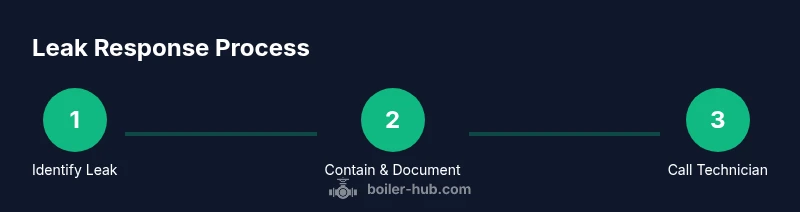
If your boiler is leaking, treat it as an urgent safety issue. Immediately shut off the boiler’s power switch or circuit breaker, and if you can safely access it, close the cold-water supply valve. For gas boilers, shut off the gas supply at the valve near the boiler. Do not try to seal or run the boiler; capture the area to minimize water damage and contact a licensed boiler technician promptly. According to Boiler Hub, quick, decisive action protects people and property.
What a boiler leak means and safety basics
A boiler leak is a red flag that something in the system is failing, whether it’s a loose fitting, a corroded pipe, a worn valve, or a damaged heat exchanger. In many homes, leaks can cause water damage, mold growth, and, in fuel- or gas-powered units, safety risks from gas leaks or carbon monoxide. According to Boiler Hub, homeowners should treat any visible water discharge or active dripping from the boiler area as an urgent situation. Start with safety: if you smell gas, leave the home and call emergency services. If there’s no gas odor, proceed with immediate shutdown steps and a call to a licensed boiler technician.
Immediate actions to take when you notice a leak
The quickest way to reduce risk is to stop the boiler from running and limit water exposure. Begin by turning off power to the unit at the dedicated switch or the main circuit breaker. If you can safely access the water supply, close the boiler’s cold-water supply valve to minimize fresh water input. For gas boilers, shut off the gas at the nearby valve. After power and gas are addressed, place towels or a bucket under the leak to minimize damage and document the situation with photos for your technician. Avoid attempting to weld, patch, or seal the leak yourself. These steps buy time for a safe investigation and professional repair.
Identifying the leak sources and common failure points
Leaks can originate from several places: a loose or damaged connection on piping, a failing pressure relief valve, a cracked heat exchanger, or a corroded tank or seal. Water often runs along the pipe lines and may appear far from the actual source. Look for bright water spray (indicating high pressure), steady drips (typical from a loose fitting), or dampness around joints. If you see crusty mineral buildup around a valve, that can indicate a slow leak that has been ongoing. Document what you see before contacting a technician so they can assess quickly.
DIY considerations: what you can and cannot safely do
Some minor maintenance tasks, like tightening a loose valve or reseating a small fitting, may be within a confident homeowner’s skill set, but many leaks require professional service. Do not attempt to disassemble the boiler, bypass safety controls, or repair a heat exchanger yourself. The complexities of gas connections, electrical safety, and boiler controls demand licensed technicians. If you’re unsure, treat it as a professional job and avoid risky improvisations that could lead to more damage or dangerous conditions.
What a licensed technician will check during repair
A pro will inspect the boiler for the leak source, test system pressure and operation, examine valves and gaskets, and inspect the heat exchanger and combustion area. They’ll check for signs of corrosion, pitting, or scaling, and verify that venting and CO detectors are functioning properly. The repair may involve tightening or replacing fittings, replacing gaskets, or upgrading components like expansion tanks or relief valves. After replacing parts, the technician will perform a pressure test and a safety test to ensure the system runs correctly and safely.
Preventing future leaks: maintenance and monitoring tips
Prevention starts with regular maintenance. Schedule an annual boiler service with a licensed technician, especially if you notice mineral buildup, reduced efficiency, or occasional nuisance leaks. Keep the area around the boiler clean and dry, and install a spill pan with a drain if you don’t already have one. Monitor boiler pressure and temperature according to the manufacturer’s guidelines, bleed radiators if you have hot-water baseboard or radiator systems, and ensure CO detectors and ventilation are in good condition. Small problems caught early can prevent major water damage and expensive repairs.
Quick safety checklist you can print
- If you smell gas or cannot safely shut off power and water, leave the house and call emergency services.
- Document the leak with photos and note the time you observed it.
- Do not operate the boiler until a licensed technician confirms it is safe to do so.
- Keep a towel or bucket handy to manage any discharge and protect your floors.
- Schedule a professional inspection soon after any leak to identify root causes and prevent recurrence.
Tools & Materials
- Flashlight(Power outages or dim lighting near the boiler)
- Bucket(Catch water immediately at the leak)
- Absorbent towels or rags(Keep area dry and limit damage)
- Adjustable wrench set(Tighten or loosen fittings if safe)
- Teflon tape or thread sealant(Seal threaded connections after inspection)
- Camera or smartphone(Document seals, leaks, and labels for technician)
- Gas shutoff tool (if safe and accessible)(Only if you can access safely and you know the location)
- CO detector (battery powered)(Ensure detectors are active during and after a leak)
- Personal protective gear (gloves, safety glasses)(Use if you must approach wet, hot areas)
Steps
Estimated time: 1-2 hours (depending on leak severity and response time)
- 1
Power down the boiler
Locate the boiler’s power switch or the main circuit breaker and switch it to off. This prevents electrical hazards and reduces the risk of the unit re-igniting while you assess the leak.
Tip: If you can't reach the switch safely, do not force access—wait for a pro. - 2
Shut off the water supply
Close the cold-water shutoff valve feeding the boiler if you can reach it without stepping into a flooded area. This helps prevent more water from entering the system and limits potential damage.
Tip: Take a photo of the valve position for the technician. - 3
If gas-powered, stop the gas supply
Turn off the gas valve on the boiler if you can do so safely. Gas safety is critical; if you smell gas, evacuate immediately and call emergency services.
Tip: Do not attempt to relight or operate the boiler after shutting off gas. - 4
Contain and document the leak
Place towels or a bucket to catch drips and take clear photos of the leak, its location, and any corrosion or damage. This helps the technician diagnose the issue quickly.
Tip: Keep children and pets away from the area until professionals arrive. - 5
Call a licensed boiler technician
Contact a qualified technician to inspect and repair the leak. If it’s an emergency, call your local emergency line or gas provider as appropriate.
Tip: Provide the photos and notes you captured to speed up the assessment. - 6
Do not operate the boiler until cleared
Do not switch the boiler back on until the technician confirms that the leak is repaired and the system is safe to power up.
Tip: Ask for a written report and the estimated timeline for tests and return to service.
Questions & Answers
What should I do first if my boiler is leaking?
First, ensure safety by turning off the boiler’s power, and if possible, shut off the water and gas supplies. Then contain the area, document the leak, and call a licensed technician for a professional assessment.
First, switch off power and, if you can safely reach it, shut off water and gas. Contain the area and call a licensed technician for a professional assessment.
Is a small drip from a boiler leak normal?
A small drip is not normal and should be investigated promptly. It may indicate a loose connection or a deteriorating gasket that could worsen if left unattended.
A small drip isn’t normal. Have a technician inspect it soon to prevent bigger issues.
Can I fix a boiler leak myself?
Most boiler leaks require professional service. DIY repairs can be dangerous due to gas, electricity, and high-pressure water. Only perform safe, non-technical steps like containment and documenting the issue.
Most leaks require a licensed professional. Avoid DIY repairs that involve gas or high pressure.
How do I know if the leak is from a safety valve or the heat exchanger?
A professional will identify the source during inspection. Leaks from safety valves are usually near the valve itself, while a cracked heat exchanger may show continuous moisture and signs of corrosion around the exchanger.
Only a pro can confirm whether it’s the valve or a heat exchanger; you’ll see signs during the inspection.
What maintenance can prevent future leaks?
Regular professional maintenance, checking system pressure, bleeding radiators if needed, and ensuring proper venting and CO detectors help prevent leaks and extend boiler life.
Regular service and system checks help prevent leaks and keep your boiler reliable.
What should I expect during the technician visit?
The technician will diagnose the leak, test pressures, inspect valves and seals, potentially replace worn components, and verify safe restart procedures. You should receive a written report and maintenance recommendations.
The tech will diagnose, repair, and test the system, then provide a report and guidance.
Watch Video
Key Points
- Shut off power and water immediately when a leak is detected.
- Call a licensed boiler technician to diagnose and repair leaks.
- Do not operate the boiler until safety is confirmed post-repair.
- Regular maintenance reduces leak risk and extends boiler life.