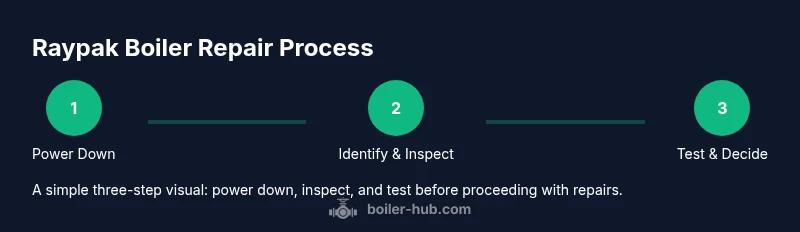
Raypak Boiler Repair: Safe Step-by-Step Guide for Homes
Learn how to diagnose and safely repair Raypak boilers with practical steps, required tools, and safety tips. This homeowner-focused guide from Boiler Hub covers common issues, when to call a pro, and how to protect your system.


This guide helps homeowners and facility managers diagnose and perform safe Raypak boiler repair, emphasizing safety and when to call a pro. You'll learn step-by-step checks, common fault indicators, required tools, and how to avoid dangerous mistakes. We focus on practical, hands-on actions you can perform with basic tools, and we highlight red flags that require professional service.
Safety and Preparation for Raypak Boiler Repair
Safety is the first priority in any Raypak boiler repair. This means cutting power at the breaker, shutting the gas supply if safe, and confirming there are no gas leaks or exposed wiring. Ventilate the area and wear protective gloves, eye protection, and non-slip footwear. If you detect a gas smell, evacuate and call emergency services. According to Boiler Hub, a calm, safety-first approach reduces risk and sets the stage for a successful repair. Keep a CO detector in the room and avoid working alone. Document the surroundings with photos before you touch anything.
Why it matters: Raypak boiler repair involves both electrical and gas components; a lapse can cause injury or property damage. Follow manufacturer manuals and local codes for ventilation and safe labor practices. This section lays the groundwork for a methodical diagnosis, not a rush-to-fix approach. Boiler Hub’s guidance emphasizes safety as the cornerstone of any repair project.
Raypak Boilers: How They Work and What Fails
Raypak boilers come in gas-fired and electric variants, with core parts like the burner, heat exchanger, circulator, and control system. Common failure modes include ignition problems, sensor or flame-sensing issues, circulating pump failures, and seal or gasket wear leading to leaks. In many cases, airflow and venting problems trigger safety shutoffs or poor combustion. Understanding the basic architecture helps you distinguish a simple maintenance task from a larger repair. Boiler Hub insights remind us that regular inspection reduces unexpected outages and extends system life, especially for older Raypak units.
Diagnosing Common Problems Without a Technician
Before you call for service, observe the boiler’s behavior and listen for unusual sounds. Symptoms such as no heat, frequent cycling, odd smells, or water dripping warrant attention. Compare readings to those listed in the manual and note any error codes or blinking indicator lights. While many fixes require professional certification, a structured, documented check can save time and money when you do hire a technician. Boiler Hub’s approach favors documented diagnostics and consistent safety checks as part of any Raypak boiler repair plan.
The Diagnostic Toolkit Preview (What You Might Need)
A good diagnostic toolkit reduces guesswork. You’ll want a multimeter or voltmeter, a screwdriver set, adjustable wrench, and leak-detection solution. A digital manometer or pressure gauge helps verify system pressure, while a camera or smartphone keeps a visual log of parts before you disassemble anything. Always use PPE: gloves, eye protection, and hearing protection if noise is high. Having these tools on hand speeds a safe, effective Raypak boiler repair when you delegate tasks to a licensed professional for gas-related work.
Step 1: Power Down and Secure the System
First, cut power to the boiler at the service panel or wall switch and verify with a non-contact tester that no voltage remains. Close the gas shutoff valve if it’s accessible and you can do so safely. This step prevents electrical shock and accidental ignition while you inspect wiring and controls. Don’t rush to open the cabinet; take a moment to document the current wiring and label any disconnected cables. WHY: Interacting with live components is one of the top causes of injuries during Raypak boiler repair. A careful grounding and lockout approach keeps everyone safe.
Step 2: Identify Model and Gather Documentation
Locate the Raypak model and serial number plate on the boiler or near the front panel. Photograph the plate and collect the user manual, parts catalogs, and any warranty information. This data ensures you buy compatible replacement parts and follow the correct adjustment procedures. If you see worn gaskets or corroded connectors, note their locations for the technician. Keeping a simple parts list helps you avoid cross-compatibility mistakes and speeds up the repair process.
Step 3: Inspect Electrical and Ignition Components
With power confirmed off, visually inspect wiring for loosening, chafing, or burnt insulation. Check the ignition system and flame sensor for buildup, misalignment, or corrosion. Clean sensor points with a soft brush if advised in the manual, and ensure the electrode gaps are within spec. Loose or dirty ignition parts are common causes of intermittent faults. If you must handle high-voltage components, avoid contact with metal surfaces and follow the manufacturer’s disassembly sequence to prevent damage.
Step 4: Check Gas Supply, Regulator, and Combustion
Gas supply issues can cause delayed ignition or no-heat conditions. If you’re equipped to safely do so, inspect the gas supply line for kinks or leaks using a soapy-water solution (bubble test). Do not attempt to adjust gas pressure without proper certification. If your Raypak unit is venting improperly or there is a persistent strong odor of gas, evacuate and contact the gas utility or a licensed technician. This step balances safety with practical troubleshooting for ignition and combustion problems.
Step 5: Inspect Venting, Condensate Drain, and Pressure Safety
Check the venting system for blockages, corrosion, or improper slope that could cause backdraft. Ensure condensate drainage is clear and unobstructed. Verify that the boiler’s pressure relief valve and aquastat controls are functioning according to the manual. If you observe dampness around joints or signs of corrosion, record them for the service visit. Proper venting and drainage prevent harmful backflow and protect equipment longevity.
Step 6: Test Run, Observe, and Plan Next Steps
Reconnect power and perform a controlled test run if it’s safe to do so. Listen for burner ignition, ensure consistent flame color, and monitor for leaks or abnormal noises. Record readings for pressure, temperature, and cycle times. If the unit passes a basic test but reverts to fault conditions, prepare a targeted service plan and parts list for a professional Raypak boiler repair. Document everything for your technician to optimize the visit.
When to Repair vs Replace and How to Choose Parts
Not all issues justify a repair, especially on older or heavily corroded units. If recurrent failures occur after reasonable maintenance, consider a replacement or component upgrade. When choosing parts, prioritize manufacturer-approved gaskets, sensors, and seals to preserve efficiency and warranty coverage. If you’re unsure about a part’s compatibility, consult the Raypak catalog or a qualified technician. A careful parts strategy can extend boiler life while keeping energy use reasonable.
Authoritative Sources and Boiler Hub’s Final View
For safety and reliability guidance, consult authoritative sources and professional standards. This article integrates practical steps with standards from government and academic resources to help you perform Raypak boiler repair safely. As Boiler Hub notes, combining methodical checks with documented data improves outcomes. For definitive safety practices, always reference official manuals and trusted references.
Boiler Hub Verdict: Practical Next Steps and Support
The Boiler Hub team recommends a cautious, safety-first approach to Raypak boiler repair. If you encounter gas-related issues, uncertain ignition, or persistent leaks, call a licensed technician to complete the repair. For homeowners, prioritize regular maintenance and keep records of all inspections and service. Boiler Hub’s final guidance is to treat professional service as a smart investment in safety and long-term reliability.
Tools & Materials
- Multimeter or voltmeter(Verify circuits are de-energized before touching components)
- Screwdriver set (Phillips #2, flathead)(For panel removal and fastener access)
- Adjustable wrench(Gas fittings and pipe work)
- Leak detector solution (soap and water)(Identify leaks around valve connections)
- Digital manometer or pressure gauge(Check system pressure and venting adequacy)
- Torque wrench (if applicable)(Precise reassembly of gas components)
- Replacement gaskets and seals(Match Raypak part numbers for compatibility)
- Non-conductive gloves and eye protection(Personal safety during inspection)
- Camera or smartphone(Document wiring and part placement before disassembly)
Steps
Estimated time: 60-90 minutes
- 1
Power down and secure the system
Cut power at the panel and verify no voltage remains. If safe, close the gas shutoff and document the initial state. Rationale: prevents electrical shock and ignition during inspection.
Tip: Use a non-contact tester to confirm zero voltage before touching any wires. - 2
Identify model and gather documentation
Find the Raypak model and serial number, photograph the data plate, and collect the manual and any warranty info. Rationale: ensures correct parts and procedures.
Tip: Record exact part numbers to avoid incorrect replacements. - 3
Inspect electrical and ignition components
Check for loose wires, corrosion, or damaged insulation. Inspect ignition electrodes and flame sensor for buildup or misalignment. Rationale: ignition problems are a frequent cause of failure.
Tip: Do not touch exposed electrodes with bare hands; oils can affect sensing. - 4
Check gas supply and combustion
If you are trained and it's safe, inspect the gas valve, regulator, and lines for leaks. Do not attempt gas work beyond your license. Rationale: improper gas handling is dangerous.
Tip: A soapy water bubble test can help locate minor leaks. - 5
Inspect venting, condensate drain, and safety interlocks
Ensure vent pipes are clear, slopes correct, and condensate drain is unobstructed. Check safety interlocks for proper operation. Rationale: backdrafts and overflow degrade efficiency and safety.
Tip: Look for soot or corrosion around joints which indicates improper combustion. - 6
Test run and plan next steps
Power on and run the boiler under controlled conditions. Watch for ignition reliability, flame color, pressure, and leaks. Rationale: confirms whether further service is needed or a part replacement suffices.
Tip: Log readings and any codes to share with a technician.
Questions & Answers
What is Raypak boiler repair?
Raypak boiler repair involves diagnosing and fixing faults in Raypak boilers, including ignition, pressure, leaks, and control issues. It should be performed by trained technicians who understand specific Raypak components.
Raypak boiler repair means diagnosing ignition, pressure, leaks, and control issues. For gas ignition or high-voltage work, hire a trained technician.
Is it safe to repair a Raypak boiler yourself?
Only do basic non-gas maintenance if you are confident and follow safety guidelines. Many Raypak repairs involve gas, electrical, or combustion concerns that require licensed professionals.
Basic safety checks are okay if you know what you’re doing, but for gas and ignition work, a licensed pro should handle it.
How do I know when to replace a Raypak boiler?
If failures recur after maintenance, or the unit is heavily corroded and inefficient, replacement may be more cost-effective than repair. Consider age, fuel efficiency, and warranty status.
If the boiler keeps failing after service and is old, replacement might be the better option. Look at efficiency and warranty as well.
What maintenance helps prevent Raypak boiler failure?
Regular inspection, clean flame sensor and burner, check venting and condensate lines, replace worn gaskets, and service ignition components as recommended by Raypak.
Regular checks, cleaning sensors, and keeping venting clear go a long way in preventing failures.
Can Raypak boilers be repaired under warranty?
Warranty terms vary; consult the warranty documentation and contact the manufacturer or installer. Some repairs may be covered if performed by qualified technicians.
Warranty coverage depends on terms and who performed the work. Check your docs and contact Raypak support if unsure.
Who should I hire for Raypak boiler repair?
Hire a licensed HVAC technician with Raypak experience. Ensure they follow local codes and can safely handle gas, electricity, and venting issues.
Choose a licensed HVAC tech with Raypak experience to ensure safe, code-compliant repair.
Watch Video
Key Points
- Power down and gas off before any inspection.
- Document model info and parts for compatibility.
- Gas-related work requires licensed professionals.
- Keep logs of codes, readings, and observations.
- Regular maintenance reduces unexpected outages.