How to Fix Boiler Leaking Water: Step-by-Step Guide
Learn how to fix boiler leaking water with a practical, safety-first approach. Diagnose leaks, contain spills, perform basic fixes, and know when to call a pro. Boiler Hub guidance for homeowners and facility managers.


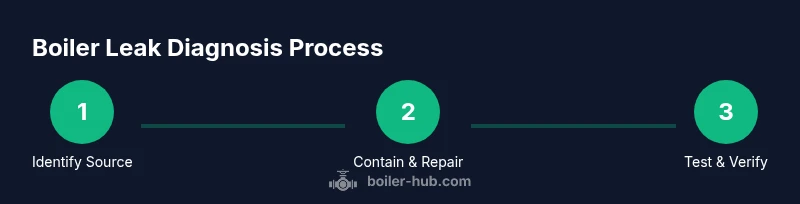
You can learn how to fix boiler leaking water by diagnosing the leak source, safely stopping the flow, and choosing the right repair or replacement option. Start with safety steps (turn off power and fuel, allow cooling), inspect the pressure relief valve, seals, and expansion tank, and decide whether a DIY fix is appropriate or you should hire a professional.
Why boiler leaks happen and immediate safety steps
Leaks in a boiler are not just an inconvenience; they can indicate a failing component that, if ignored, could escalate into serious damage or system failure. The first priority is safety. If you smell gas, hear hissing, or notice steam and unknown noises, stop work and evacuate occupants. In most cases, shutting off the boiler (and the gas supply if you can do so safely) reduces risk and prevents further water damage. According to Boiler Hub, most domestic boiler leaks stem from aging seals, failing valves, or corrosion at joints. Once you cut power and isolate the unit, you can begin a careful assessment without rushing to dramatic measures.
- Never work on live electrical connections.
- Avoid burning yourself on hot surfaces or pressurized lines.
- Wear protective gloves and eye protection when handling parts that may contain hot water or steam.
Common sources of boiler leaks (and how to identify)
Leaks originate from several likely places. The most common are the pressure relief valve (diverts excess pressure), flanges and joints, gasket or seal failures, expansion tank connections, and pump seals. External drops near the condensate line may indicate a broken pipe or loose fitting. A slow seep at the heat exchanger could signal corrosion, while a drip from the supply valve points to valve malfunction. Look for wet spots on the floor, mineral deposits, or damp insulation. Identifying the source helps you decide whether a DIY fix is feasible or a professional repair is required.
Tools and materials you’ll need before you start
Preparing ahead reduces the risk of delays. Gather items you’ll likely use: adjustable wrenches, socket set, screwdrivers (flat and Phillips), a flashlight, a bucket, towels, absorbent pads, replacement gaskets or seals compatible with your boiler model, PTFE thread tape, pipe joint compound (where appropriate), a small thermometer, a clean rag, and safety gloves. Having a pressure gauge or a temporary shutoff valve may be useful for field testing. If you’re unsure of compatibility, check your boiler’s manual or contact the manufacturer.
Step-by-step diagnosis: locating the exact leak source
- Power down the boiler and allow it to cool completely so you can handle components safely. 2) Visually inspect accessible joints, pipe connections, and the expansion tank. 3) Gently run a pressure test if you have the right equipment to see where pressure drops occur. 4) Check the pressure relief valve for signs of corrosion or leakage. 5) Document the exact location and any accompanying sounds or odors for reference when you seek help. 6) Note whether the leak is continuous or intermittent, as that informs the repair approach. 7) If you find a clearly damaged part, mark it for replacement and proceed to a safe repair approach.
Step-by-step temporary containment and safety steps
Before you attempt any fix, contain the leak to protect your home. Place towels or absorbent pads around the area, use a bucket for drips, and place a temporary plastic sheath or tarp to minimize water damage. If the leak is under pressure, avoid forcing fittings; instead, consider isolating the affected circuit with a shutoff valve if you know its location. It’s prudent to turn off the boiler and the electrical supply to prevent shock or arcing, especially when you’re near exposed wiring. If you’re uncertain about how to safely isolate a circuit, contact a qualified professional.
Fix options by leak source: what to repair or replace
- Pressure relief valve leaks: The valve may be worn or mis-seated. Replacing the valve is often the correct fix. Be mindful of the system pressure before removing the old valve.
- Gasket or seal failures: Replace gaskets around the pump, flanges, and joints. Apply new gaskets with the correct torque specification.
- Expansion tank issues: If the tank is waterlogged or the connection is corroded, replace or recharge the tank and inspect vent lines.
- Pump seal leaks: Worn pump seals can allow water to escape. Replacing the pump seal or the entire pump may be necessary.
- Heat exchanger leaks: A leaking heat exchanger is typically a sign of serious wear and often requires professional replacement.
Keep in mind that some leaks are a symptom of a more complex problem (low boiler pressure, repeated overheating, or corroded components). If you’re not confident performing these repairs safely, stop and call a licensed technician.
When to DIY vs call a professional (risk thresholds)
DIY fixes are feasible for minor leaks around simple seals or gaskets, provided you have the right parts and a basic toolset. If the leak involves the pressure relief valve, heat exchanger, or a corroded joint, or if your boiler is still under warranty, professional service is recommended. Persistent leaks after a DIY attempt, signs of gas smell, or carbon monoxide risk demand urgent professional intervention.
Preventive maintenance to reduce future leaks
Proactive maintenance reduces leak likelihood. Schedule annual inspections, replace worn gaskets and seals before they fail, test the pressure relief valve annually, and inspect expansion tanks for signs of wear. Maintain a clean boiler area to spot leaks quickly. Monitor for rust, scale buildup, or damp insulation, and address these issues promptly. Boiler Hub emphasizes routine checks as a cornerstone of long-term reliability.
Cost considerations and typical ranges (what to expect)
Repair costs vary by leak source and boiler type. Minor gasket replacements may cost less, while replacing expansion tanks or a faulty pressure relief valve is more expensive. If you hire a professional, factor in service call fees and parts. In many cases, components cost a few dozen to a few hundred dollars, with labor potentially adding to the total. Always obtain a written estimate before work begins. Boiler Hub guidance suggests comparing quotes and ensuring the technician tests the system after repair to confirm no further leaks.
The Boiler Hub safety checklist and final steps
After addressing a leak, perform a safety and functionality check: verify there are no drips, confirm the pressure gauge reads within normal range, ensure the system cycles correctly, and inspect for hot surfaces or discolored insulation. Keep a log of maintenance actions and any part replacements for future reference. If you notice recurring leaks or unusual boiler behavior, contact a professional promptly to prevent escalation.
Tools & Materials
- Adjustable wrench(Select sizes that fit your boiler fittings and pipe unions.)
- Screwdrivers (flat and Phillips)(Have both types available for access panels and gasket replacements.)
- Flashlight(Shine light on tight spaces and valve areas.)
- Bucket and towels(Contain water and protect floors.)
- Replacement gaskets/seals(Use compatible sizes for your model.)
- PTFE tape (Teflon)(For threaded connections if needed.)
- Pipe joint compound(Only if recommended by boiler manufacturer.)
- Safety gloves and eye protection(Protect hands from sharp edges and hot surfaces.)
- Leak containment tray or drain hose(Useful for continuous drips.)
- Pressure gauge (optional)(Helpful for testing system pressure.)
Steps
Estimated time: 30-120 minutes
- 1
Power down and cool the boiler
Begin by turning off the boiler and cutting power to the unit to prevent electrical shock. If you have a gas boiler, close the gas supply valve only if you can do so safely. Allow the system to cool completely before touching components.
Tip: Cooling reduces burn risk and prevents steam burns when handling hot pipes. - 2
Isolate the leak area
Identify the area where water is escaping. Place towels around the leak and position a bucket to catch drips. If your system has isolation valves, shut the affected circuit to limit water flow.
Tip: Shutting off flow early minimizes water damage and makes repairs manageable. - 3
Inspect common leak sources
Check the pressure relief valve, joints, gaskets, expansion tank connections, and pump seals for signs of moisture or corrosion. Document the exact location before removing parts.
Tip: Take photos of each component before disassembly for reassembly accuracy. - 4
Prepare parts and safe fixes
If you’ve identified a replaceable part (valve, gasket, expansion tank), gather the correct size and type. Refit with new seals and apply torque according to boiler specs.
Tip: Over-tightening can damage threads; use a torque wrench if available. - 5
Apply a temporary containment strategy
If you can’t complete the fix immediately, cap the leak with an appropriate sealant or replace a faulty gasket temporarily. Keep monitoring the area for changes.
Tip: Temporary fixes prevent escalation while you source parts. - 6
Perform the fix or replacement
Install the new part or reseal the joint. Reconnect any hoses and fittings, ensuring all connections are snug but not over-tightened.
Tip: Double-check that components are aligned and seating correctly. - 7
Pressure test and verify
Restore power or gas supply and monitor the system. Check for additional leaks and ensure the pressure gauge reads normal for your boiler model.
Tip: A gradual pressurization test helps catch hidden leaks. - 8
Clean up and plan follow-up
Wipe surfaces, re-secure access panels, and note part numbers and service dates. Schedule a professional inspection if leaks recur or if you’re unsure about any step.
Tip: Keep a maintenance log for future reference.
Questions & Answers
What should I do first if I notice a boiler leak?
Shut off power to the boiler, isolate the leak area, and contain water with towels. Check for gas smell and CO risk; call emergency services if detected. Then assess sources like the pressure relief valve or gaskets.
First, turn off power, secure the leak area, and check for gas smells before you proceed with any repair.
Can I fix a leaking boiler myself?
Simple gasket or seal replacements are possible for homeowners with basic tools and the correct parts. More complex issues like a heat exchanger or pressure relief valve replacement should be done by a professional.
DIY is possible for basic seals, but for major components, hire a pro.
Is a leaking boiler dangerous?
Yes, leaks can lead to electrical shock, water damage, and in gas boilers, fire or carbon monoxide risks. Treat any leak seriously and address safety first.
Leaks can be dangerous, especially with gas and CO risk; prioritize safety and consult a pro if unsure.
How long does a boiler leak repair take?
Duration depends on leak source and parts availability. A small gasket repair may take 1-2 hours; major component replacement can take several hours to a day.
Repairs can range from a couple of hours to a full day, depending on parts and access.
What parts commonly fail on leaking boilers?
Common failing parts include pressure relief valves, gaskets around joints, expansion tank seals, and pump seals. Corrosion at joints is also a frequent cause.
Valves and gaskets most often fail when leaks occur.
When should I replace the boiler instead of repairing?
If the boiler is old, repeatedly leaks, or has extensive corrosion, replacement may be more cost-effective and safer than ongoing repairs.
If repairs are frequent or the boiler is aging, replacement is often the better option.
Key Points
- Identify leak source before repairing.
- Safety first: power, gas, and hot surfaces pose risks.
- Use correct parts and follow torque specs for seals.
- Notify a professional if leaks persist or you’re unsure.
- Document maintenance for future boiler reliability.