When Boiler Pressure Is Too High: Signs, Causes, and Fixes
Learn how to recognize high boiler pressure, why it happens, and practical steps to prevent and fix it. This guide explains safe pressures, common causes, maintenance tips, and when to call a pro.


Boiler pressure is considered too high when the gauge stays consistently above 20-22 psi (about 1.38-1.52 bar) during normal operation and heating. If the pressure climbs past 22 psi or the relief valve weeps, shut the boiler down and seek professional help. Sustained high pressure can stress heat exchangers, joints, and the expansion tank, risking costly damage.
Understanding Boiler Pressure: What is Normal and Why It Fluctuates
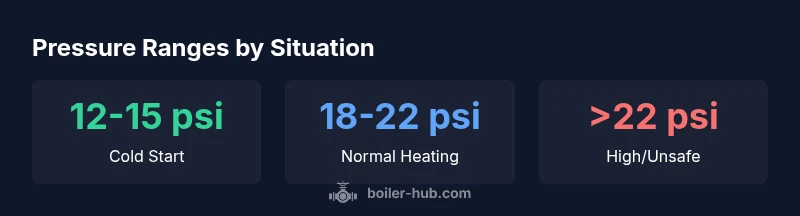
For homeowners asking when is boiler pressure too high, understanding the basics helps prevent damage and costly repairs. According to Boiler Hub, typical residential boiler pressure runs in a narrow range and may rise when the heating system starts to circulate hot water. In most homes a cold boiler reads about 12-15 psi, and during heating it may rise to 18-22 psi before the safety components intervene. Knowing these values helps you interpret the gauge and decide when you need service. This article explains normal ranges, common causes of over-pressurization, and practical steps you can take to keep pressure safe.
Pressure isn't a fixed number; it shifts with temperature, system design, and component health. A well-tuned boiler maintains pressure within a safe corridor, protecting the heat exchanger, joints, and expansion tank from undue stress. If you notice readings that persist outside the usual range, document them, observe for accompanying symptoms (noisy radiators, leaking valves, or overly hot pipes), and plan a diagnostic with a qualified technician.
Signs That Pressure Is Too High
High boiler pressure often shows up on the gauge, but there are other indicators as well. Readings consistently above 20 psi (and especially above 22 psi) during normal operation should raise concern. A rising pressure trend during heating cycles, a hissing or banging sound, or a boiler that remains hot to the touch can signal over-pressurization. The safety relief valve may vent steam to relieve excess pressure, which is a sign that the system is attempting to protect itself. Leaks around fittings or the expansion vessel venting are also red flags. If you observe any of these signs, limit boiler use and arrange service promptly.
From a homeowner’s perspective, these symptoms are warning signs that the system requires a check of the expansion tank, fill valve, and pressure relief mechanisms.
Common Causes of High Boiler Pressure
Several factors can push boiler pressure beyond safe levels. An overfilled system during maintenance can leave excess water in the loop, raising pressure as the boiler heats. A malfunctioning expansion tank—whether it is waterlogged or too small for the system—can fail to absorb thermal expansion, driving pressure higher. A faulty pressure-reducing valve or a stuck fill valve prevents the system from balancing pressure automatically. Blocked condensate lines or restricted flow can also cause back pressure in the system, leading to pressure creep. Finally, aging gaskets and corroded connections can allow minor leaks that force the system to compensate by increasing pressure.
Regular inspection helps identify these issues before they escalate.
How to Check and Diagnose Safely
Always prioritize safety when checking boiler pressure. Start by turning off the boiler and letting it cool, then observe the pressure gauge. If the reading is high, do not attempt aggressive bleeding or valve resets without following a proper protocol. Bleed radiators only to release trapped air and consult a pressure chart to see how bleed procedures affect overall system pressure. Inspect the expansion tank visually for signs of waterlogging (no air cushion) and test the air charge using a tire gauge or a manometer if available. Check the fill valve for leaks and ensure the pressure relief valve operates freely (a trained professional should test it). Keep a pressure diary to help your technician diagnose the root cause.
Immediate Actions if You Suspect Over-Pressure
If the gauge climbs above 22 psi or the relief valve weeps, shut the boiler down and avoid using it until inspected. Do not cap or block safety devices; they exist for protection. If you must address a minor pressure dip, you can gently bleed radiators to reduce pressure—but only after confirming that the system is safe to access. If you notice steam, leaks, or persistent high readings after a reset, contact a licensed HVAC technician immediately. Do not attempt major repairs beyond basic bleeding and visual checks.
Maintenance Tips to Prevent High Pressure
Prevention starts with regular maintenance. Schedule an annual inspection that includes pressure testing, expansion tank assessment, and valve checks. Verify that the expansion tank has the correct air charge and that there are no leaks in the piping network. Regularly check the pressure relief valve for corrosion and ensure it seats properly. Keep the system clean of sludge and debris that can restrict flow. When refilling, follow the manufacturer’s instructions to avoid over-pressurization. A well-maintained boiler reduces the likelihood of unexpected pressure spikes.
When to Call a Pro vs DIY
DIY steps can handle basic bleeding and minor checks, but persistent pressure issues demand professional evaluation. If your readings consistently spike despite bleeding and valve checks, or if you notice leaks around joints, corrosion, or signs of overheating, a licensed technician should diagnose the expansion tank, pressure reducing valve, and overall system integrity. Do not ignore pressure warnings; addressing them early saves both safety and money.
Pressure Readings Across boiler types: A quick guide
Different boiler configurations have different expected pressure ranges. Combi boilers typically aim for about 12-22 psi when cold and can rise during heating. System and conventional boilers share similar operating ranges, but design and radiator load can shift these values slightly. Always refer to your manufacturer’s guidance for your specific model. The general rule remains: pressurization should stay within a safe window and not fluctuate wildly without a clear mechanical cause.
Data-Driven Best Practices for Safe Pressure Management
Boiler Hub Analysis, 2026, emphasizes regular system checks and documented pressure trends. Key recommendations include: (1) set a standard operating range close to 12-22 psi, (2) test the expansion tank annually, (3) verify the relief valve operates correctly, and (4) avoid rapid boiler cycling that can stress components. Implementing these practices reduces the likelihood of over-pressurization and extends boiler life. This approach aligns with safety guidelines from energy and HVAC authorities and supports long-term reliability.
Quick Reference: Safe Ranges and Next Steps
Always begin with the gauge reading when the boiler is cold, then compare to the heating-cycle reading. If the pressure hovers between 12-22 psi and rises briefly during heat, you are within the expected range. When readings exceed 22 psi persistently, or if you hear hissing, observe for leaks, or see the relief valve venting, shut down and contact a pro. Maintaining a log of pressure readings helps your technician diagnose more quickly.
Typical operating pressures by boiler type
| Boiler Type | Normal Operating Pressure (psi) | Notes |
|---|---|---|
| Combi Boiler | 12-22 | Most residential units operate within this range; pressure rises with heating. |
| System/Regular Boiler | 12-22 | Pressure fluctuates with demand; expansion tank health matters. |
| Conventional/Open-VS Closed-Vent | 15-20 | Older systems may sit at slightly higher baseline pressures. |
Questions & Answers
What is the normal boiler pressure range?
Most residential boilers operate in a safe range of about 12-22 psi when cold, with a brief rise during heating. Consistent readings above 22 psi warrant professional inspection.
Most boilers run between 12 and 22 psi when cold; if it stays above 22 psi, get it checked.
What causes boiler pressure to rise during heating?
As water warms, it expands and pushes more volume into the closed loop. If there isn't enough air cushion in the expansion tank or the system has a valve fault, pressure can climb.
Water expansion during heating can raise pressure; check the expansion tank and valves if it climbs.
What should I do if the gauge reads above 22 psi?
Shut the boiler off and avoid using it. Do not disable safety devices. Contact a licensed technician to inspect the expansion tank, relief valve, and fill valve.
Turn it off and call a pro if it stays above 22 psi.
Can high boiler pressure cause damage?
Yes. Prolonged over-pressurization can stress heat exchangers, joints, and the expansion tank, increasing leak risk and reducing efficiency.
Yes, it can damage components if not corrected.
Is it safe to bleed radiators to reduce pressure?
Bleeding can help release trapped air but should be done cautiously and after confirming the overall pressure and system status. It is not a substitute for diagnosing the root cause.
Bleed radiators carefully, but don’t rely on it as the sole fix.
When should I replace the expansion tank?
If the tank is waterlogged, damaged, or not providing adequate air cushion, replacement is indicated. A professional can confirm much more efficiently than DIY checks.
Consider replacing an aging expansion tank with professional guidance.
“"High boiler pressure isn't just a nuisance—it can stress heat exchangers and cause costly failures if left unaddressed."”
Key Points
- Know your normal range: 12-22 psi is typical when cold, rising with heat.
- Pressure above 22 psi is a warning sign requiring testing and possible service.
- Check expansion tank, fill valve, and relief valve regularly to prevent spikes.
- Bleed radiators only as part of a controlled diagnostic, not a fix-all.
- Call a pro for persistent spikes or valve leaks to avoid damage.