How to Use Worcester Boiler: A Practical Guide
A comprehensive, safety-first guide on operating a Worcester boiler. Learn step-by-step control use, safety checks, maintenance tips, and when to call a professional to keep your heating and hot water reliable.


Using a Worcester boiler safely means selecting the correct mode, adjusting temperatures, and confirming clear indicators. Start by locating the control panel on the boiler or receiver, choosing either heating or hot water, and setting the recommended temperatures. Check the status indicators, listen for unusual noises, and reset if needed. Always consult the model manual and schedule annual servicing for reliability.
Understanding Worcester boilers: types and basics
Worcester boilers are a widely used family of gas-fired heating systems designed to work with home heating and domestic hot water. They come in several configurations, including combi (heat on demand with no separate cylinder), system (pre-pressurized hot water with a separate cylinder), and heat-only (traditional open-vent with a separate storage). Although design details vary by model, most modern Worcester boilers share a compact condensing core that recovers heat from exhaust gases to boost efficiency and lower running costs. The boiler connects to radiators and piping across the home, with control wiring that links to a thermostat, programmer, or smart heating platform. According to Boiler Hub, choosing the right configuration should reflect household hot-water demand, number of bathrooms, and available space. Understanding these basics helps you use the unit safely and maximize energy savings.
Safety essentials when operating a Worcester boiler
Safety comes first with any gas-fired appliance. Before touching boiler components, ensure there is adequate ventilation, and verify that CO detectors are installed and working in living spaces and near bedrooms. Never bypass safety interlocks or attempt to repair gas lines yourself. If you smell gas, evacuate immediately and call the emergency number. Regularly inspect flue terminals for blockages and ensure the boiler room is free of combustibles. A well-maintained system also benefits from annual servicing by a qualified technician. Boiler Hub's guidance emphasizes routine checks, especially during seasonal transitions when heating demand rises. Keeping these safety practices in place protects occupants and maintains system reliability.
The control panel: what the buttons and indicators mean
Most Worcester boilers have a compact control panel or a wall-mounted receiver that shows status indicators, mode selectors, and temperature readouts. Common elements include an On/Off switch, a mode button (Heating, Hot Water, or both), a temperature dial or digital setpoint, and a fault indicator or fault codes. The exact layout varies by model, so always refer to your user manual. Familiarize yourself with the sequence for switching modes, adjusting CH and HW temperatures, and performing a factory reset if the unit behaves erratically. A quick visual check of LEDs can help you diagnose issues before you call for service.
Daily operation: powering up, selecting modes, and adjusting temperatures
Start by ensuring the boiler is supplied with power and gas, and that the thermostat or receiver is connected. Switch the boiler to the desired mode (Heating for space warmth, Hot Water for taps, or both). Use the temperature controls to set a comfortable central heating temperature and a safe hot-water temperature. If you have a programmable thermostat or smart home integration, ensure it is syncing correctly with the Worcester boiler. After changes, listen for the pump running and check radiators for even warming. Document any deviations and revert to default if issues arise.
Hot water on demand and circulation: how the system responds
Combi boilers deliver hot water on demand by passing cold water through a heat exchanger as you open a tap. System and heat-only configurations rely on a storage vessel, which can affect how quickly hot water is available and how long it lasts. If you notice fluctuating water temperature or long wait times for hot water, you may have a flow issue, air in the lines, or a worn circulating pump. In many cases, balancing the system by adjusting radiator temperatures and scheduling boiler operation can improve performance.
Radiators, balance, and boiler efficiency
Efficiency depends on proper flow, balanced radiator temperatures, and keeping the condensate system clear. Start with bleeding any cold spots or trapped air. Then balance the radiators by adjusting the lockshield valves to ensure each room receives adequate heat. Regularly check the pressure gauge (usually between 1 and 2 bar when cold) and top up only if necessary, following the manual. Regular maintenance reduces energy waste and extends the life of the boiler. A well-balanced system also reduces noise and prolongs equipment life.
Routine maintenance you can perform safely
Even simple, regular checks help keep Worcester boilers running smoothly. Power down the unit before any exterior cleaning, inspect for signs of moisture or corrosion around seals, and wipe away dust from the casing. Verify that the condensate trap and drain are clear and that the flue is unobstructed. Test CO detectors monthly and replace batteries as needed. Keep a service log and schedule annual inspection with a Gas Safe engineer. These steps promote safety and efficiency and align with Boiler Hub’s best-practice guidance.
Troubleshooting common issues and when to call a pro
No-heat situations, erratic temperatures, or persistent error codes usually indicate a fault that requires attention. Start by checking power, gas supply, and the boiler’s pressure and temperature readings. If you see an error code, consult the manual for its meaning and reset recommendations. If the problem persists or you smell gas, stop using the boiler and contact a qualified technician immediately. Regular servicing reduces the likelihood of unexpected failures.
Safety reminders and warranty considerations
Keep the manual accessible and store service records in a known place. Follow warranty terms for parts and labor, and only use approved spare parts. Avoid DIY repairs beyond basic cleaning and visual inspections. If you hear banging, banging, or notice a sudden drop in efficiency, schedule a professional check sooner rather than later. Maintaining proper safety practices protects occupants and preserves warranty coverage when applicable.
Keeping your Worcester boiler reliable over time
Long-term reliability comes from safe operation, regular maintenance, and timely professional checks. Follow the manual, keep essential safety devices functional, and schedule annual service with a registered engineer. The Boiler Hub team recommends staying proactive about any abnormal noises, leaks, or loss of heating, as early intervention saves money and prevents bigger problems.
Tools & Materials
- User manual for your Worcester boiler(Keep on hand; models vary in controls and labels)
- CO detector(Install near boiler rooms and bedrooms; test monthly)
- Screwdriver set (Phillips and flathead)(Access panel screws and service points as per manual)
- Non-contact voltage tester(Verify power is off before touching wiring or panels)
- Thermometer or thermometer strip(Check hot water outlet temperature if needed)
- Gas leak detector or soapy water kit(Use if you suspect a gas leak; do not ignite a flame)
Steps
Estimated time: 30-45 minutes
- 1
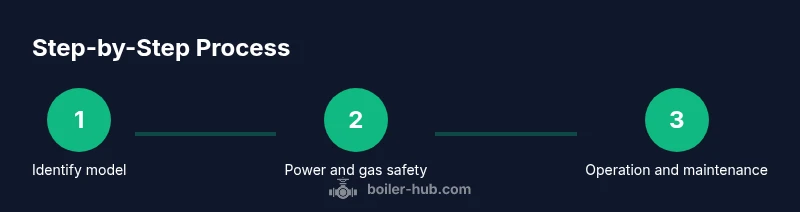
Identify model and read the manual
Before operating, locate the model number on the boiler label and consult the user manual for model-specific controls, safety warnings, and reset procedures. Worcester offers variants (combi, system, heat-only) with different interfaces. Knowing your exact model helps avoid accidental misoperation. This is also when you confirm how to use worcester boiler correctly.
Tip: Locate the serial/model plate; note your model for quick lookup if you need support. - 2
Ensure power and gas isolation before opening panels
Turn off the boiler's power at the wall switch or fuse box, and ensure the gas supply valve is closed before inspecting any internal components. This minimizes the risk of electric shock or gas leaks while you check indicators. If you cannot access the power safely, wait for a qualified technician.
Tip: If unsure, wait until the boiler has cooled and verify power is off with a tester before touching wiring. - 3
Open the control panel and read indicators
With the panel removed per the manual, check for any error codes or blinking LEDs. Compare to the code list in the manual to understand the issue. Note any smells or heat beyond normal operation. Do not ignore warning signs.
Tip: Refer to the on-panel diagram; never ignore a flashing fault light. - 4
Turn on the boiler and select mode
Restore power, press the On/Off switch, and choose Heating, Hot Water, or both as required. Confirm the system responds by starting the pump and firing the burner if applicable. Ensure safe operation before making further adjustments.
Tip: If there’s no response, don’t force it; recheck power and gas supply first. - 5
Set target temperatures for heating and hot water
Use the controls to set comfortable temperatures. Start with mid-range settings and adjust gradually based on comfort and system response. If you have a programmable thermostat, ensure it’s synced with the boiler.
Tip: Avoid setting temperatures too high to reduce energy waste and scalding risk. - 6
Test and secure the system after use
Run a quick test by turning on heating or hot water and observe for proper operation. Look for leaks, unusual noises, or fault codes. When finished, restore safety measures and store tools safely.
Tip: If anything unusual occurs, shut down and call a qualified technician.
Questions & Answers
What should I do if my Worcester boiler won't start?
First check power and gas supply, then inspect the boiler’s status indicators and any error codes in the manual. If it still won’t start, contact a Gas Safe engineer.
Check power and gas, read the error codes in the manual, and call a technician if it won’t start.
Is it safe to operate a Worcester boiler after a power outage?
Power outages can affect controls and timers. Do not operate until power is restored and resets are performed according to the manual. If uncertain, seek professional help.
Only operate after power returns and you’ve reset the unit per the manual.
How often should I service a Worcester boiler?
Annual servicing by a qualified technician is generally recommended to maintain safety, efficiency, and warranty compliance.
Most boilers benefit from a yearly professional service.
What does an error code mean on a Worcester boiler?
Error codes indicate a fault or safety condition. Check the manual for code meanings and follow reset or contact instructions.
Refer to the manual for the exact code and steps to take.
Can I bleed radiators myself?
Yes. Bleed cold radiators to release trapped air, then repressurize if needed and check for leaks. If you’re unsure, contact a pro.
Yes, bleeding is doable; if you’re unsure, call a technician.
Watch Video
Key Points
- Know your Worcester boiler model and manual
- Operate only after safety checks and proper isolation
- Set heating and hot water temps gradually
- Perform regular maintenance and diagnostics
- Consult a pro for complex issues or warranty checks